
The Fibrinolytic Breakfast Bowl: How Soluble Fiber Scrubs Cholesterol From Sticky Blood
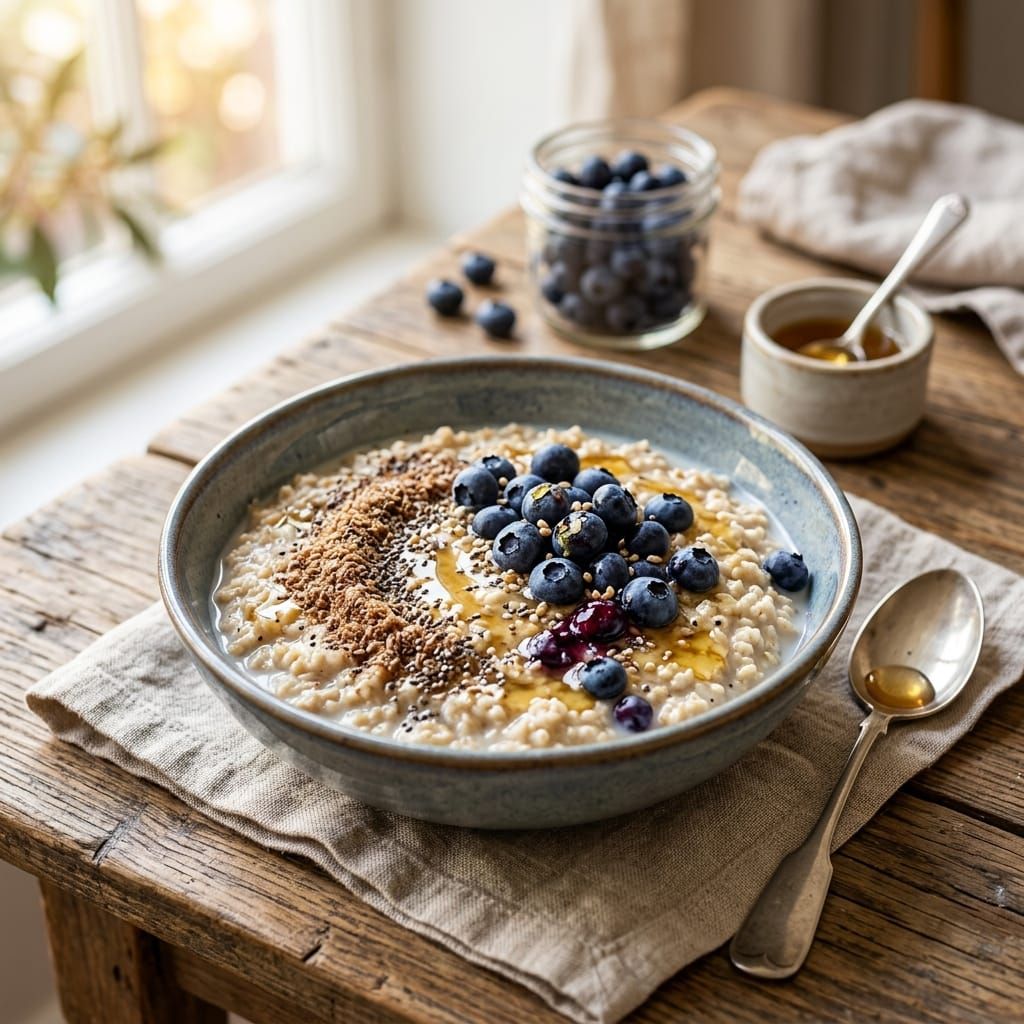
The Fibrinolytic Breakfast Bowl: How Soluble Fiber Scrubs Cholesterol From Sticky Blood
Written by: Lian Liu, MPH, RD, CDCES | Specializing in Cardiac & Menopause Nutrition. Reviewed and updated: June 2026.
Disclosure: Some of the links below are affiliate links. This means if you click through and take action, I may receive a small commission (at no extra cost to you). This helps support the free content on this blog while I only recommend tools and foods I truly believe in for your heart health journey.
Ellen hated oatmeal.
After her cardiologist told her she needed to eat more fiber to manage her cholesterol, she dutifully bought a container of quick oats. Every morning, she choked down a bowl of watery, bland oatmeal, feeling like she was eating wet cardboard as punishment for her genetics.
"I can't do this anymore, Lian," she told me. "If this is what heart-healthy eating is, I'd rather just double my medication."
Ellen had fallen into the restriction trap. She thought eating for her heart meant stripping away flavor and eating boring food.
We didn't need to restrict Ellen's breakfast. We needed to apply the Add Mentality. By upgrading her standard oats with specific, high-viscosity soluble fibers, healthy fats, and rich antioxidants, we turned her boring breakfast into a delicious, creamy power bowl that active biological processes in her gut could use to sweep cholesterol right out of her body.
Within six weeks of switching to this new morning routine, Ellen’s LDL cholesterol dropped by 18 mg/dL—without changing her medication dose.
Here is the science behind the "scrubbing" effect of soluble fiber, and the exact recipe for the Fibrinolytic Breakfast Bowl.
The Dual Biological Cleaners: How Fiber Sweeps Your Blood
Soluble fiber does not just sit in your stomach. It activates two distinct biological pathways that force your body to clear LDL particles from your blood.
Pathway #1: The Bile Acid Trap
Viscous soluble fibers (like the beta-glucans in oats and the mucilage in flax and chia) absorb water in your stomach and form a thick, slippery gel.
Your liver constantly uses cholesterol to manufacture bile acids, which are squirted into your small intestine to help digest fats. Normally, your body is extremely efficient at recycling these bile acids, reabsorbing them in the lower intestine to use again.
But when the soluble fiber gel is present, it physically traps the bile acids. Instead of being recycled, they are swept out of your body.
To replace these lost bile acids, your liver is forced to draw LDL cholesterol out of your bloodstream to make new ones. This directly lowers your circulating LDL-C, as supported by a landmark meta-analysis published in the American Journal of Clinical Nutrition.
Pathway #2: The NPC1L1 Suppression (The "Natural Ezetimibe" Effect)
Once the soluble fiber passes into your colon, it undergoes a transformation. Your gut bacteria ferment the fiber, producing short-chain fatty acids (SCFAs), including propionic acid, which plays a key role in metabolic and cardiovascular health, as reviewed in Current Nutrition Reports.
There, it suppresses the expression of NPC1L1 (Niemann-Pick C1-like 1), the primary transporter protein responsible for absorbing cholesterol in your gut.
By blocking this transporter, propionic acid prevents your body from absorbing cholesterol from both your diet and your own bile.
Interestingly, NPC1L1 is the exact same biological protein targeted by the prescription drug ezetimibe (Zetia). Eating fermentable soluble fiber mimics this pharmaceutical pathway using your gut microbiome.
Why Ground Flaxseed is Essential
A key player in this breakfast bowl is flaxseed. Flaxseed is packed with soluble fiber, lignans (antioxidant plant compounds), and alpha-linolenic acid (ALA), an essential plant-based omega-3 fatty acid.
However, you must use ground flaxseed (sometimes called flaxmeal) rather than whole seeds. A meta-analysis in the American Journal of Clinical Nutrition highlights that flaxseed interventions improve blood lipid profiles. Whole flaxseeds have a hard outer shell that your digestive enzymes cannot break down. If you eat them whole, they pass through your body completely intact, providing zero nutritional benefit. Grinding them breaks the shell, making the soluble fiber and omega-3 fats bioavailable.
The Fibrinolytic Breakfast Bowl Recipe
This recipe is designed to maximize the density of viscous soluble fiber while providing a rich, satisfying texture that keeps you full for hours.
Ingredients:
- 1/2 cup Steel-Cut Oats (Steel-cut oats are less processed than quick oats, offering a lower glycemic index and a firmer texture)
- 2 tbsp Ground Flaxseed (For soluble fiber and plant omega-3s)
- 1 tbsp Chia Seeds (For gel-forming mucilage)
- 1/2 cup Wild Blueberries (Rich in anthocyanins to soothe vascular inflammation)
- 1 tbsp Pure Maple Syrup or Raw Honey (Optional, for taste)
- 1 cup Soy Milk or Almond Milk (Unsweetened)
- 1 scoop Metamucil Sugar-Free Psyllium (Optional, mixed in for an extra fiber boost)
Instructions:
- Cook the Oats: Cook the steel-cut oats in your unsweetened plant milk according to package instructions.
- Add the Gels: Stir in the ground flaxseed and chia seeds immediately after removing the oats from the heat. Let it sit for 3 minutes to allow the seeds to absorb liquid and form their cholesterol-binding gels.
- Top and Serve: Top with wild blueberries, walnuts, and a light drizzle of maple syrup if desired.
Kitchen Tools for High-Fiber Prepping
To blend smoothies or prepare large batches of fiber-rich oat bowls, having a reliable blender is key. To help you choose the right tool for your kitchen setup, here is a comparison of two popular options:
| Blender | Price Tier | Motor Power | Cardiac Benefit | Ease of Cleanup |
|---|---|---|---|---|
| Vitamix 5200 Blender | Premium | 2.0 Peak HP | Pulverizes tough flaxseeds and chia for maximum nutrient absorption | 9/10 (Self-cleans with warm water and soap) |
| Cuisinart Smart Stick Blender | Budget | 300 Watts | Great for quick single-serving smoothies and savory sauces | 8/10 (Detachable blending shaft is dishwasher safe) |
If you are looking to fully invest in a high-powered setup that makes blending fibrous ingredients effortless, the Vitamix 5200 Blender is an excellent premium choice. If you need a reliable, budget-friendly option for single-serving smoothies and quick sauces, the Cuisinart Smart Stick Blender provides solid performance.
Your Action Step: The Fiber Step-Up
Do not try to go from 10 grams of fiber to 40 grams overnight. Doing so will cause gas, bloating, and digestive discomfort.
- Step-Up Strategy: Add 1 tablespoon of ground flaxseed to your current breakfast this week.
- Hydrate: Drink an extra glass of water with your meal to help the soluble fiber form its gel.
- Next Week: Step up to the full Fibrinolytic Breakfast Bowl.
By gradually building your fiber foundation, you are training your microbiome to sweep cholesterol away naturally.
For the complete guide to anti-inflammatory nutrition and rebuilding your heart-healthy pantry, pick up your copy of The Cardiac Comeback.
Stay Ahead of Your Heart Health
Want to stay up-to-date with current science-backed nutrition tips to protect your cardiovascular future?
- Subscribe to the Newsletter: Get practical, clinical-strength tips on diet, labs, and lifestyle adjustments sent straight to your inbox.
- Get the Master Course: Secure immediate access to the Heart Disease Risk Reversal Master Course and start reversing your risk today.
👉 Join the Newsletter & Master Course here
Enjoy your breakfast.
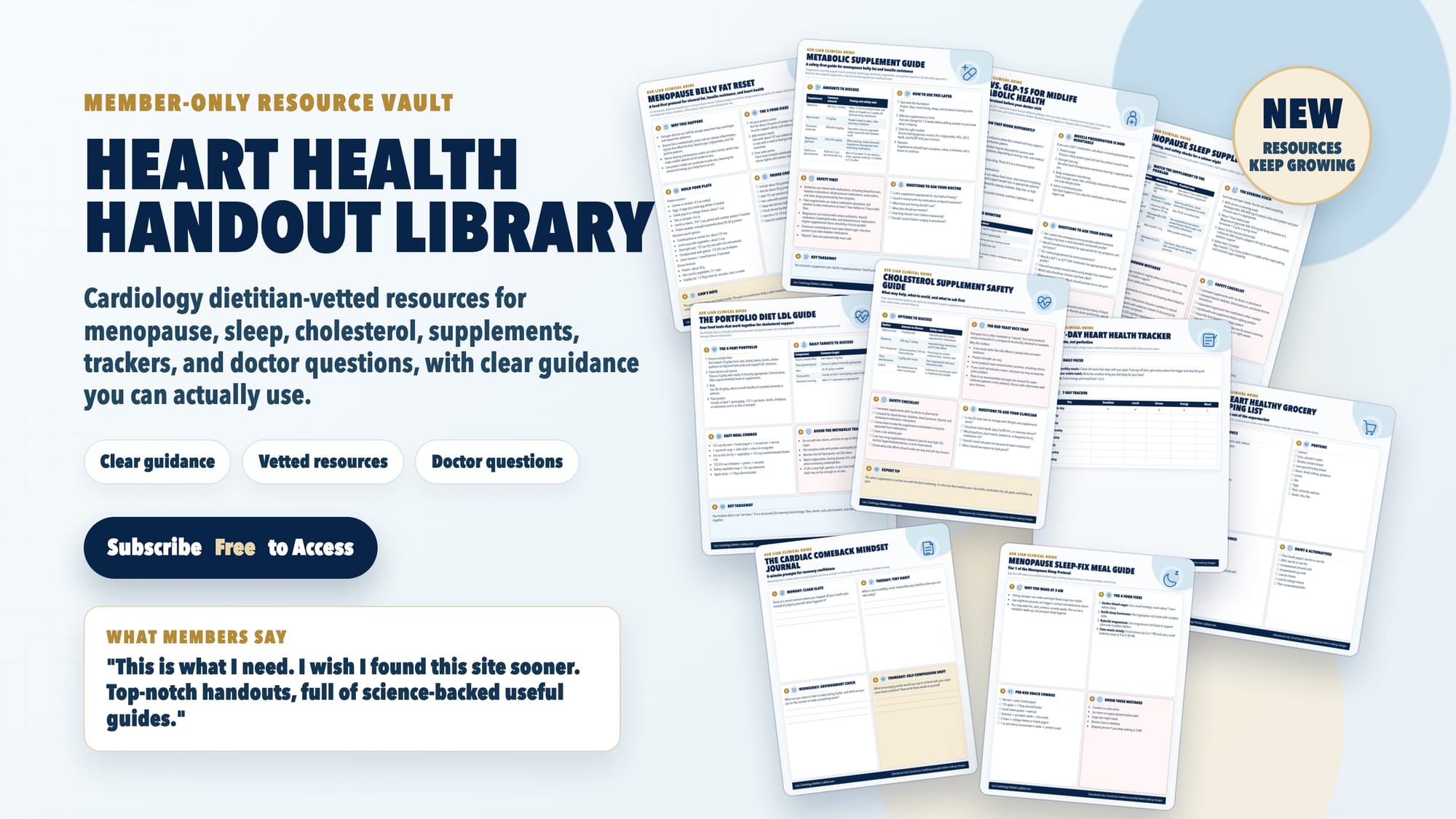
Download Vetted Clinical Handouts & Trackers
Get instant access to a growing library of evidence-based guides, food protocols, and symptom logs vetted by a cardiology dietitian. Access is completely free—simply subscribe to view.
Access Handout Library


Member discussion