Low Sodium Hummus: Cardiac Recipe and Store-Bought Options
Written by: Lian Liu, MPH, RD, CDCES | Specializing in Cardiac & Menopause Nutrition. Reviewed and updated: June, 2026.
Key Takeaways
- Legumes like chickpeas are a rich source of soluble fiber and plant sterols, which actively help lower your LDL cholesterol levels (optimal range is generally under 100 mg/dL).
- Always rinse regular canned chickpeas thoroughly under water before making hummus, as this simple action washes away a significant amount of the hidden sodium.
- Be cautious with commercially prepared or restaurant hummus, which often hides excessive salt, and pair your dip with fresh vegetables rather than salty pita chips.
I frequently hear from my patients that one of the hardest parts of a cardiac recovery is finding snacks that feel normal. You might find yourself staring down the snack aisle, craving the creamy comfort of hummus but worrying that the hidden salt will spike your blood pressure. The good news is that low sodium hummus is not just possible—it is one of the most powerful foods you can add to your heart-healthy routine. Instead of focusing on what you have to restrict, let's talk about how to make hummus a delicious, protective part of your day.
Why Low Sodium Hummus is Perfect for Your Heart
A quick answer: Hummus provides an ideal blend of plant protein, soluble fiber, and cardioprotective healthy fats, directly aligning with the American Heart Association (AHA) recommendations to consume more legumes and seeds to support healthy blood vessels.
When you look at the core ingredients of a classic hummus—chickpeas, tahini, and extra-virgin olive oil—you are basically looking at an all-star team for cardiovascular health. The AHA strongly recommends getting four to five servings of legumes, nuts, and seeds every week.
Chickpeas are an incredible source of soluble fiber and plant sterols. These components work together in your digestive tract to help pull cholesterol out of your bloodstream. Meanwhile, the olive oil and sesame paste (tahini) provide cardioprotective monounsaturated fats. These healthy fats are exactly what you want to add to your diet to support healthy blood vessels and reduce systemic inflammation.
The Hidden Salt Problem in Store-Bought Hummus
A quick answer: Commercially prepared hummus can hide up to 200-300 mg of sodium in just two tiny tablespoons. When your goal is keeping your daily sodium under 1,500 to 2,300 mg, those small spoonfuls add up fast.
When you are looking for a store-bought low sodium hummus, the nutrition label is your best friend.
How to Choose the Best Store-Bought Options
| Feature | What to Look For | Why It Matters for Your Heart |
|---|---|---|
| Sodium Per Serving | Under 100 mg per 2 tablespoons | Keeps your blood pressure stable. |
| Oil Type | Extra-virgin olive oil | Avoids inflammatory highly-processed oils. |
| Add-ins | Garlic, lemon, cumin | Adds big flavor without adding salt. |
Always check the label, as brands change their recipes often. Some excellent national brands offer "low sodium" or "no salt added" varieties that use extra lemon juice and garlic to compensate for the missing salt.
> Need help at the grocery store? Download my Free Resource Library where you can get immediate access to my Cardiac Grocery List and 7-Day Tracker to make finding low-sodium staples completely stress-free.
How to Make the Best Homemade Low Sodium Hummus
A quick answer: Making hummus at home takes five minutes and guarantees you control the sodium. By using no-salt-added chickpeas and aggressive, flavorful seasonings like fresh lemon and cumin, you create a creamy dip with a fraction of the salt.
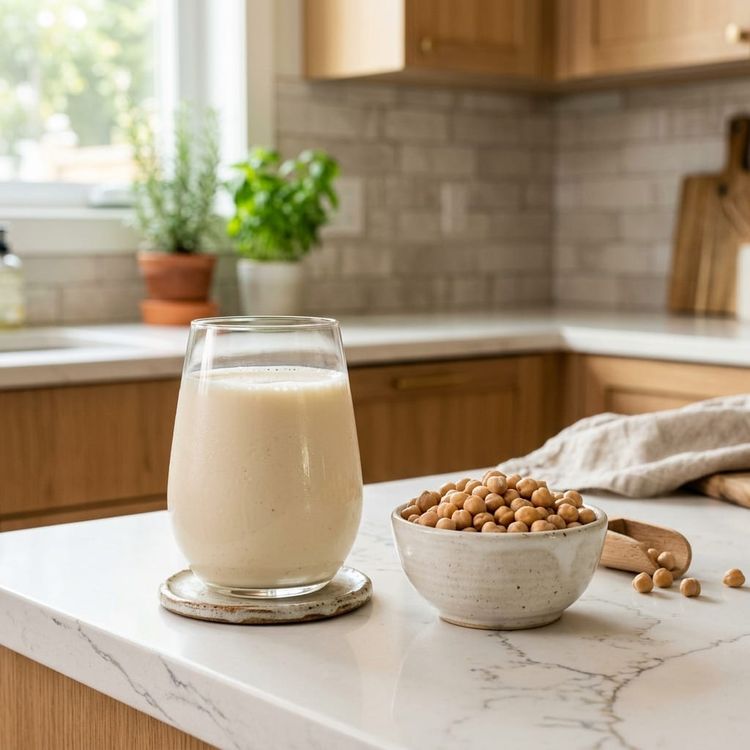
If you only have access to regular canned chickpeas, do not panic. Simply pour them into a colander and thoroughly rinse them under cold water. This simple step washes away a large portion of the added sodium.
The Classic Low Sodium Hummus Recipe
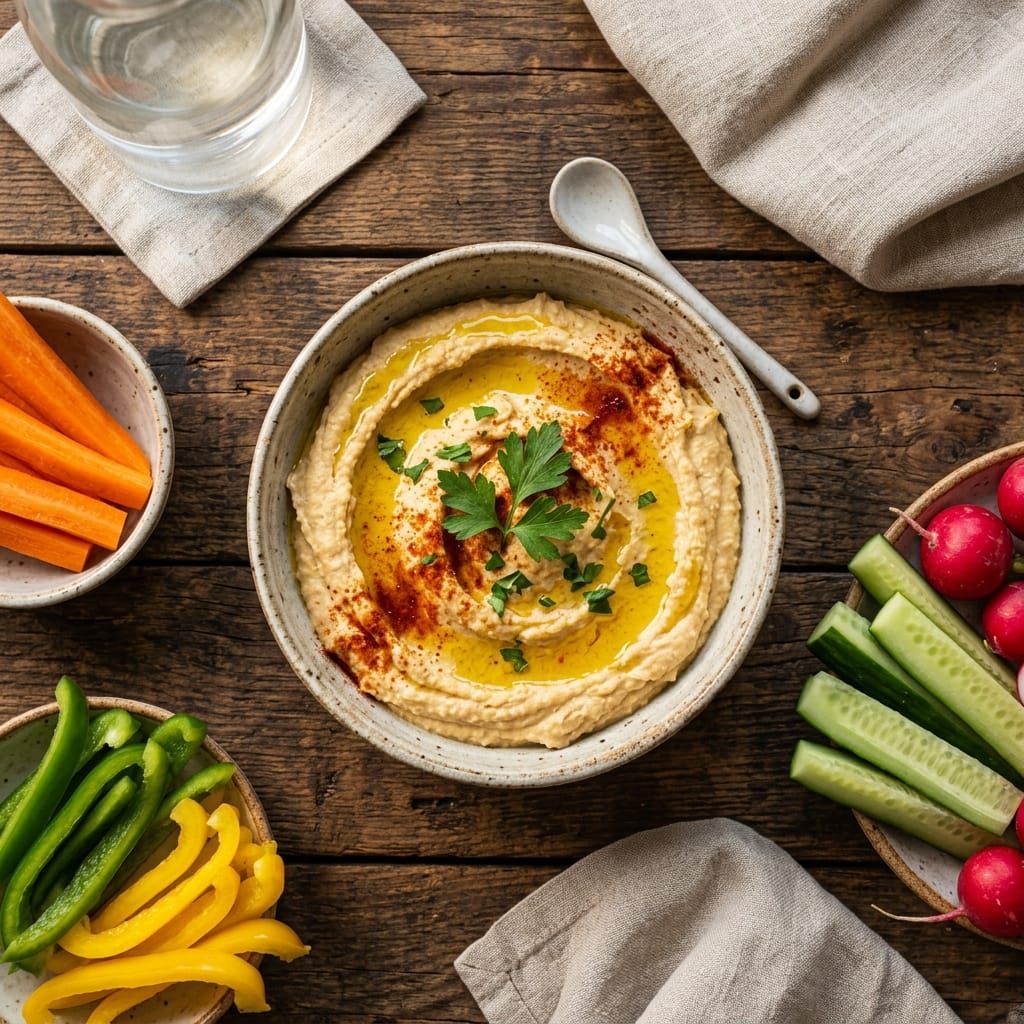
This straightforward recipe yields a delicious, creamy spread with less than 90 mg of sodium per serving.
Ingredients:
- 1 (15.5-ounce) can no-salt-added chickpeas, rinsed and drained
- 1/4 cup tahini
- 2 tablespoons extra-virgin olive oil (plus a little more for drizzling)
- 2 tablespoons fresh lemon juice
- 1 medium garlic clove, minced
- 1/2 teaspoon ground cumin
- A pinch (1/8 teaspoon) of kosher salt or black pepper
Instructions:
- Place all of your ingredients into a food processor or a high-powered blender.
- Blend on high for 30 to 60 seconds until completely creamy.
- If the mixture is too thick, add a splash of cold water or the reserved liquid from the chickpea can.
- Serve immediately or chill. Pair with fresh vegetable dippers like bell pepper strips, carrots, or cucumber rounds instead of salty chips.
Flavor Variations to Try
To keep your taste buds happy and your diet exciting, try adding roasted red peppers for a sweet, smoky profile. You can also blend in a handful of fresh spinach and parsley to create a vibrant "Green Goddess" version packed with extra antioxidants and vitamins.
Related Reading: For a comprehensive look at managing your sodium intake, read our complete guide on How to Read a Nutrition Label for Sodium.
Summary
Taking control of your snacks does not mean eating flavorless food. By mastering a simple low sodium hummus recipe at home or carefully selecting your store-bought options, you are actively choosing to protect your heart. Adding more legumes and healthy fats to your day is a powerful, additive nutrition strategy that makes your recovery sustainable. If you are looking for an easy way to whip up these recipes, investing in a good high-speed blender (like the Vitamix 5200) makes all the difference in getting that perfectly creamy, restaurant-quality texture.
Stay Ahead of Your Heart Health
Want to stay up-to-date with current science-backed nutrition tips to protect your cardiovascular future?
- Subscribe to the Newsletter: Get practical, clinical-strength tips on diet, labs, and lifestyle adjustments sent straight to your inbox.
- Get the Master Course: Secure immediate access to the Heart Disease Risk Reversal Master Course and start reversing your risk today. 👉 Join the Newsletter & Master Course here
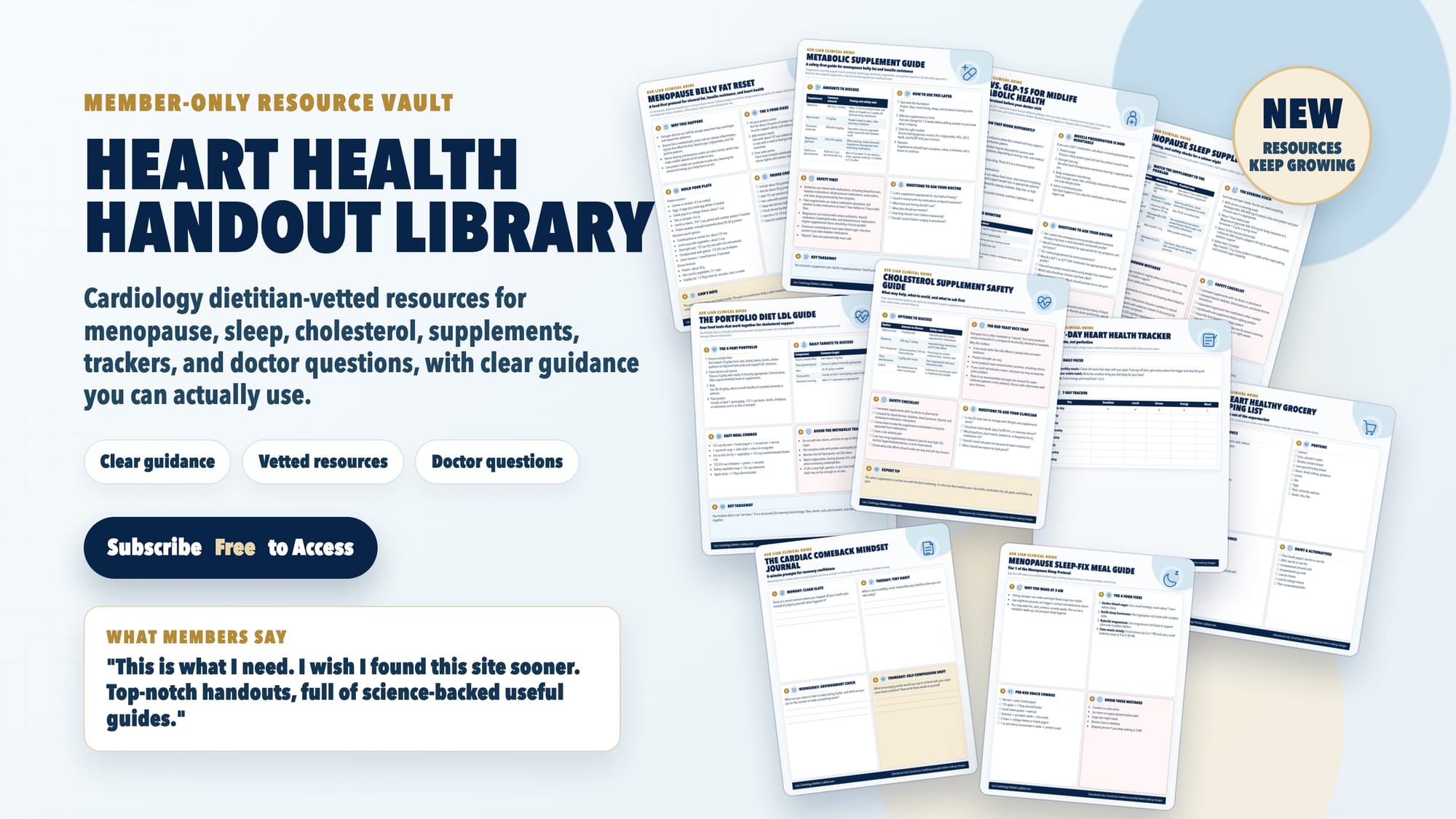
Download Vetted Clinical Handouts & Trackers
Get instant access to a growing library of evidence-based guides, food protocols, and symptom logs vetted by a cardiology dietitian. Access is completely free—simply subscribe to view.
Access Handout Library
Member discussion