Low Salt Popcorn: A Heart-Healthy Snack Guide and Sodium Tracking

Low Salt Popcorn: A Heart-Healthy Snack Guide and Sodium Tracking
Written by: Lian Liu, MPH, RD, CDCES | Specializing in Cardiac & Menopause Nutrition. Reviewed and updated: June 2026.
Key Takeaways
- Air-popped popcorn is a 100% whole grain that provides beneficial dietary fiber, which helps support healthy cholesterol levels and cardiovascular function.
- Swap traditional salt for flavor-dense alternatives like nutritional yeast, smoked paprika, or a squeeze of lime juice to keep sodium strictly controlled.
- Always inspect the nutrition label on pre-packaged microwave popcorn, as many "healthy" brands contain hidden sodium and unwanted saturated fats.
The Crunch You Crave, The Protection You Need
When you are navigating life after a cardiac event, the snack aisle can suddenly feel like a minefield. You want that satisfying, late-night crunch, but staring down a bag of heavily salted chips can trigger anxiety about blood pressure spikes and fluid retention. The good news? You do not have to give up snacking. Low salt popcorn is one of the most effective, satisfying tools in your cardiac nutrition arsenal, provided you know exactly how to prepare and flavor it.
The secret isn't restriction; it's smart substitution. By understanding how to properly track sodium and creatively flavor your popcorn, you can transform this movie-theater classic into a daily heart-healthy habit.
Why is Popcorn a Cardiac Super-Snack?
Popcorn is more than just a vehicle for butter and salt. In its purest form, popcorn is a 100% whole grain. A standard three-cup serving of air-popped popcorn contains approximately 3.5 grams of dietary fiber.
Fiber is an essential component of a heart-healthy dietary pattern. It acts like a sponge in your digestive tract, binding to cholesterol and helping to clear it from your body. This makes air-popped popcorn a fantastic, volume-dense snack that keeps you full without heavily impacting your daily caloric or fat targets.
Navigating Sodium Limits for Heart Health
When we talk about low salt popcorn, we need to define our terms. The American Heart Association (AHA) recommends that most adults limit their sodium intake to no more than 2,300 mg per day, while moving toward an ideal limit of 1,500 mg per day for individuals with high blood pressure or established cardiovascular disease.
A typical bag of movie theater butter microwave popcorn can easily pack 250 to 400 mg of sodium per serving (and remember, there are usually multiple servings in a bag). By switching to plain kernels and air-popping them yourself, you start at virtually 0 mg of sodium, giving you complete control over what goes into your body.
Flavor Without the Spike: The Best Low Salt Popcorn Seasonings
You do not need to rely on the salt shaker to make your popcorn delicious. The trick is to use a light mist of a heart-healthy oil (like olive oil or avocado oil spray) to help dry spices adhere to the kernels. Here is a breakdown of the best flavor profiles to try today:
| Flavor Profile | Seasoning Blend | Cardiac Benefit |
|---|---|---|
| The "Cheesy" Classic | 2 tbsp Nutritional Yeast + a pinch of garlic powder | Nutritional yeast provides a savory, cheesy flavor with B-vitamins and zero sodium. |
| The Smoky BBQ | 1 tsp Smoked Paprika + 1/2 tsp Cumin + a dash of cayenne | Delivers a robust, complex flavor profile that completely masks the absence of salt. |
| The Sweet Treat | 1 tsp Cinnamon + 1/2 tsp Nutmeg + a light drizzle of dark chocolate | Cinnamon offers natural sweetness without added sugars, satisfying dessert cravings. |
| The Zesty Kick | A squeeze of fresh lime juice + a sprinkle of chili powder | Acid (like lime or lemon juice) mimics the bite of salt on the palate without the sodium. |
How to Track Your Sodium Like a Pro
To truly optimize your heart health, you need to know exactly what you are consuming. Relying on guesswork is a recipe for accidental sodium spikes.
Start by reading the nutrition facts label on everything you buy. Look specifically at the "Sodium" line and pay close attention to the "Serving Size." If you are buying pre-popped popcorn, aim for brands that explicitly state "No Salt Added" or ensure the sodium content is under 140 mg per serving, which qualifies as a low-sodium food under FDA guidelines.
If you are using an app to log your meals, enter your popcorn ingredients separately: the plain kernels, the oil spray, and your spices. This level of precision helps you build confidence in your daily choices, transforming anxiety into empowerment.
> Free Cardiac Resource Library: Need an easy way to track your sodium intake? Download the 7-Day Sodium Tracker from our Free Resource Library to simplify your daily tracking.
Related Reading: For a comprehensive look at tracking your sodium, read our complete guide on How to Read a Nutrition Label for Sodium.
Summary
Taking control of your cardiac recovery means finding joy in the foods that support your health. Low salt popcorn is the perfect example of additive nutrition—you are adding a high-fiber whole grain to your routine while actively protecting your blood pressure. If you are still relying on pre-packaged microwave bags, consider investing in a simple, inexpensive silicone microwave popcorn popper or an electric air popper.
To easily transition away from salt, I highly recommend using Mrs. Dash Salt-Free Seasoning, which instantly adds robust flavor to popcorn without a single milligram of sodium. It is a small change that dramatically expands your snack options without the sodium tax.
Stay Ahead of Your Heart Health
Want to stay up-to-date with current science-backed nutrition tips to protect your cardiovascular future?
- Subscribe to the Newsletter: Get practical, clinical-strength tips on diet, labs, and lifestyle adjustments sent straight to your inbox.
- Get the Master Course: Secure immediate access to the Heart Disease Risk Reversal Master Course and start reversing your risk today. 👉 Join the Newsletter & Master Course here
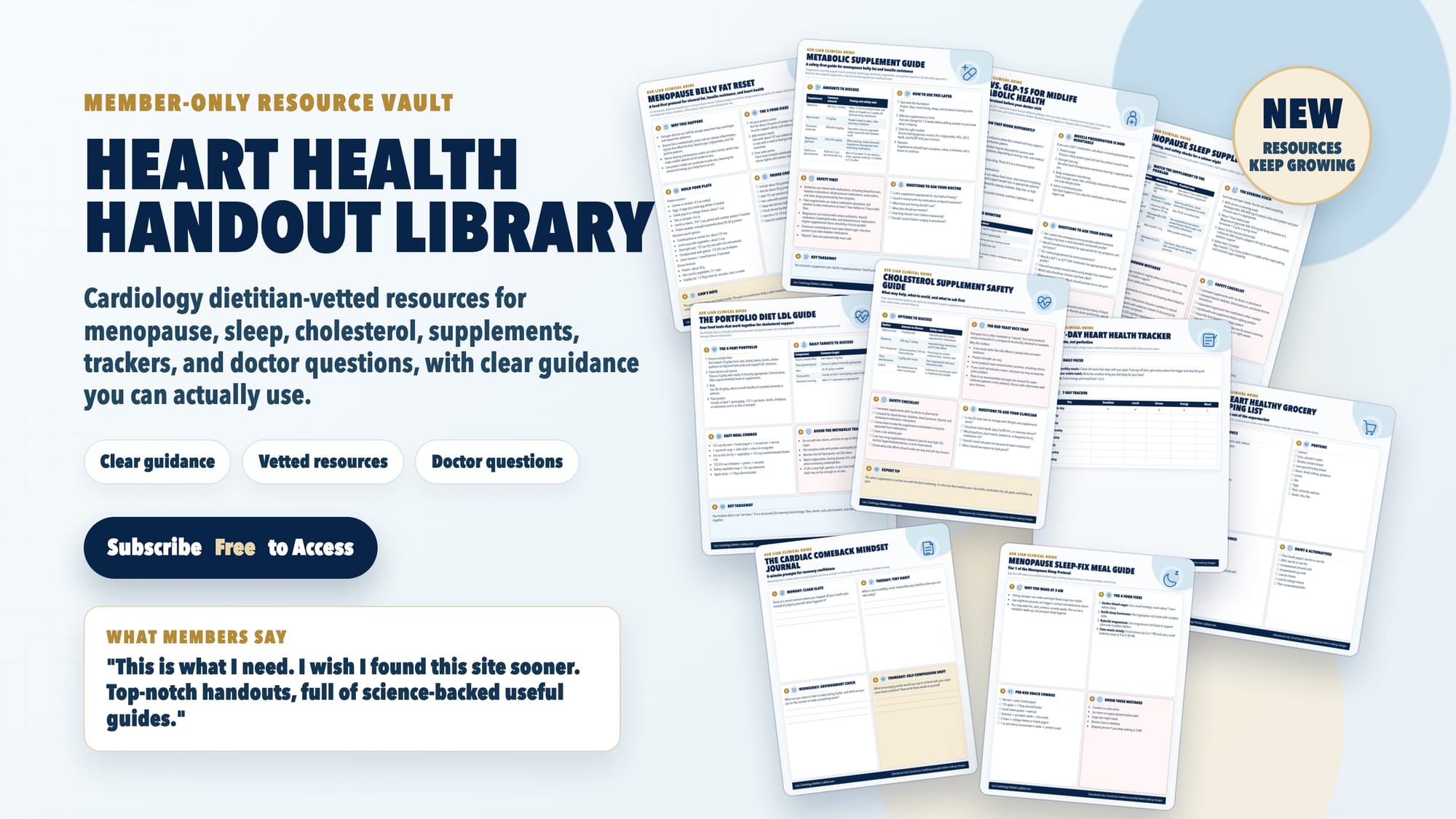
Download Vetted Clinical Handouts & Trackers
Get instant access to a growing library of evidence-based guides, food protocols, and symptom logs vetted by a cardiology dietitian. Access is completely free—simply subscribe to view.
Access Handout Library


Member discussion