
What Actually Happens Inside Your Artery After a Stent?
Written by: Lian Liu, MPH, RD, CDCES | Specializing in Cardiac & Menopause Nutrition. Reviewed and updated: June 2026.
> Direct Answer: After a stent is placed, your body begins "endothelialization," a process where it builds a new layer of cells over the metal struts to repair and smooth the internal lining of the artery. During this period, Dual Antiplatelet Therapy (DAPT) is essential to prevent blood platelets from sticking to the exposed metal and forming clots while the tissue heals.
As an Amazon Associate, I earn from qualifying purchases.
Sarah walked out of the hospital three days after her heart attack with a small titanium tube propping open her Left Anterior Descending (LAD) artery. She felt a profound mix of gratitude and terror. Every twinge in her chest made her wonder: Is the stent moving? Is it clogging up again? How long until I'm actually healed? It’s the ultimate invisible injury—you can't see the wound, so you have to trust the process.
Key Takeaways
- A stent is a foreign object, and your body’s immediate reaction is to cover it up with a new layer of cells (endothelialization).
- Dual Antiplatelet Therapy (DAPT) is non-negotiable because it prevents your blood cells from clotting on the exposed metal before healing is complete.
- Nutrition plays a massive role in healing: soluble fiber and antioxidants provide the building blocks for a strong, healthy new endothelial layer.
- Healing takes time. While the acute danger passes quickly, full cellular recovery inside the artery can take several months to a year.
The First 30 Days: The Construction Zone
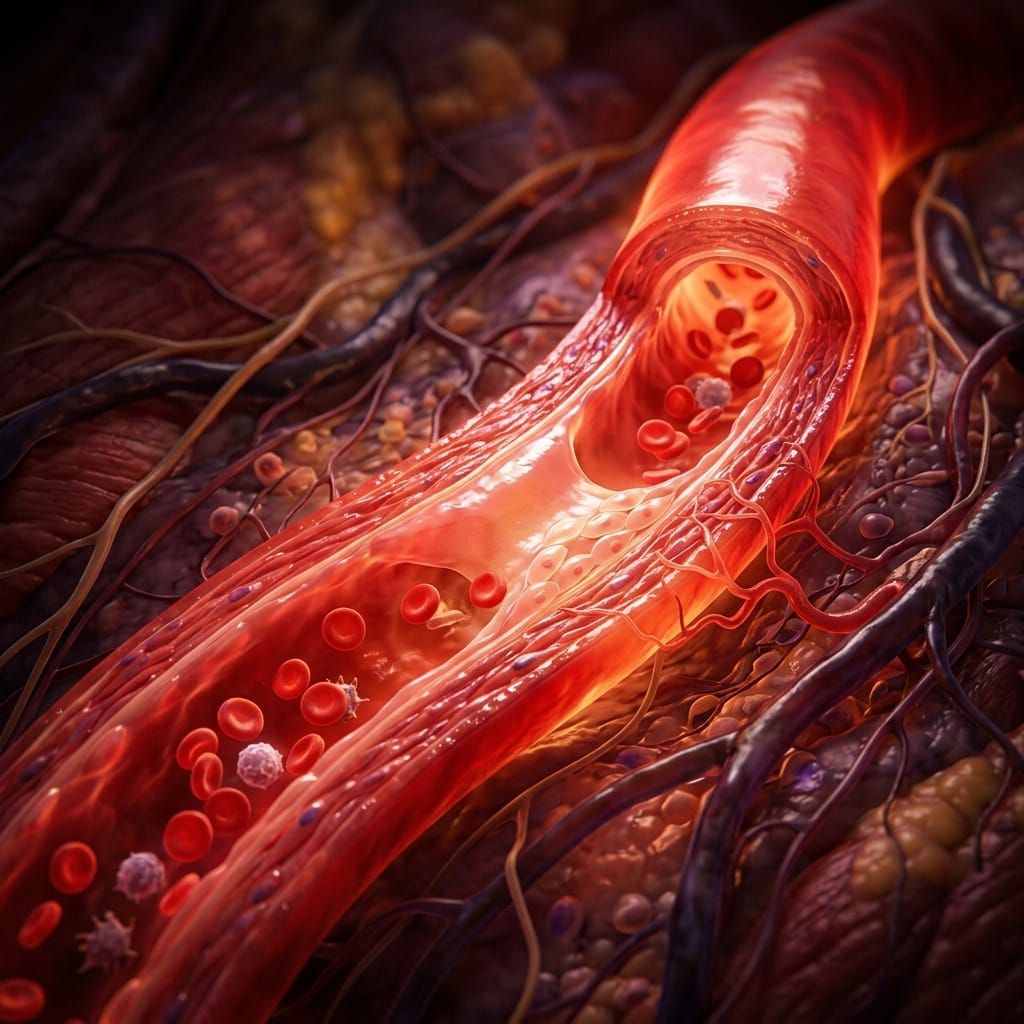
When a stent is deployed, it crushes the plaque against the artery wall to restore blood flow. However, this process also creates a microscopic injury to the delicate inner lining of your blood vessel, known as the endothelium.
Think of your newly stented artery as a freshly paved road with no lane markers. The metal struts of the stent are exposed to the blood rushing by. Your immune system recognizes this metal as a foreign intruder, which sets off an inflammatory response.
Why DAPT is Your Best Friend
Because the metal is exposed, sticky blood cells called platelets are naturally drawn to it, attempting to form a scab. This is exactly what you don't want, as a scab (blood clot) inside the stent could cause another heart attack. This is why your cardiologist prescribed Dual Antiplatelet Therapy (DAPT)—usually aspirin plus a medication like Plavix, Brilinta, or Effient. These drugs make your platelets less sticky, keeping the traffic flowing smoothly through the construction zone while your body does the real healing.
The Long Game: Endothelialization
Your body’s ultimate goal is to pave over that metal stent with a brand new, smooth layer of endothelial cells. This process is called endothelialization.
Over the weeks and months following your procedure, new cells slowly creep over the stent struts, burying the metal into the wall of the artery. Once the stent is completely covered by this slick new layer, the risk of a sudden blood clot drops dramatically.
Note: The exact timeline depends on the type of stent used (bare metal vs. drug-eluting), but generally, significant healing occurs within the first 6 to 12 months.
How to Accelerate Healing with Food
You aren't just a passive bystander in this process. Your new endothelial layer requires specific building blocks to grow strong and flexible.
- Soluble Fiber: Found in oats, beans, and lentils, soluble fiber helps clear LDL cholesterol from your bloodstream, ensuring that the new cellular layer isn't immediately damaged by excess circulating lipids.
- Nitric Oxide Promoters: Foods like leafy greens and beets help your blood vessels produce nitric oxide, a gas that relaxes the arteries and promotes healthy blood flow.
If you are looking for a simple way to start incorporating these building blocks into your daily routine, try my Endothelial-Healing Breakfast Bowl recipe.
Summary
Healing an artery is a complex, microscopic marvel. You must take your DAPT exactly as prescribed to protect the stent while it is exposed, and you must fuel your body with the right nutrients to build a strong, resilient new artery lining.
If you are feeling overwhelmed by all the new rules, medications, and dietary changes, remember that this is a marathon, not a sprint. Consider picking up a copy of the Cardiac Comeback Book to guide you step-by-step through the mental and physical hurdles of this exact transition.
Stay Ahead of Your Heart Health
Want to stay up-to-date with current science-backed nutrition tips to protect your cardiovascular future?
- Check out the Free Resource Library: Dive into the 7-Day Heart Health Tracker to start logging your resting heart rate and HRV today.
- Join the Waitlist: Be the first to know when the Heart Disease Risk Reversal Master Course opens for enrollment.
👉 Access the Library & Waitlist here
Download Vetted Clinical Handouts & Trackers
Get instant access to a growing library of evidence-based guides, food protocols, and symptom logs vetted by a cardiology dietitian. Access is completely free—simply subscribe to view.
Access Handout Library


Member discussion