
A 7-Day Mediterranean Diet Meal Plan for Heart Attack Survivors
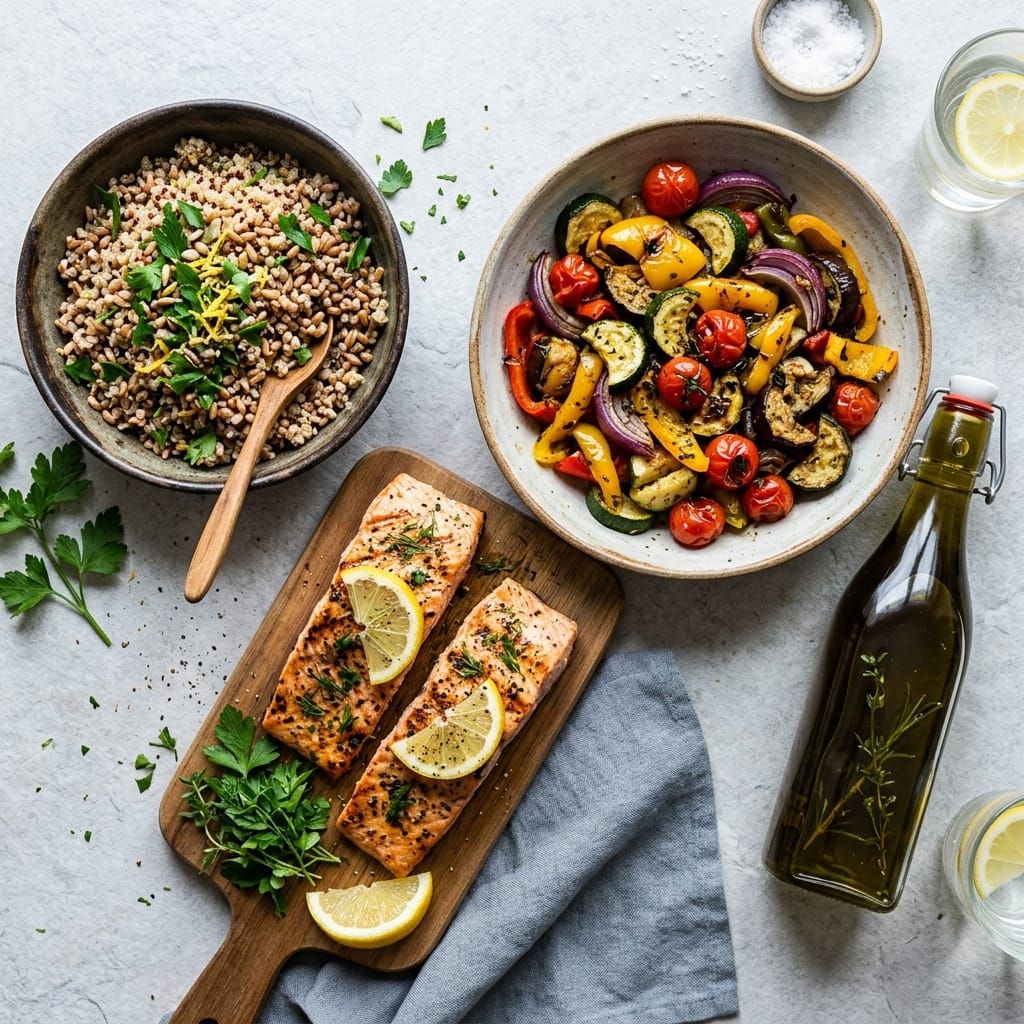
A 7-Day Mediterranean Diet Meal Plan for Heart Attack Survivors
Written by: Lian Liu, MPH, RD, CDCES | Specializing in Cardiac & Menopause Nutrition. Reviewed and updated: June 2026.
> Direct Answer: The Mediterranean diet is a clinically validated eating pattern that can reduce the risk of a second heart attack by up to 70% by emphasizing anti-inflammatory nutrients and healthy fats. This 7-day plan provides a structured framework for survivors, focusing on soluble fiber and monounsaturated fats—such as olive oil—to manage LDL cholesterol while maintaining naturally low sodium levels.
Arthur sat at his kitchen table, staring blankly at a grocery cart full of "heart-healthy" boxed foods. Two weeks after surviving a heart attack and receiving a drug-eluting stent, his cardiologist's only dietary instruction was: "Eat low-sodium and watch your fat." Arthur had resorted to buying cardboard-tasting diet frozen meals and plain boiled chicken. "I survived the event," he told me, "but this food is making me miserable. I don't know how to eat like this forever."
This transition is where many survivors stumble. Standard dietary advice is often defined by what you must restrict, leading to frustration and dietary setbacks.
The secret to secondary prevention is focusing on what you can add—specifically, the rich, anti-inflammatory, and naturally low-sodium ingredients of a Mediterranean eating pattern.
Key Takeaways
- The Mediterranean diet is the most clinically validated eating pattern for preventing a second heart attack, reducing recurrence risk by up to 70%.
- This 7-day meal plan is designed to be naturally low-sodium (1,500 to 2,000 mg/day) and rich in soluble fiber and healthy monounsaturated fats.
- Meal prepping batch-cooked grains and sauces makes daily adherence frictionless.
- A heart-healthy diet should focus on flavorful, whole-food additions rather than restrictive deprivation.
The 7-Day Cardiac Recovery Meal Plan
This meal plan balances lean proteins, rich monounsaturated fats, and soluble fibers to protect your arterial lining and manage LDL cholesterol levels.
| Day | Breakfast | Lunch | Dinner | Snack |
|---|---|---|---|---|
| Day 1 | Cholesterol-Lowering Overnight Oats | Mediterranean Chickpea Salad | Quick Mediterranean Salmon | A handful of raw walnuts |
| Day 2 | Endothelial-Healing Breakfast Bowl | Leftover Salmon & Quinoa | Hearty Lentil Soup | Apple slices with almond butter |
| Day 3 | Avocado Toast with Poached Egg | Leftover Lentil Soup | Mediterranean Greek Chicken Bowl | Hummus with cucumber slices |
| Day 4 | Berry & Spinach Soy Smoothie | Chicken & Hummus Wrap | Baked Lemon Cod with Garlic Asparagus | A small handful of almonds |
| Day 5 | Fibrinolytic Breakfast Bowl | Leftover Baked Cod & Asparagus | White Bean and Kale Soup | Roasted pumpkin seeds |
| Day 6 | Endothelial-Healing Breakfast Bowl | Leftover White Bean & Kale Soup | Grilled Tempeh Burgers | Fresh blueberries |
| Day 7 | Avocado Toast with Poached Egg | DASH Chicken Quinoa Bowl | Quick Mediterranean Salmon | Half an apple with walnuts |
\n\nDisclosure: Some of the links below are affiliate links. This means if you click through and take action, I may receive a small commission (at no extra cost to you). This helps support the free content on this blog while I only recommend tools and foods I truly believe in for your heart health journey.
The Clinical Power of the Mediterranean Diet
When recovering from a heart attack, your blood vessels are in an active state of healing.
Answer-First: Clinical trials show that a Mediterranean diet is exceptionally powerful for secondary prevention. The landmark Lyon Diet Heart Study demonstrated that heart attack survivors following a Mediterranean-style diet experienced a 70% reduction in all-cause mortality and cardiac recurrence compared to those receiving standard care. The diet achieves this by lowering systemic inflammation, reducing blood pressure, and preventing plaque from rupturing.
A core component of this protective effect is extra virgin olive oil. The polyphenols in premium, cold-pressed olive oil act as natural antioxidants that protect your arterial lining. I recommend starting with a High-Polyphenol Premium EVOO to ensure you are getting the active, anti-inflammatory compounds.
How to Keep Sodium Under 1,500–2,000 mg Without Losing Flavor
The American Heart Association (AHA) recommends an optimal target of less than 1,500 mg of sodium daily for patients with established cardiovascular disease to manage blood pressure in their science statement on sodium reduction. However, general guidelines set a baseline limit of 2,300 mg/day, and clinical trials (like the 2022 SODIUM-HF trial) caution against overly strict restriction (under 1,500 mg) in patients with heart failure due to the risk of activating fluid-retaining hormones. For most cardiac recovery plans, aiming for a realistic window of 1,500 to 2,000 mg/day provides a powerful balance of cardiovascular protection and dietary sustainability.
Answer-First: You can easily keep sodium within this target range without sacrificing taste by using acids (lemon juice, lime, vinegars) and fresh garlic to mimic the tongue's salt receptors. Additionally, blending your own dressings and sauces allows you to avoid the hidden sodium packed into commercial store-bought products.
Using a high-powered Vitamix 5200 Blender makes it incredibly easy to blend raw cashews, lemon juice, garlic, and fresh herbs into rich, creamy, sodium-free sauces that make whole grains and vegetables taste delicious.
Building a Complete Recovery System
A heart-protective diet is the cornerstone of secondary prevention, but it works best when integrated with proper sleep, stress management, and medication. To see how nutrition fits into the larger picture of your recovery, read my comprehensive guide to preventing a second heart attack.
To understand why keeping your diet anti-inflammatory is so critical to your blood vessels during early recovery, you can also read about what happens inside your artery after a stent.
If you are looking for a complete, day-by-day transition plan from the hospital to your daily life—complete with kitchen-organization tips and a deeper look at the biology of recovery—pick up a copy of my book, The Cardiac Comeback.
Stay Ahead of Your Heart Health
Want to stay up-to-date with current science-backed nutrition tips to protect your cardiovascular future?
- Subscribe to the Newsletter: Get practical, clinical-strength tips on diet, labs, and lifestyle adjustments sent straight to your inbox.
- Get the Master Course: Secure immediate access to the Heart Disease Risk Reversal Master Course and start reversing your risk today. 👉 Join the Newsletter & Master Course here
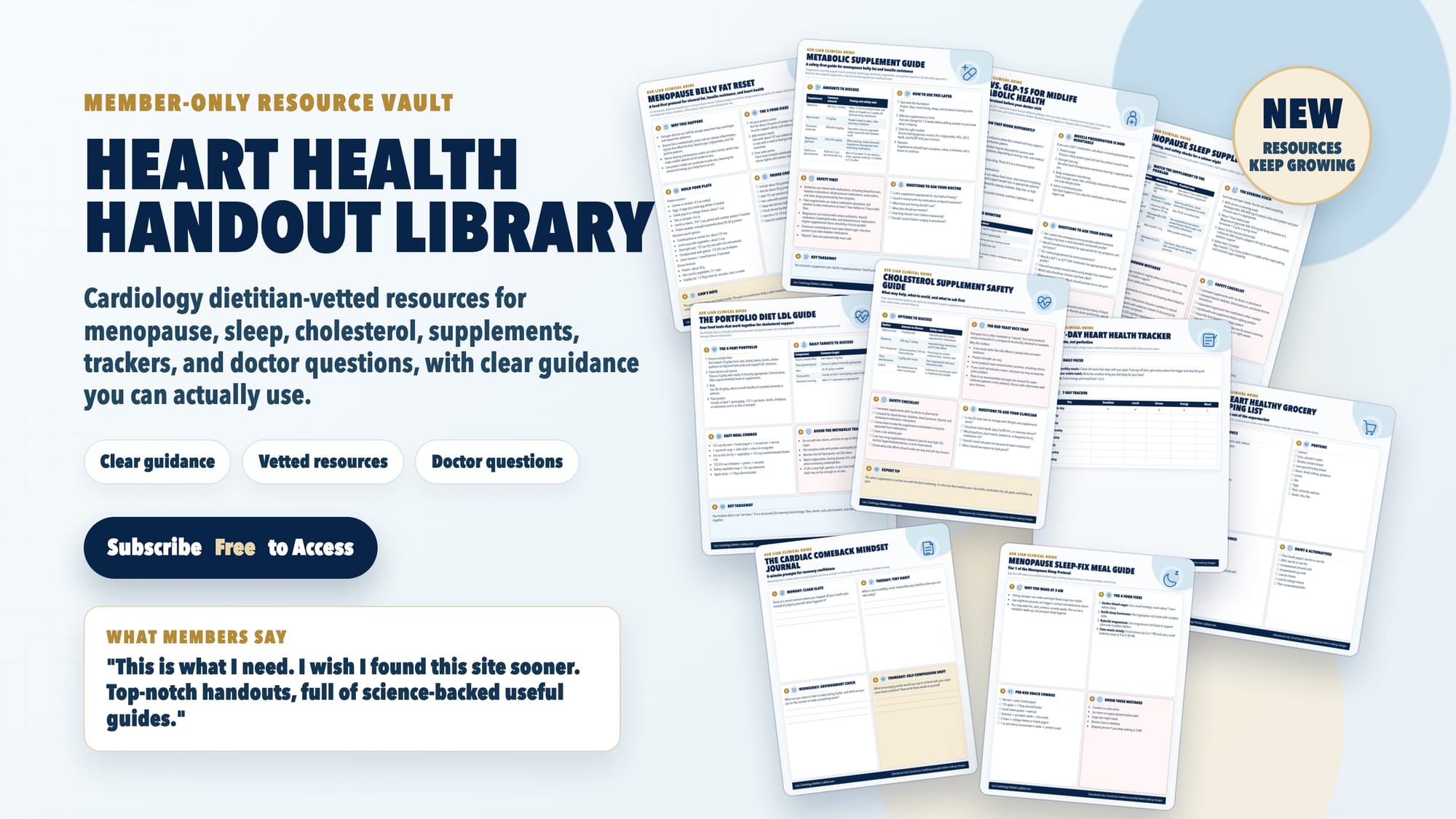
Download Vetted Clinical Handouts & Trackers
Get instant access to a growing library of evidence-based guides, food protocols, and symptom logs vetted by a cardiology dietitian. Access is completely free—simply subscribe to view.
Access Handout Library




Member discussion