High LDL Particle Number: What It Actually Means for Heart Risk
High LDL Particle Number: What It Actually Means for Heart Risk
Written by: Lian Liu, MPH, RD, CDCES | Specializing in Cardiac & Menopause Nutrition. Reviewed and updated: June 2026.
> Direct Answer: A high LDL particle number (LDL-P) means you have a large quantity of atherogenic particles circulating in your blood. Since each particle can penetrate your artery walls and form plaque, the number of particles (measured directly as apoB) is a much stronger predictor of heart attack risk than the total amount of cholesterol they carry.
Key Takeaways
- Clinical data demonstrates that every standard-deviation increase in apoB raises the risk of a myocardial infarction by 38%, making it a far superior predictor of heart attacks than standard LDL-C.
- You can actively trap and remove LDL particles from your blood by eating more viscous soluble fiber found in oats, barley, and beans.
- A "keto-like" low-carbohydrate/high-fat diet can significantly increase both your LDL-C and your apoB, doubling your risk of major cardiovascular events.
When you sit across from your doctor and hear the phrase "your cholesterol is normal," it is natural to feel a wave of relief. But if you have a high LDL particle number, that standard lipid panel might be giving you a false sense of security. I see this constantly in my practice: patients who have suffered a cardiac event despite having "normal" cholesterol levels on paper. The hidden culprit? An advanced lipid marker called apoB, which reveals your true atherogenic particle burden.
If you are trying to understand why an ldl particle number high result is dangerous and what you can actually do to protect your arteries today, you are in the right place.
What Is a High LDL Particle Number?
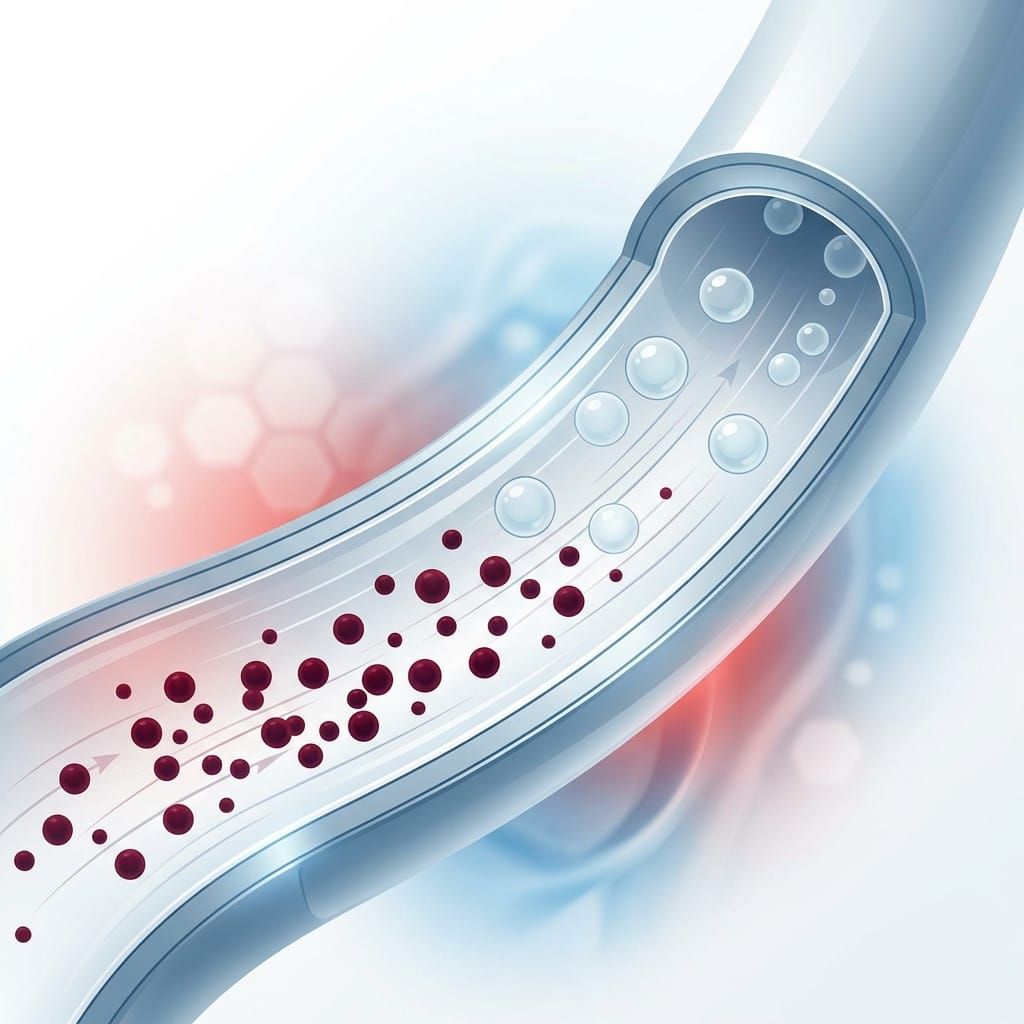
A high LDL particle number (LDL-P) refers to the total count of low-density lipoprotein particles circulating in your bloodstream, rather than the amount of cholesterol stuffed inside them.
Every single plaque-forming particle—including LDL, VLDL, and IDL—is encased by exactly one structural protein called apolipoprotein B (apoB). Therefore, measuring apoB provides a direct and precise count of your atherogenic particle number.
Why Standard LDL-C Misses the Danger
Standard LDL-C only measures the total cholesterol content (the cargo) within the particles, which can be highly misleading. Because LDL particles come in different sizes, one person might have large, buoyant particles that carry a lot of cholesterol, while another has small, dense particles that carry very little.
If you only measure the cholesterol content (LDL-C), you might falsely appear to have "normal" or low risk, completely missing the fact that you have a dangerously high number of small, dense particles.
Think of it like moving one ton of cholesterol down a street. If it is transported in four large pickup trucks, the chance of an accident is relatively small. However, if that exact same ton of cholesterol is carried on 500 small rental scooters, it will cause absolute mayhem. Knowing the number of vehicles (apoB) is much more relevant for gauging your true risk than knowing the total weight of the cargo.
How Do LDL Particles Cause Heart Disease?
Heart disease begins when these apoB-tagged particles penetrate the delicate inner lining of your arteries (the endothelium).
The apoB protein is positively charged and acts like "molecular velcro." It binds to negatively charged structures in the artery wall, where the particle gets stuck, oxidizes, and triggers an inflammatory response that forms atherosclerotic plaque.
You cannot develop atherosclerosis without apoB particles; they are the necessary fuel for the fire. The more particles you have circulating in your blood, the higher the mathematical probability that they will crash into the artery wall and get trapped. Because early damage compounds over decades, modern preventative cardiology emphasizes treating the causal agent by lowering apoB as much as possible, as early as possible.
Action Items to Lower Your LDL Particle Number
You are not powerless against a high particle count. Here are the most effective clinical strategies to lower your risk.
> Need help tracking your fiber intake? Download the free Heart-Healthy Grocery List and Daily Tracker from my Free Resource Library to start actively lowering your apoB today.
| Strategy | Action to Take | Clinical Impact |
|---|---|---|
| Request an ApoB Test | Ask your doctor specifically for an apoB blood test. | Reveals your true particle burden (usually costs $20-$30). For context, the ACC/AHA clinical guidelines classify an ApoB level of 120 mg/dL or higher as a formal "risk enhancer," while preventative cardiologists target optimal levels of 20-30 mg/dL for maximum protection. Read more on how to advocate for advanced testing. |
| Reevaluate High-Fat Diets | Avoid keto-like diets high in saturated fat. | Saturated fats significantly increase apoB and cardiovascular risk. |
| Increase Soluble Fiber | Eat more oats, barley, and beans daily. | Viscous fiber actively traps bile acids and pulls LDL out of circulation. |
| Control Triglycerides | Reduce refined carbohydrates, added sugars, and alcohol. | Lowers circulating VLDL particles, directly reducing your total apoB count. |
Related Reading: Continue your recovery journey with our guide on Worst Foods for Triglycerides: Identifying Offenders and Better Swaps.
Summary
Understanding your true risk requires looking beyond standard cholesterol numbers. A high LDL particle number is the direct driver of plaque buildup in your arteries. By specifically requesting an apoB test, increasing your intake of soluble fiber (whether through foods like oats or a high-quality supplement like Metamucil Sugar-Free Psyllium), and avoiding excessive saturated fats, you can actively reduce your particle burden and protect your arterial walls. Remember, preventative cardiology is about buying a margin of safety for your arteries, and knowledge is the first step. For a step-by-step roadmap to actively reversing your risk, check out my book, Cardiac Comeback.
Stay Ahead of Your Heart Health
Want to stay up-to-date with current science-backed nutrition tips to protect your cardiovascular future?
- Subscribe to the Newsletter: Get practical, clinical-strength tips on diet, labs, and lifestyle adjustments sent straight to your inbox.
- Get the Master Course: Secure immediate access to the Heart Disease Risk Reversal Master Course and start reversing your risk today. 👉 Join the Newsletter & Master Course here
Download Vetted Clinical Handouts & Trackers
Get instant access to a growing library of evidence-based guides, food protocols, and symptom logs vetted by a cardiology dietitian. Access is completely free—simply subscribe to view.
Access Handout Library


Member discussion