Worst Foods for Triglycerides: Identifying Offenders and Better Swaps
Worst Foods for Triglycerides: Identifying The Hidden Sugars and Better Swaps
Disclosure: As an affiliate, I earn from qualifying purchases.
Written by: Lian Liu, MPH, RD, CDCES | Specializing in Cardiac & Menopause Nutrition. Reviewed and updated: June 2026.
> Direct Answer: The worst foods for triglycerides are sugar-sweetened beverages, refined carbohydrates, alcohol, and highly processed junk foods. These foods rapidly spike your blood glucose and overwhelm your liver, forcing it to rapidly convert excess energy into fat. To lower triglycerides effectively, swap these items for whole fruits, complex carbohydrates, and Omega-3 rich cold-water fish.
Key Takeaways
- Replacing saturated fats and refined carbohydrates with Omega-3-rich fish is one of the most effective, evidence-based dietary methods to actively lower high triglycerides.
- Swap fruit juices or sweetened smoothies for whole, fiber-rich fruits like apples or berries to significantly slow digestion and prevent sudden sugar spikes.
- While it may seem harmless, alcohol oxidation actively delays your body's normal fat-burning processes, meaning regular consumption can contribute to elevated triglycerides.
Why The Worst Foods for Triglycerides Usually Aren't "Fatty" Foods
When Robert came to my clinic after a routine checkup, he was incredibly frustrated. He had aggressively cut out butter and red meat for months, yet his lab results showed his triglycerides had shot up. The culprit? He had replaced those items with excessive amounts of fruit juices and fat-free snacks loaded with refined sugars.
Finding the worst foods for triglycerides often surprises patients because the primary drivers aren't dietary fats—they are liquid sugars, refined carbohydrates, and alcohol. These metabolic disruptors overwhelm your gut and liver, forcing your body to actively synthesize and store more fat in the blood. (For context, a normal fasting triglyceride level is <150 mg/dL). Let's break down exactly which foods to avoid and the practical, heart-healthy swaps you can make today.
What Are The Worst Foods for Triglycerides?
The foods that spike your triglyceride levels all share one common trait: they provide rapid, easily absorbed energy that your liver has to scramble to handle.
1. Sugar-Sweetened Beverages and Liquid Fructose
Quick Answer: Liquid sugars like sodas, fruit juices, and sweet smoothies digest instantly, overwhelming your gut. The liver quickly converts this excess fructose into fat, packaging it into VLDL particles (Normal VLDL: <30 mg/dL) and dumping it into your bloodstream.
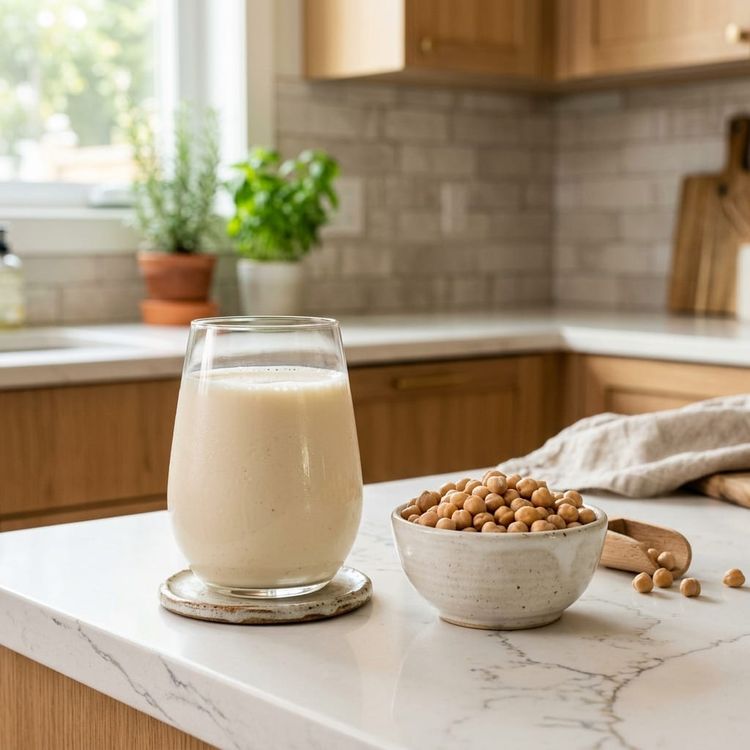
Fructose is metabolized differently than other carbohydrates. Because liquid fructose is absorbed almost instantly without any fiber to slow it down, it physically overwhelms your liver. To handle the massive influx of energy, your liver rapidly converts it into fat. People can easily develop fatty liver disease and high triglycerides simply by drinking too many "healthy" fruit smoothies.
2. Refined "Free" Carbohydrates and Sweets
Quick Answer: White bread, pastries, and candy have been stripped of natural fiber, causing massive insulin surges that instruct your body to store excess energy directly as blood triglycerides.
Refined carbohydrates digest incredibly fast, leading to a sharp spike in blood glucose. Your body responds with a massive surge of the hormone insulin. Insulin acts as a powerful storage hormone, converting all that rapidly absorbed energy into body fat and directly driving up your blood triglyceride levels.
3. Alcohol (Beer, Wine, and Liquor)
Quick Answer: Alcohol provides empty calories and fundamentally disrupts your metabolism. Your body prioritizes clearing the alcohol, which actively delays and halts normal fat oxidation.
Drinking alcohol forces your body to drop everything and prioritize clearing the alcohol over burning fat. This chemical oxidation process actively delays normal fat oxidation, meaning that regular drinking can contribute to elevated triglyceride levels, particularly for patients who are already struggling with elevated lab markers.
4. Highly Processed and Fatty "Junk" Foods
Quick Answer: Meals that heavily combine saturated dietary fats with refined carbohydrates (like burgers and fries) flood your lymphatic system with triglyceride-rich transport vehicles called chylomicrons.
When your intestines process these heavy combination meals, they package the fats into massive transport vehicles called chylomicrons. These chylomicrons flood your bloodstream immediately after eating, causing a direct, prolonged spike in your triglyceride levels.
Better Dietary Swaps for Triglyceride Control
To actively clear fat from your blood, you don't need to starve yourself—you simply need to swap rapid-energy foods for whole, regulating foods.
Looking for a practical way to implement these swaps? Check out the Free Resource Library to download our 7-Day Heart-Healthy Grocery List and Tracker.
| The Worst Foods | The Better Swap | The Clinical Rationale |
|---|---|---|
| Fruit Juices & Smoothies | Whole apples or a handful of berries | Whole fruits contain a fiber matrix that slows digestion, preventing the sudden sugar dump that creates triglycerides. |
| Refined Grains (White Bread, Pasta) | Oats, barley, quinoa, lentils, and beans | Complex carbohydrates break down slowly, providing a steady energy trickle without aggressive insulin surges. |
| Fatty Processed Meats | Cold-water fish like salmon, mackerel, or sardines | Omega-3s in fish act as medical therapy, decreasing VLDL synthesis in the liver and speeding up triglyceride clearance. |
| Alcohol & Sodas | Sparkling water or fruit-infused water | Eliminating liquid calories instantly removes the metabolic disruptors that block fat oxidation. |
Before making these dietary adjustments, it's also crucial to understand how triglycerides interact with other lipid markers in your bloodstream, such as LDL (Normal LDL: <100 mg/dL, or <70 mg/dL for high-risk patients). You can learn more about how all of these fat-carrying particles affect your overall risk by reading our deep-dive on high LDL particle numbers and cholesterol.
Related Reading: Continue your recovery journey with our guide on Heart-Healthy Turkey Stir-Fry: Low Sodium Asian-Inspired Dinner.
Summary
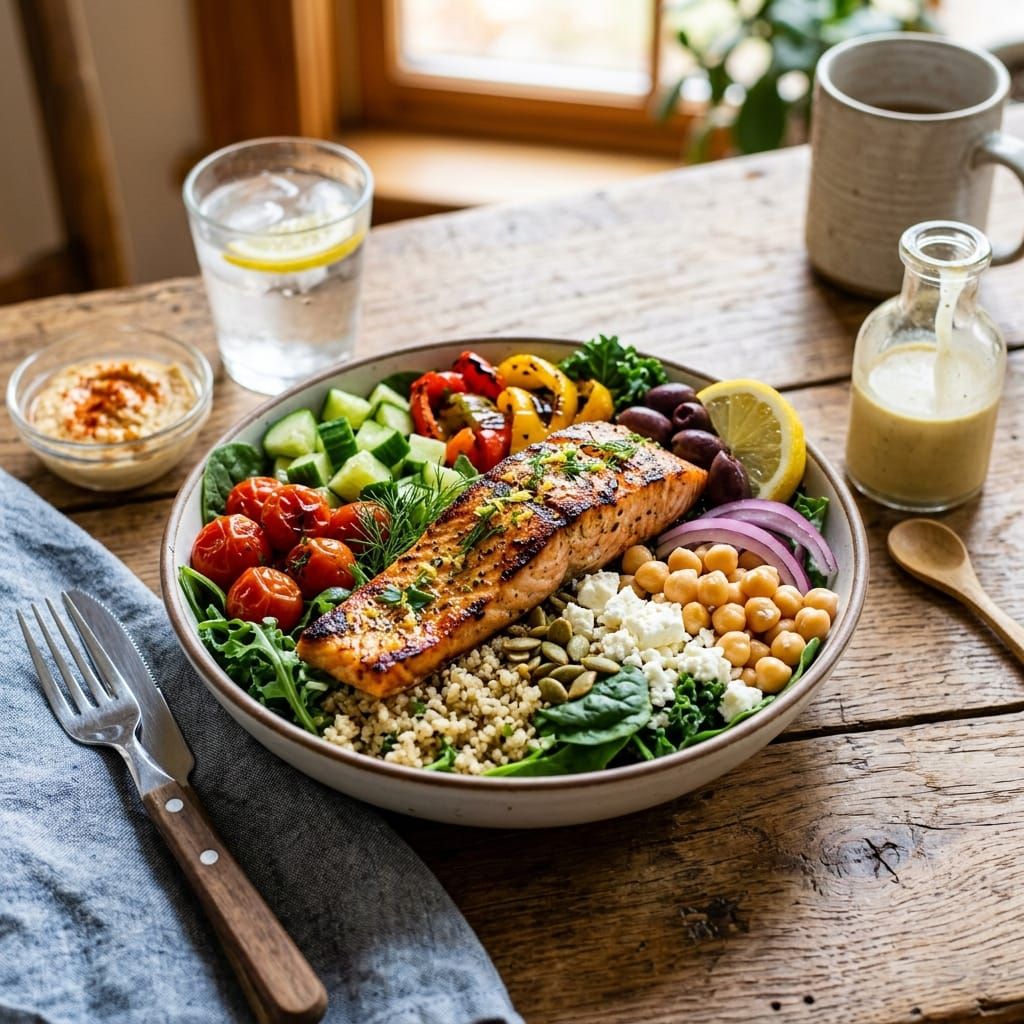
Lowering your triglycerides isn't about eating bland, restrictive meals; it's about actively choosing foods that your metabolism can process efficiently. By avoiding the worst foods for triglycerides—like liquid sugars, refined carbohydrates, and alcohol—and making simple, high-fiber swaps, you can dramatically improve your cardiovascular lab markers and protect your heart. Start by making one swap this week, like trading your morning juice for a piece of whole fruit, or swapping processed meats for a Mediterranean salmon bowl (consider complementing your diet with a clinical-grade Omega-3 / Fish Oil to help manage triglycerides and inflammation).
Stay Ahead of Your Heart Health
Want to stay up-to-date with current science-backed nutrition tips to protect your cardiovascular future?
- Subscribe to the Newsletter: Get practical, clinical-strength tips on diet, labs, and lifestyle adjustments sent straight to your inbox.
- Get the Master Course: Secure immediate access to the Heart Disease Risk Reversal Master Course and start reversing your risk today. 👉 Join the Newsletter & Master Course here
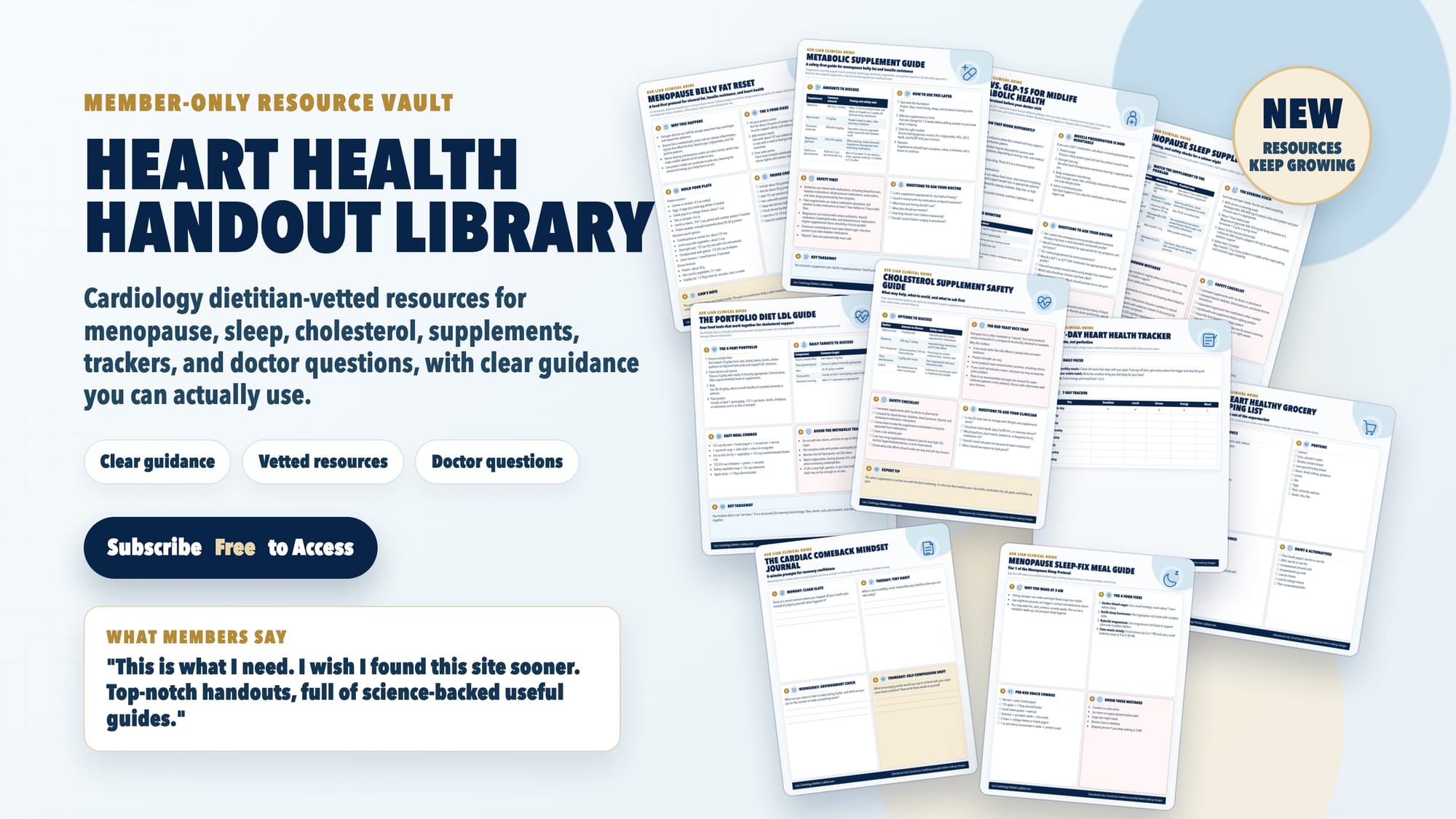
Download Vetted Clinical Handouts & Trackers
Get instant access to a growing library of evidence-based guides, food protocols, and symptom logs vetted by a cardiology dietitian. Access is completely free—simply subscribe to view.
Access Handout Library

Member discussion