
Heart Health Supplements: Evidence-Based Picks vs. Wasted Money for Secondary Prevention
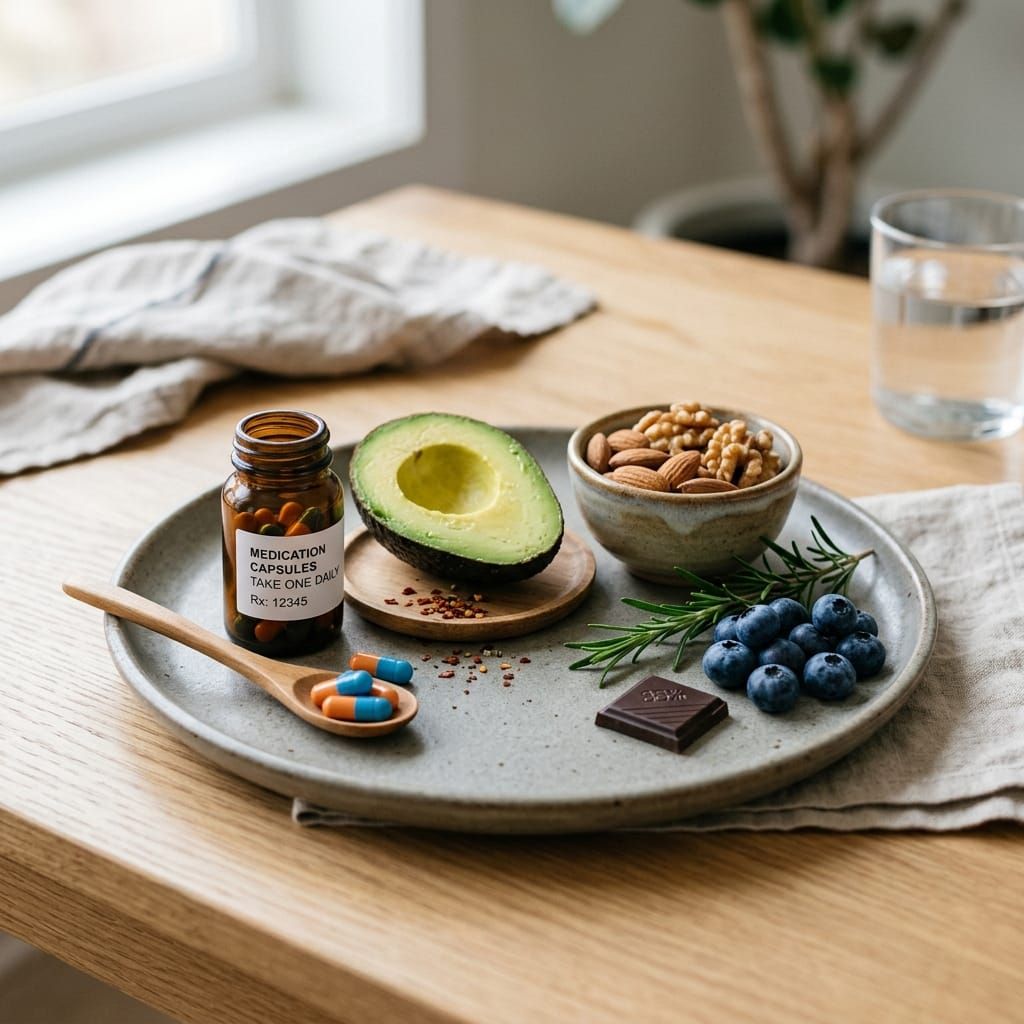
Heart Health Supplements: Evidence-Based Picks vs. Wasted Money for Secondary Prevention
Written by: Lian Liu, MPH, RD, CDCES | Specializing in Cardiac & Menopause Nutrition. Reviewed and updated: June 2026.
Key Takeaways
- Over-the-counter fish oil, antioxidant vitamins, and unregulated red yeast rice do not reduce the risk of major cardiovascular events.
- Adding 2 to 3 grams of plant sterols and 10 grams of viscous soluble fiber daily can significantly lower your LDL cholesterol alongside statin therapy.
- Always consult your cardiologist before starting any herbal supplements, as things like garlic and turmeric can dangerously interact with blood thinners.
After surviving a cardiovascular event, it's completely natural to want to do everything in your power to protect your heart. Many patients immediately turn to the vitamin aisle, searching for heart health supplements to give them an extra edge. But the supplement industry is full of overhyped claims and marketing noise.
When it comes to secondary prevention—preventing a second heart attack—the clinical evidence is remarkably clear: the most effective nutritional intervention is a whole-food dietary pattern, not a stack of pills. The American Heart Association explicitly states that most nonprescription dietary supplements do not reduce acute cardiovascular events. However, precision matters. A few targeted therapies are highly effective, while many popular products are a waste of money or even dangerous.
Let's break down the clinical evidence on what works and what doesn't.
Which Heart Health Supplements Are Actually Worth the Money?
When evaluating supplements, we want to look for clinical data showing they actively reduce cardiovascular events or significantly improve risk factors like LDL cholesterol.
| Supplement | Clinical Evidence | Best For |
|---|---|---|
| Prescription EPA (Icosapent Ethyl) | REDUCE-IT trial showed a 25% reduction in major adverse cardiovascular events. | Patients with elevated triglycerides despite statin therapy. |
| Plant Sterols & Stanols | 2-3 grams daily can lower LDL cholesterol by 9% to 20%. | Aggressive LDL cholesterol lowering. |
| Viscous Soluble Fiber (e.g., Psyllium) | 10 grams daily can lower LDL cholesterol by an additional 5% to 10%. | Adjunct to statin therapy for hitting aggressive LDL targets. |
| Coenzyme Q10 (CoQ10) | Q-SYMBIO trial showed a 43% reduction in cardiovascular mortality for moderate-to-severe heart failure. | Patients with diagnosed chronic heart failure. |
Prescription Omega-3s: The Power of Icosapent Ethyl
While standard fish oil pills fail to show benefits, highly purified, prescription-grade eicosapentaenoic acid (EPA) is a different story. The landmark REDUCE-IT trial demonstrated that taking 4 grams per day of prescription icosapent ethyl (Vascepa) reduced the risk of major adverse cardiovascular events by 25%. This is specifically indicated for high-risk patients whose triglycerides remain elevated despite statin therapy.
(Note: The standard normal range for fasting triglycerides is < 150 mg/dL, but for optimal cardiovascular protection, experts target < 100 mg/dL. Levels persistently ≥ 150 mg/dL indicate high risk).
Plant Sterols and Soluble Fiber for LDL Control
If your goal is to aggressively lower your LDL ("bad") cholesterol, these are the most effective dietary supplements available. (Note: While standard normal LDL is < 100 mg/dL, secondary prevention guidelines for cardiac patients mandate aggressive targets of < 70 mg/dL, and optimally < 55 mg/dL to stabilize plaque). Consuming plant sterols or stanols with meals, along with a viscous soluble fiber supplement like psyllium husk, can drive your LDL down significantly when combined with your prescribed statin.
Which Supplements Are a Complete Waste of Money?
Unfortunately, many of the most popular supplements marketed for heart health have been proven ineffective by massive clinical trials.
Over-the-Counter (OTC) Fish Oil
Standard OTC fish oil supplements usually contain a low-dose mix of EPA and DHA. Massive clinical trials, such as the STRENGTH and ASCEND trials, have consistently shown that these mixed, low-dose OTC supplements do not reduce the risk of major cardiovascular events. Furthermore, they can contain oxidized or saturated fats that might actually raise your LDL cholesterol.
Unregulated Red Yeast Rice
Red yeast rice naturally contains monacolin K, which is structurally identical to the prescription statin drug lovastatin. While it can lower cholesterol, OTC red yeast rice in the US is entirely unregulated. Testing reveals that the active ingredient can vary by more than 60-fold across different brands, and many formulations are contaminated with citrinin, a toxic byproduct that can cause kidney failure.
Antioxidant Vitamins (E, C, and Beta-Carotene)
After hundreds of millions of dollars spent on clinical trials, research has definitively shown that routine supplementation with antioxidant vitamins does not prevent cardiovascular disease. It is vastly superior to get these micronutrients from whole foods like vegetables and fruits.
Popular Herbal Supplements
A recent clinical trial known as the SPORT study tested garlic, cinnamon, turmeric, and plant sterols against a placebo and a low-dose statin. After 28 days, none of the herbal dietary supplements lowered LDL cholesterol any better than the placebo. Worse, herbs like garlic, ginger, ginkgo, and turmeric can dangerously interact with blood thinners and antiplatelet drugs you are likely taking post-heart attack, significantly increasing your risk of major bleeding.
For more guidance on the critical steps to take during your recovery, revisit the comprehensive guide on what to do after a heart attack.
Related Reading: Continue your recovery journey with our guide on Coffee and Beta Blockers: What Cardiac Patients Should Know About Timing.
Summary
When it comes to protecting your heart, the return on investment is vastly higher if you focus your effort on adherence to your prescribed medications, like statins, and building repeatable, heart-healthy meals rather than shopping for OTC supplements. If you are struggling to hit your LDL targets, adding an evidence-based plant sterol or psyllium husk fiber supplement (like Metamucil Sugar-Free Psyllium) can be a smart, low-cost strategy. Always inform your cardiologist before starting any new supplement to avoid life-threatening drug interactions.
Stay Ahead of Your Heart Health
Want to stay up-to-date with current science-backed nutrition tips to protect your cardiovascular future?
- Free Resource Library: Download the 7-Day Tracker and Grocery List inside our Free Resource Library to help you build heart-healthy habits.
- Subscribe to the Newsletter: Get practical, clinical-strength tips on diet, labs, and lifestyle adjustments sent straight to your inbox.
- Get the Master Course: Secure immediate access to the Heart Disease Risk Reversal Master Course and start reversing your risk today. 👉 Join the Newsletter & Master Course here
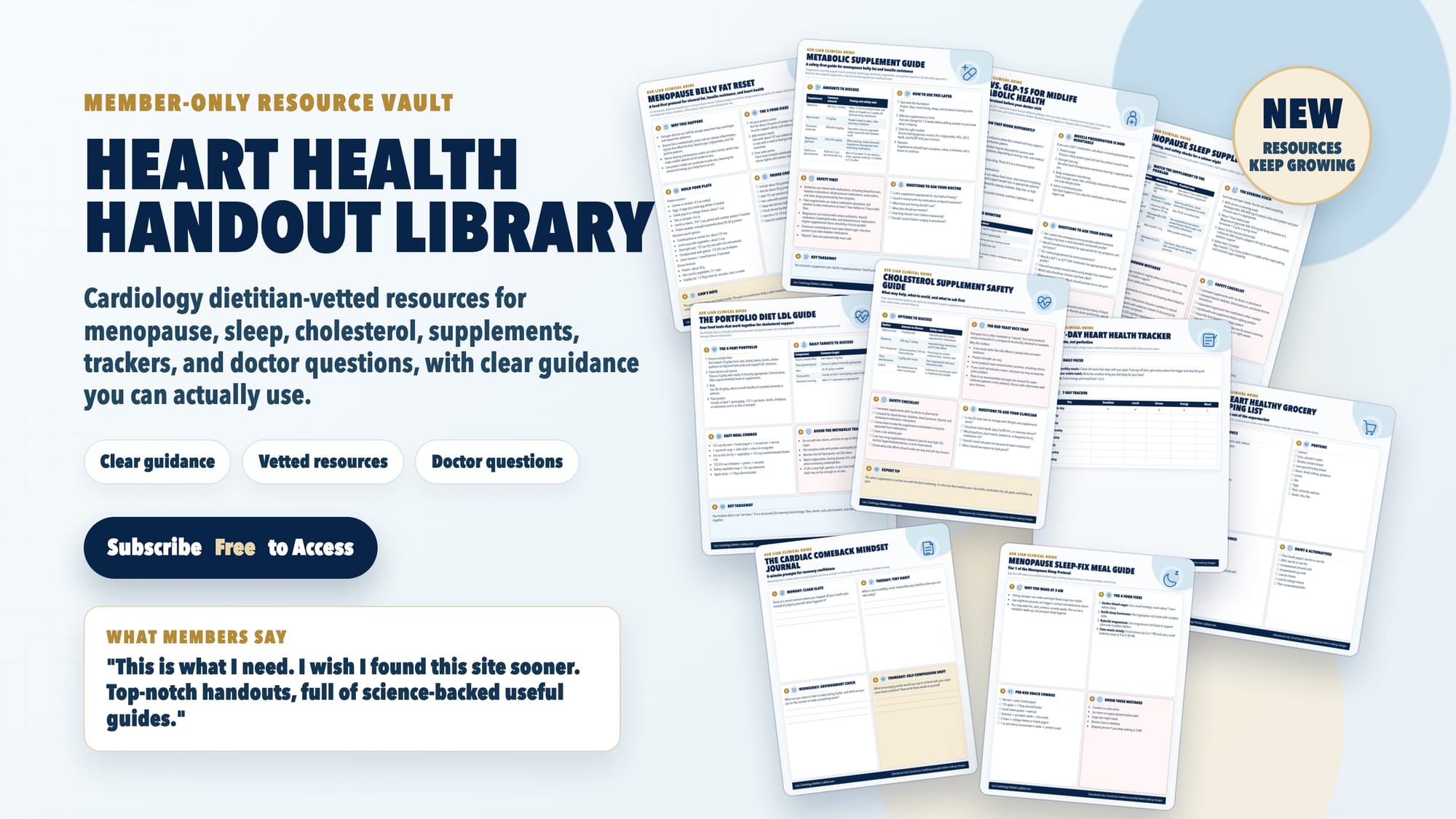
Download Vetted Clinical Handouts & Trackers
Get instant access to a growing library of evidence-based guides, food protocols, and symptom logs vetted by a cardiology dietitian. Access is completely free—simply subscribe to view.
Access Handout Library
Member discussion