Coffee and Beta Blockers: What Cardiac Patients Should Know About Timing
Coffee and Beta Blockers: What Cardiac Patients Should Know About Timing
Written by: Lian Liu, MPH, RD, CDCES | Specializing in Cardiac & Menopause Nutrition. Reviewed and updated: June 2026.
Key Takeaways
- Recent evidence shows morning is best: Studies in the European Heart Journal show that morning coffee consumption (between 4:00 a.m. and 11:59 a.m.) is linked to lower cardiovascular mortality, while all-day drinking loses this benefit.
- Keep it under the limit: You can safely consume up to 400 mg of caffeine daily (about 4-5 cups), but keep it under 300 mg if you have uncontrolled high blood pressure.
- Watch out for other morning interactions: While coffee doesn't directly block beta-blockers, taking your medication with orange juice or calcium supplements can severely decrease its absorption.
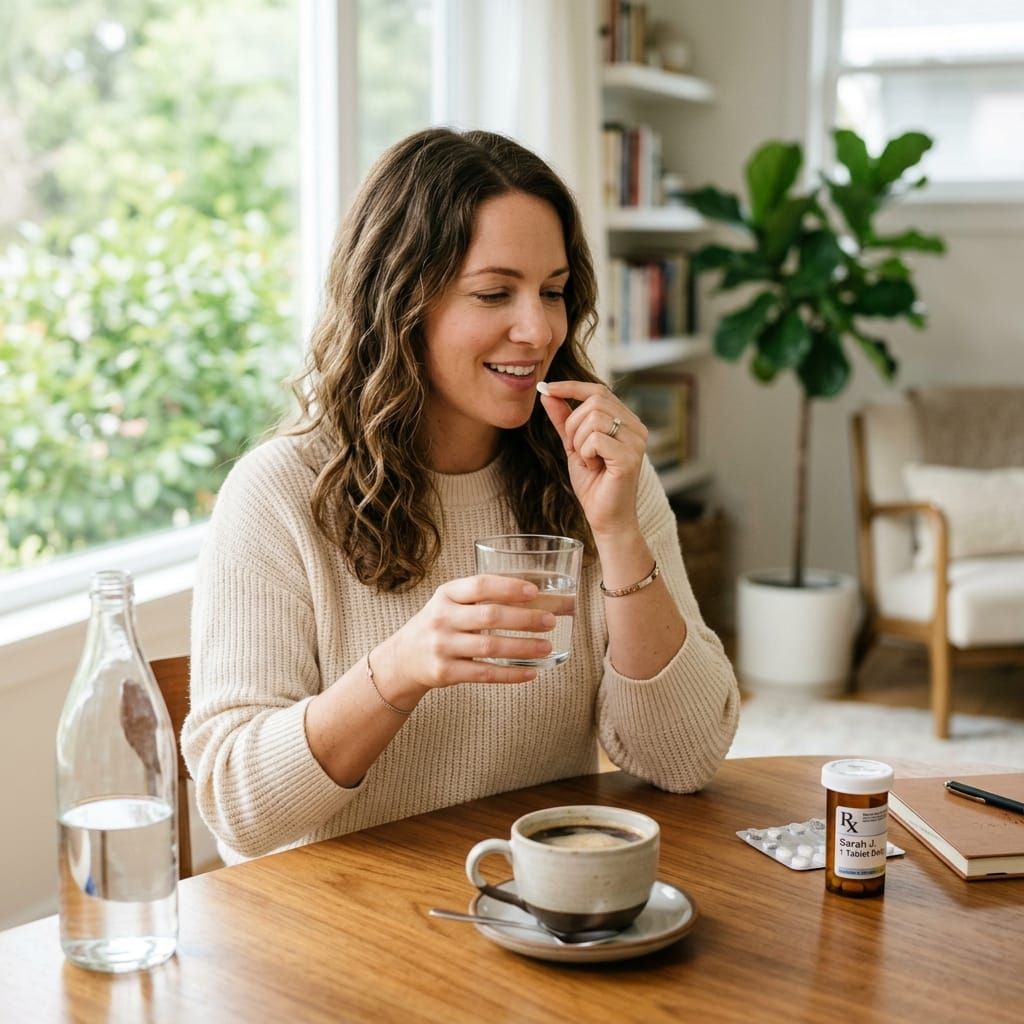
Mixing coffee and beta blockers is a daily reality for millions of cardiac patients. You wake up, pour a fresh cup of coffee, and reach for your morning heart medication. But as the caffeine hits your system, you might wonder: Are these two pulling my heart in opposite directions?
If you've recently survived a cardiac event or are managing high blood pressure, you don't necessarily have to give up your morning brew. Here is exactly what the clinical research says about timing, safety, and the real interactions you should avoid.
The Tug-of-War: Caffeine vs. Beta Blockers
Quick Answer: Caffeine and beta-blockers don't chemically interact, but they have opposite physiological effects. Caffeine stimulates your nervous system, while beta-blockers calm it down.
When you drink coffee, the caffeine acts as a central nervous system stimulant. It drives a "fight-or-flight" state in your body. On the flip side, beta-blockers (like metoprolol, atenolol, and carvedilol) are prescribed to block this exact response. They compete with adrenaline to bind to your beta receptors, actively lowering your heart rate, blood pressure, and the overall workload on your heart. Because of this, consuming caffeine actively stimulates the sympathetic nervous system pathways that your beta-blockers are trying to suppress.
When is the Best Time to Drink Coffee?
Quick Answer: The best time to drink coffee is between 4:00 a.m. and 11:59 a.m. Morning coffee patterns are associated with a lower risk of cardiovascular mortality, whereas all-day drinking provides no survival benefit.
While clinical guidelines do not provide a specific timeframe to separate your coffee from your beta-blocker pill, recent research highlights exactly when cardiac patients should drink coffee for maximum survival benefits. A "morning-type" coffee pattern is significantly associated with a lower risk of all-cause and cardiovascular disease-specific mortality compared to not drinking coffee at all. Conversely, an "all-day-type" pattern—where coffee consumption is spread across the morning, afternoon, and evening—showed no significant survival or cardiovascular benefit.
Safe Limits for Cardiac Patients
Quick Answer: The FDA and American Heart Association consider up to 400 mg of caffeine daily safe. However, if your blood pressure is uncontrolled, keep it under 300 mg.
Large meta-analyses show that moderate, habitual coffee consumption is not associated with an increased risk of arrhythmias. However, because people metabolize caffeine differently, high doses can trigger anxiety and rapid heartbeat. If you have uncontrolled high blood pressure, clinical guidelines recommend limiting your caffeine intake to prevent blood pressure spikes.
For women managing midlife cardiovascular changes, hormonal shifts can also impact how you metabolize caffeine and medication. If this applies to you, exploring our guide on menopause and insomnia can help you navigate these specific challenges.
What Interactions Should You Actually Avoid?
Quick Answer: While coffee is safe, orange juice and calcium supplements can decrease beta-blocker absorption. Take your medication 2 hours before or 6 hours after these items.
While coffee is not flagged for direct interactions with beta-blockers, other common morning items are. Calcium salts and orange juice can decrease your body's absorption of beta-blockers. If you consume these items at breakfast, you should stagger your medication. Additionally, patients on beta-blockers should completely avoid natural licorice.
Related Reading: Continue your recovery journey with our guide on The Ultimate Cardiac Rehab Wearable Comparison: Apple vs. Garmin.
Summary
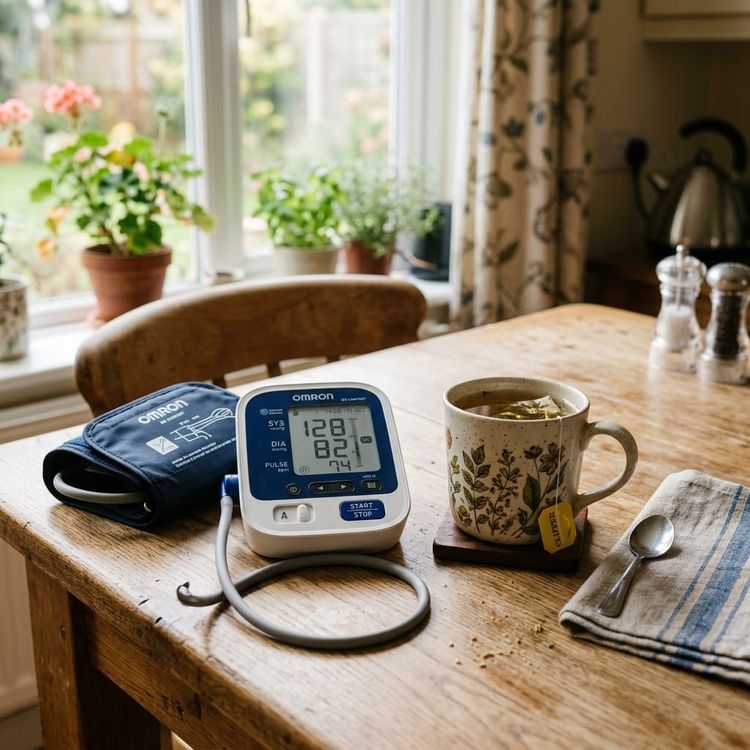
Balancing your coffee habit with your beta-blockers comes down to timing and moderation. Enjoy your morning cup, but keep an eye on your body's response. Tracking your heart rate and blood pressure at home can give you peace of mind when managing caffeine intake alongside your medication. You can grab my 7-Day Blood Pressure Tracker inside my Free Resource Library to make this easy. Using a reliable home device like the Withings BPM Connect ensures you have accurate data to share with your cardiologist.
Stay Ahead of Your Heart Health
Want to stay up-to-date with current science-backed nutrition tips to protect your cardiovascular future?
- Subscribe to the Newsletter: Get practical, clinical-strength tips on diet, labs, and lifestyle adjustments sent straight to your inbox.
- Get the Master Course: Secure immediate access to the Heart Disease Risk Reversal Master Course and start reversing your risk today. 👉 Join the Newsletter & Master Course here
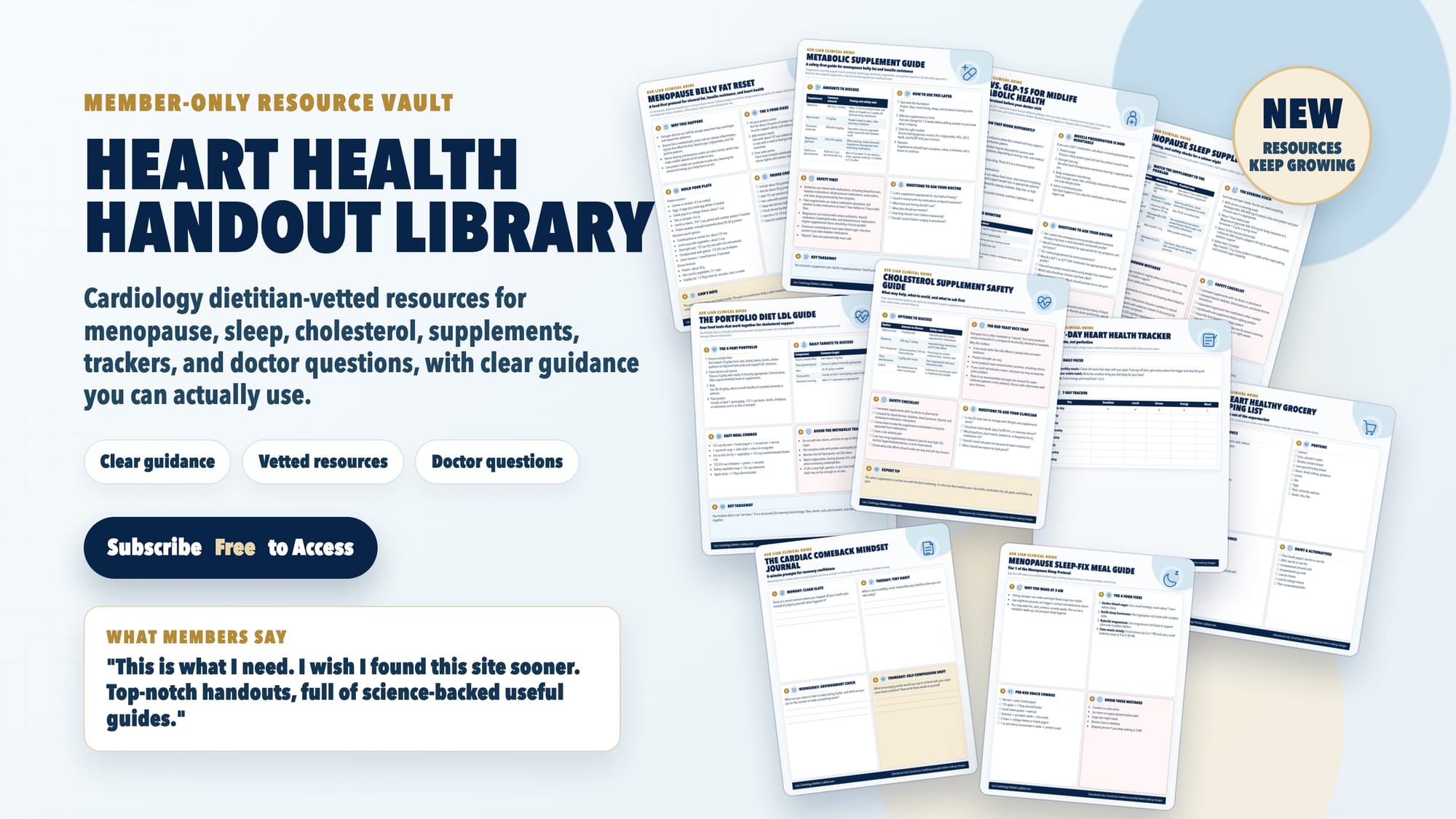
Download Vetted Clinical Handouts & Trackers
Get instant access to a growing library of evidence-based guides, food protocols, and symptom logs vetted by a cardiology dietitian. Access is completely free—simply subscribe to view.
Access Handout Library

Member discussion