
The Mediterranean Diet Explained: How It Protects Your Heart
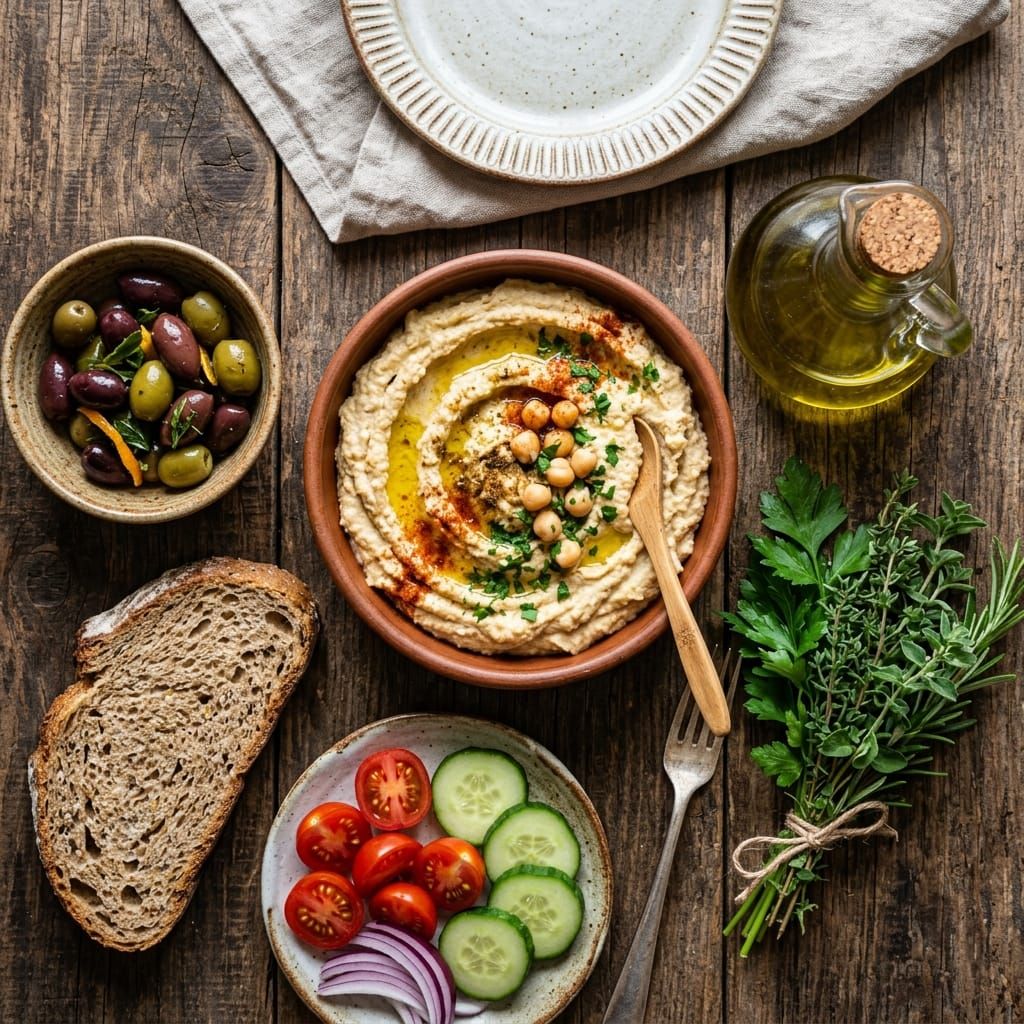
The Mediterranean Diet Explained: Why Cardiologists Recommend It Over Everything Else
Written by: Lian Liu, MPH, RD, CDCES | Specializing in Cardiac & Menopause Nutrition. Reviewed and updated: June 2026.
> Direct Answer: The Mediterranean diet protects the heart by emphasizing a nutrient-dense eating pattern rich in extra virgin olive oil, fatty fish, whole grains, and diverse plant-based foods like legumes and produce. Clinical evidence, including the PREDIMED study, demonstrates that this specific combination of nutrients can reduce major cardiovascular events by up to 30%.
If you ask ten cardiologists to name the single most protective eating pattern for the heart, nine of them will say the Mediterranean Diet. It's not a diet in the conventional sense — there's no calorie counting, no food elimination, no deprivation.
It's a way of eating that has kept populations with the lowest rates of heart disease in the world healthy for thousands of years.
Your Quick Takeaways:
- The PREDIMED study showed a 30% reduction in major cardiovascular events with Mediterranean eating.
- It's not just "no red meat" — the pattern as a whole is what creates the benefit.
- You don't have to be 100% compliant. The evidence says significant benefits appear at 70-80% adherence.
The 8 Pillars of the Mediterranean Diet
1. Olive Oil as the Primary Fat
Replace butter and vegetable oils with extra virgin olive oil for cooking and dressing. 3-4 tablespoons per day is the target, not a concern.
2. Abundant Plants at Every Meal
Vegetables, fruits, legumes, nuts, and seeds should fill most of your plate. Aim for 5+ servings of produce daily.
3. Whole Grains Over Refined
Farro, barley, whole wheat bread, brown rice — choose grains that still have their fiber intact.
4. Fish Twice a Week (or More)
Particularly fatty, omega-3-rich fish: salmon, mackerel, sardines, trout. Shrimp and shellfish are also excellent.
5. Legumes as a Primary Protein Source
Chickpeas, lentils, black beans, white beans — these are the protein backbone of the diet.
6. Moderate Dairy
Low-fat Greek yogurt and small amounts of cheese. Not eliminated, but not the focus.
7. Red Meat Rarely
A few times per month at most. When you do eat red meat, choose lean cuts.
8. Herbs and Spices Instead of Salt
Build flavor with garlic, oregano, basil, cumin, mint, and lemon juice — never the salt shaker.
Mediterranean vs. DASH: What's the Difference?
Both are evidence-based and excellent for cardiac patients. The main differences:
| Feature | Mediterranean | DASH |
|---|---|---|
| Focus | Anti-inflammatory, longevity | Blood pressure reduction |
| Fat | Higher (olive oil, nuts) | Lower fat overall |
| Sodium | Moderate reduction | Strict reduction (1,500-2,000mg) |
| Alcohol | Moderate wine allowed | Not specifically encouraged |
| Best for | Long-term lifestyle, cholesterol | Active blood pressure issues |
Many cardiac patients do best combining both: Use DASH for strict sodium limits, and Mediterranean for food choices and fat quality.
Starting Tomorrow
You don't need to overhaul your kitchen. Start with one change per week:
- Week 1: Switch from butter to olive oil.
- Week 2: Eat fish twice a week.
- Week 3: Replace one red meat meal per week with legumes.
- Week 4: Eat a Mediterranean salad as a meal once a week.
Your Mediterranean Shopping List
Download My Free Heart-Healthy Grocery Shopping List (Includes the foundational Mediterranean pantry staples to get started!)
🛒 Recommended Tools for this Step
(Note: Some of the links below are affiliate links, meaning I may earn a small commission at no extra cost to you. I only recommend products I trust for cardiac recovery.)
- Withings BPM Connect: A highly accurate, easy-to-use home blood pressure monitor that syncs data directly to your phone for your cardiologist.
- High-Quality Clinical Supplements: Access my Fullscript dispensary for practitioner-grade Omega-3s and Magnesium at a discount.
- Vitamix 5200 Blender: Perfect for building flavor with sodium-free dressings, cashew creams, and hearty soups.
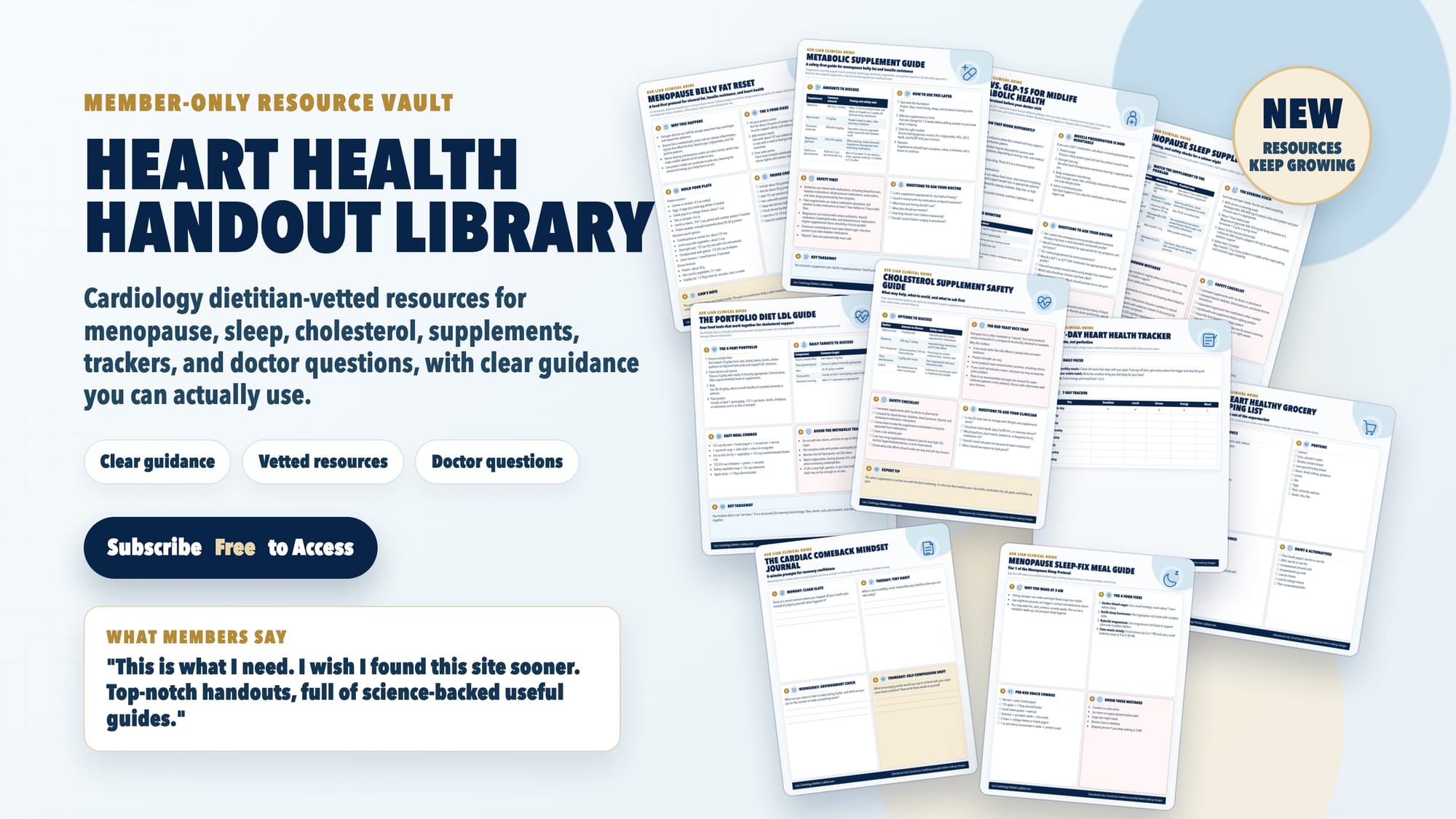
Download Vetted Clinical Handouts & Trackers
Get instant access to a growing library of evidence-based guides, food protocols, and symptom logs vetted by a cardiology dietitian. Access is completely free—simply subscribe to view.
Access Handout Library



Member discussion