Protein Shakes With Low Sodium: What Cardiac Patients Should Look For
Protein Shakes With Low Sodium: What Cardiac Patients Should Look For
Written by: Lian Liu, MPH, RD, CDCES | Specializing in Cardiac & Menopause Nutrition. Reviewed and updated: June, 2026.
> Direct Answer: When looking for protein shakes with low sodium, cardiac patients should prioritize unflavored or vanilla whey isolates that are third-party tested (like NSF Certified for Sport). Avoid chocolate flavors, which often contain higher levels of heavy metals like lead and cadmium, and strictly avoid shakes with added salt, sugar, or artificial additives.
Key Takeaways
- The 1,500mg Limit: The American Heart Association recommends that cardiac patients restrict total daily sodium to 1,500 mg to lower blood pressure and reduce the workload on the heart.
- Check for Third-Party Testing: Always select protein powders carrying a reputable third-party certification (e.g., NSF Certified for Sport or the Clean Label Project) to ensure they are free of dangerous heavy metal contamination.
- Avoid Chocolate Flavors: Because cacao naturally absorbs heavy metals from the soil, chocolate-flavored protein powders can contain significantly higher levels of cadmium and lead compared to vanilla or unflavored varieties.
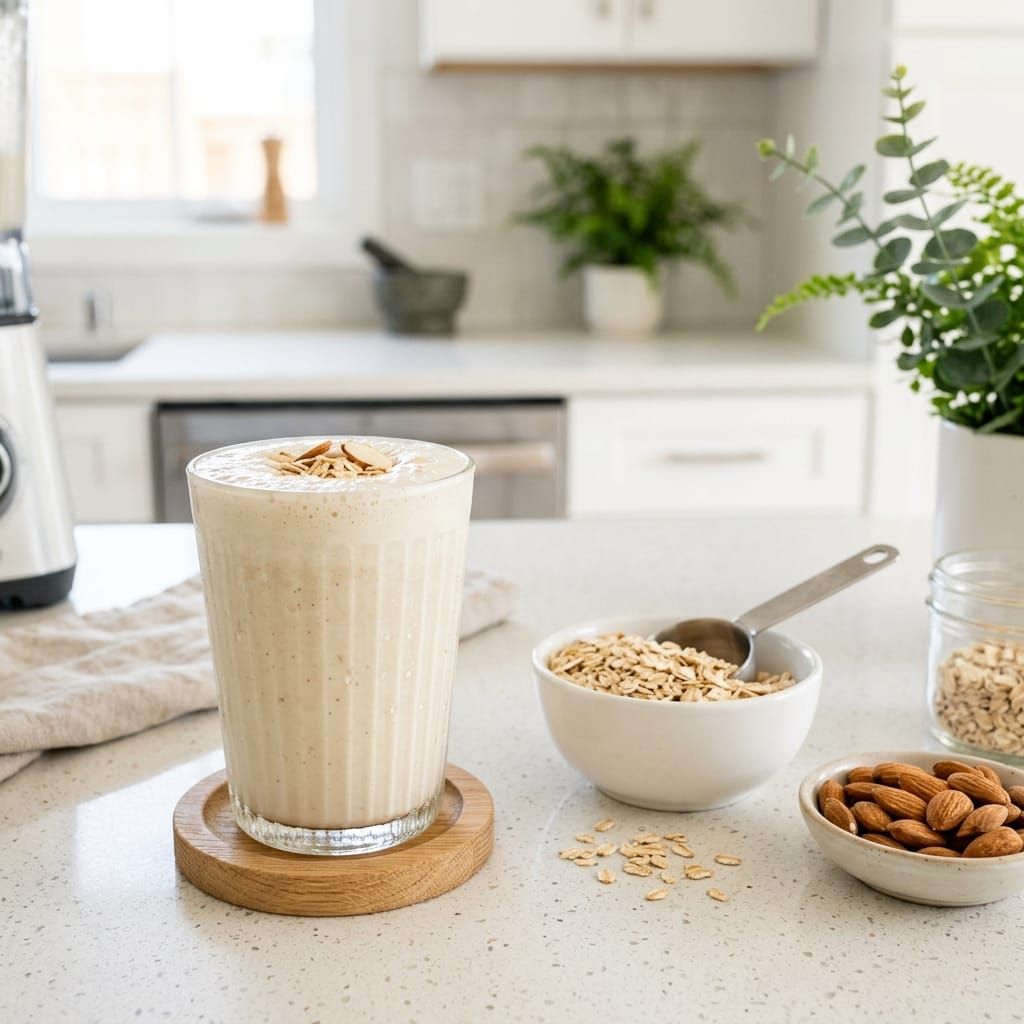
Finding protein shakes with low sodium shouldn’t feel like navigating a minefield. Following a cardiovascular event, managing your blood pressure is a critical part of your recovery. While getting protein from whole foods like lentils, beans, and fish is ideal, there are days when a protein shake is simply the most practical option—especially if you're struggling with appetite or recovering from a procedure.
However, many commercial protein powders are loaded with hidden sodium, artificial sweeteners, and worse, heavy metal contaminants. If you are actively working to protect your arteries, the last thing you want is a "health" supplement that secretly spikes your blood pressure or introduces toxic elements into your body.
Here is exactly what you need to look for when selecting a low-sodium protein powder.
Why Controlling Sodium Matters for Your Heart
Controlling sodium is a cornerstone of cardiovascular disease management and recovery. When you consume excess sodium, your body retains fluid. This extra fluid increases the overall volume of blood circulating through your bloodstream.
More blood volume forces your heart to work much harder to pump, putting excessive pressure on your arterial walls. Over time, this uncontrolled high blood pressure can cause irreversible damage to your arteries, heart, and kidneys.
While the American Heart Association recommends most adults stay under 2,300 mg of sodium per day, the ideal target for cardiac patients and those with high blood pressure is a strict 1,500 mg per day. Hitting this target has been clinically shown to successfully lower blood pressure by 5 to 6 mm Hg. This is why scrutinizing your protein shake label is so vital.
The Red Flags in Protein Supplements
The supplement industry is loosely regulated, which means what’s on the front of the label doesn't always match what’s inside the tub. When selecting a protein powder, watch out for these major red flags:
1. Heavy Metal Contamination
A massive "red flag" in the protein powder industry is heavy metal contamination. A major study by the Clean Label Project tested over 160 top-selling protein powders and found that 47% exceeded strict safety thresholds for toxic heavy metals, including lead, cadmium, arsenic, and mercury. These metals bioaccumulate in the body and are highly toxic to your cardiovascular and nervous systems.
Surprisingly, organic plant-based proteins (like pea and soy) were found to be the most contaminated, often containing five times more cadmium than whey-based counterparts.
2. Chocolate Flavors
If you love chocolate protein shakes, you may want to reconsider. The same Clean Label Project study found that chocolate-flavored protein powders contained, on average, 4 times more lead and up to 110 times more cadmium than vanilla flavors. The cacao plant naturally absorbs heavy metals from the soil and water. Stick to vanilla or unflavored varieties to minimize your exposure.
3. Hidden Vitamin K (For Patients on Blood Thinners)
If you take the blood thinner warfarin (Coumadin), you must be highly cautious with ready-to-drink meal replacement shakes. Many of these products contain over 20% of your recommended daily intake for Vitamin K, which can dangerously interact with warfarin and decrease its ability to prevent blood clots.
The Best Types of Protein for Cardiac Patients
When it comes to finding the safest, lowest-sodium protein powder, the source of the protein matters just as much as the flavor.
| Protein Source | Contamination Risk | Recommendation |
|---|---|---|
| Whey Isolate | Lowest | Best Choice. Look for unflavored or vanilla, and third-party tested. |
| Plant-Based (Pea/Soy) | Highest | Caution. Often higher in natural heavy metals. Must be strictly third-party tested. |
| Collagen | Low | Good Option. Lacks all essential amino acids, but generally safe and clean. |
The Clean Label Project concluded that whey-based or collagen-based protein powders consistently demonstrate the lowest levels of heavy metal contaminants.
Cardiac-Approved Low-Sodium Protein Recommendations
If you need a reliable, third-party tested protein powder, here are a few excellent options that prioritize purity and keep sodium levels in check:
- Puori PW1 Bourbon Vanilla Whey: This holds a Clean Label Project Purity Award and is widely considered one of the cleanest whey proteins on the market.
- Thorne Whey Protein Isolate: NSF Certified for Sport, making it a medical-grade choice trusted by professionals.
- NOW Foods Whey Isolate: An excellent, budget-friendly option that is also NSF Certified and completely unflavored.
Related Reading: For a comprehensive look at managing your sodium intake, read our complete guide on how to read a nutrition label for sodium.
Summary
When adding a protein shake to your cardiac recovery routine, treat it with the same scrutiny you would any medication. Your focus should be on finding protein shakes with low sodium that are completely free of artificial additives, hidden sugars, and heavy metals. By choosing a third-party tested, vanilla-flavored whey isolate—such as Puori PW1 Bourbon Vanilla Whey—you can support your muscle health without compromising your blood pressure or your heart.
Free Resources & Further Reading
To help you find the best low-sodium protein shakes and other heart-healthy foods, download our free Heart-Healthy Grocery List from the Free Resource Library. For a deeper dive into building a resilient heart-healthy lifestyle, check out the Cardiac Comeback Book.
Stay Ahead of Your Heart Health
Want to stay up-to-date with current science-backed nutrition tips to protect your cardiovascular future?
- Subscribe to the Newsletter: Get practical, clinical-strength tips on diet, labs, and lifestyle adjustments sent straight to your inbox.
- Get the Master Course: Secure immediate access to the Heart Disease Risk Reversal Master Course and start reversing your risk today. 👉 Join the Newsletter & Master Course here
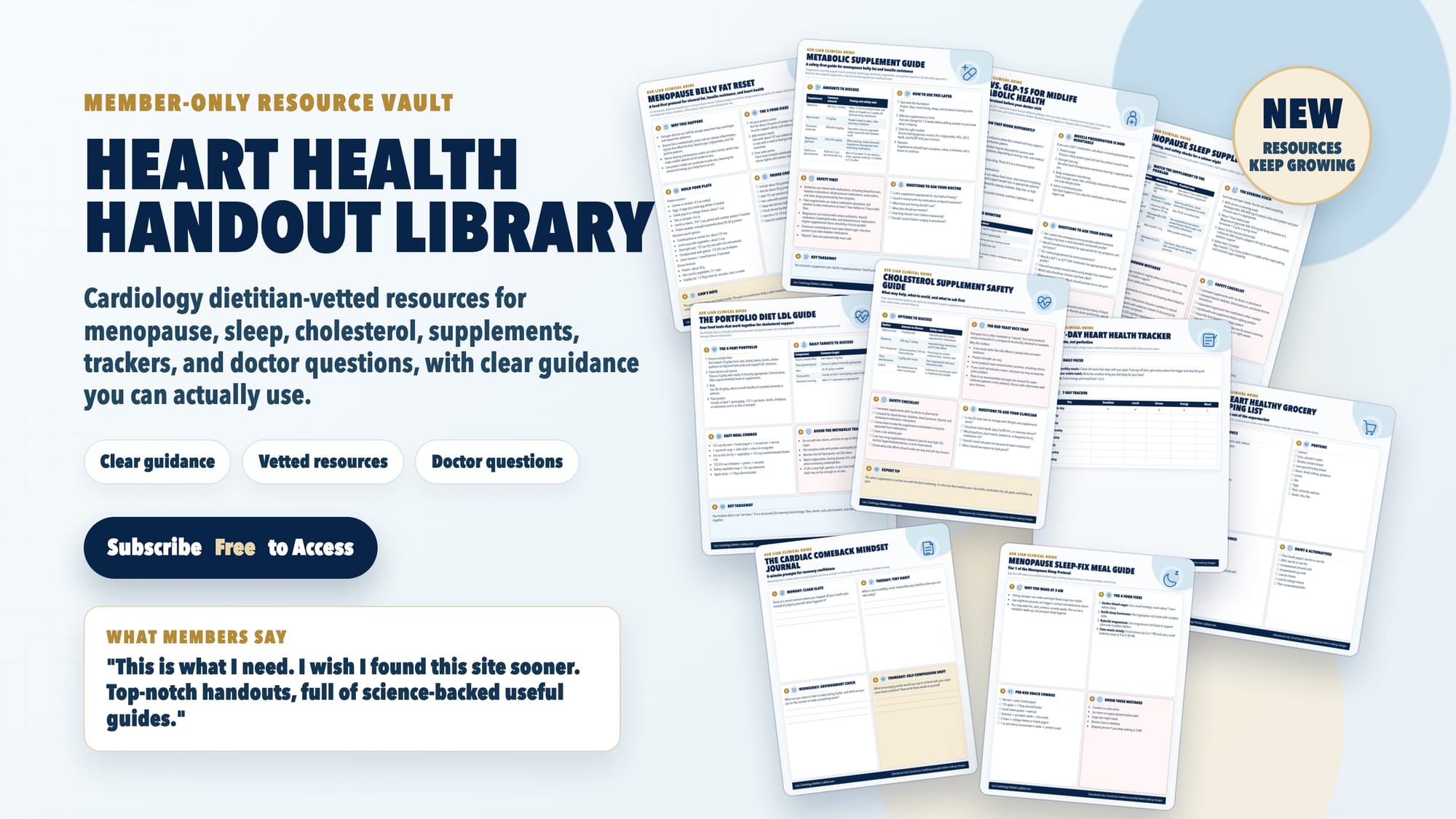
Download Vetted Clinical Handouts & Trackers
Get instant access to a growing library of evidence-based guides, food protocols, and symptom logs vetted by a cardiology dietitian. Access is completely free—simply subscribe to view.
Access Handout Library

Member discussion