
Diet After Heart Attack Stent: Foods That Protect Your New Hardware
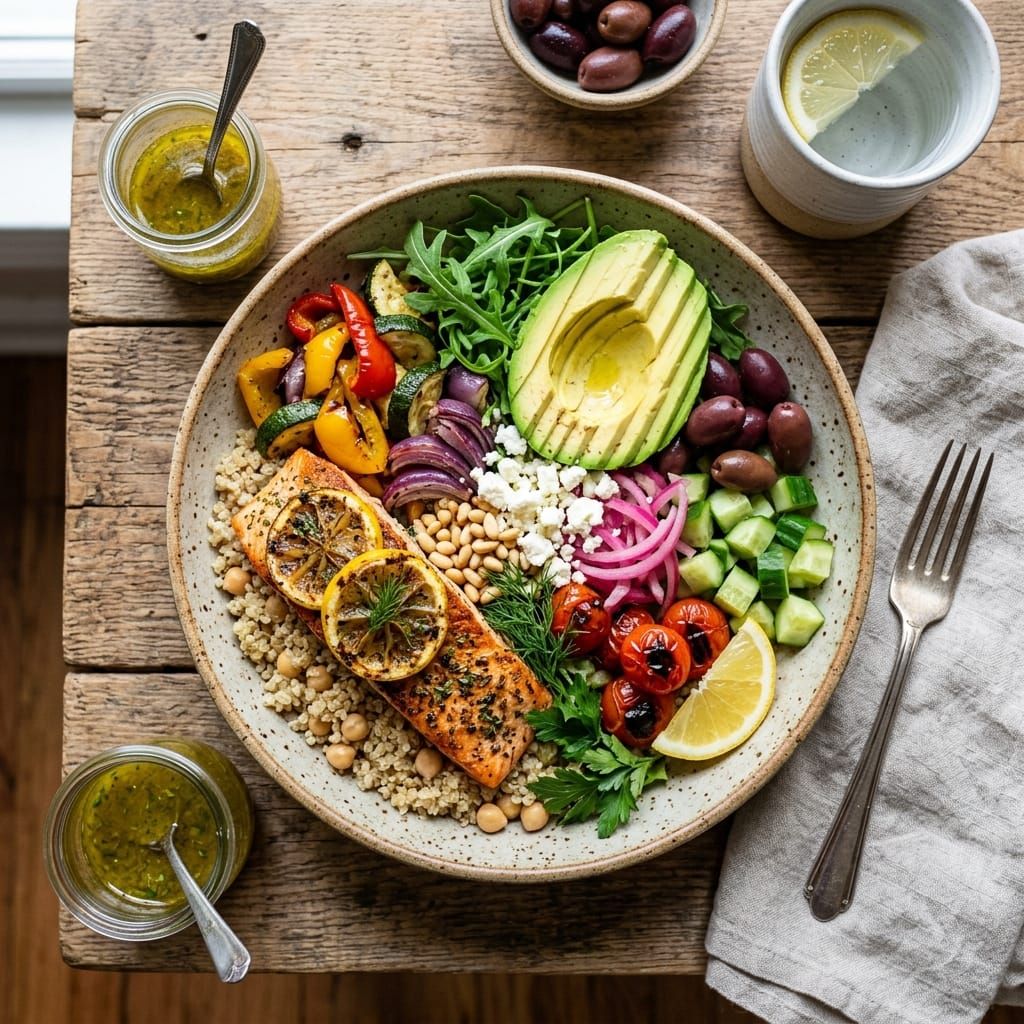
Diet After Heart Attack Stent: Foods That Protect Your New Hardware
Written by: Lian Liu, MPH, RD, CDCES | Specializing in Cardiac & Menopause Nutrition. Reviewed and updated: June, 2026.
> Direct Answer: A diet after heart attack stent placement should focus on additive nutrition that promotes endothelial healing and manages LDL cholesterol. Prioritize high-soluble-fiber foods like oats and beans, omega-3s from fatty fish, and colorful vegetables, while limiting excess sodium and saturated fat to keep your new hardware clear and functioning optimally.
Key Takeaways
- Clinical Evidence: A Mediterranean-style dietary pattern rich in omega-3 fatty acids and soluble fiber is clinically shown to improve endothelial function and reduce the risk of restenosis (re-narrowing of the artery) following stent placement.
- Action Item: Add one half-cup of soluble fiber-rich legumes (like black beans, chickpeas, or lentils) and a fist-sized serving of dark leafy greens to your main meal today.
- Safety Consideration: If your new medication regimen includes specific blood thinners (like warfarin), keep your intake of vitamin K-rich leafy greens consistent day-to-day, rather than eliminating them entirely.
Disclosure: This post may contain affiliate links. As an Amazon Associate, I earn from qualifying purchases.
Figuring out your diet after heart attack stent placement can feel like navigating a minefield. You've just come home from the hospital with a small metal mesh tube—your new hardware—keeping your artery open. Suddenly, every meal feels like a high-stakes decision. You might be staring at your pantry, wondering if the foods you used to love are now off-limits, or feeling overwhelmed by a rigid list of restrictions.
The good news is that protecting your stent doesn't mean eating cardboard. Instead of focusing entirely on what you have to cut out, the most effective approach is "additive nutrition." By strategically adding foods that calm inflammation and heal the delicate inner lining of your blood vessels (the endothelium), you actively protect your new hardware and significantly reduce the risk of future cardiac events.
Let's break down exactly what to add to your plate to keep your arteries flexible, clear, and resilient.
> Need help with meal planning? Access my Free Resource Library to download a heart-healthy grocery list and 7-Day Tracker to make this transition simple and stress-free.
What are the best foods to protect your new stent?
To keep your stent open and functioning perfectly, your body needs specific nutrients that act like an internal maintenance crew. Your primary goals are to lower LDL cholesterol, reduce systemic inflammation, and support the healing of the artery wall where the stent was placed.
High-Soluble Fiber Powerhouses
Soluble fiber acts like a sponge in your digestive tract, binding to cholesterol and pulling it out of your body before it can enter your bloodstream. This is a critical mechanism for keeping your arteries clear.
| Food Category | Top Choices | Daily Target | Why It Works |
|---|---|---|---|
| Legumes | Black beans, lentils, chickpeas, edamame | 1/2 cup cooked | Rich in both soluble fiber and plant-based protein, which helps replace higher-saturated-fat meats. |
| Whole Grains | Steel-cut oats, barley, quinoa, farro | 1/2 cup cooked | Beta-glucan in oats directly lowers LDL cholesterol levels. |
| Fruits | Apples, pears, berries, citrus fruits | 2 servings | The pectin in these fruits is a highly effective form of soluble fiber. |
Omega-3 Rich Proteins
Omega-3 fatty acids are essential for reducing inflammation and preventing the blood from becoming too "sticky," which reduces the risk of clots forming around your new stent.
- Wild-Caught Salmon and Sardines: These are premium sources of EPA and DHA, the most readily absorbed forms of omega-3s. Aim for two servings of fatty fish per week. (Note: While dietary fish is excellent, if your cardiologist recommends supplementation, strictly ask about prescription purified EPA (icosapent ethyl) rather than generic over-the-counter fish oil.)
- Plant-Based Omegas: Walnuts, chia seeds, and ground flaxseed provide ALA, a plant-based omega-3. Sprinkle a tablespoon of ground flaxseed on your morning oats for a quick, protective boost.
What should you limit to prevent stent blockage?
While we focus on adding protective foods, it's equally important to minimize elements that directly irritate the endothelium or drive up LDL cholesterol and blood pressure.
- Saturated Fats: Limit high-fat dairy, butter, and fatty cuts of red meat. These directly contribute to plaque buildup. Swap butter for extra virgin olive oil, which is rich in heart-healthy monounsaturated fats.
- Excess Sodium: High sodium intake raises blood pressure, putting mechanical stress on the artery walls and your new stent. Limit heavily processed meals, canned soups, and restaurant foods.
- Refined Carbohydrates: White bread, sugary pastries, and sugar-sweetened beverages spike insulin and drive inflammation. Replace these with complex, fiber-rich carbohydrates that provide steady, slow-burning energy.
Related Reading: For a deeper dive into endothelial healing, read our complete Guide to Endothelial Healing After a Stent.
For a complete, step-by-step roadmap to rebuilding your life, check out my book, Cardiac Comeback.
Summary
Navigating a diet after heart attack stent placement is not about punishment; it’s about giving your body the exact tools it needs to heal. By focusing on a Mediterranean-style pattern—loading up on colorful vegetables, soluble fiber from beans and oats, and heart-healthy omega-3s—you can eat deliciously while actively protecting your new hardware.
If you're looking for an easy way to prepare meals without spending hours in the kitchen, consider investing in a high-quality air fryer like the Ninja Max to quickly roast vegetables and fish with minimal added fats. Small, consistent additions to your plate today are the foundation of your long-term cardiac comeback.
Stay Ahead of Your Heart Health
Want to stay up-to-date with current science-backed nutrition tips to protect your cardiovascular future?
- Subscribe to the Newsletter: Get practical, clinical-strength tips on diet, labs, and lifestyle adjustments sent straight to your inbox.
- Get the Master Course: Secure immediate access to the Heart Disease Risk Reversal Master Course and start reversing your risk today. 👉 Join the Newsletter & Master Course here
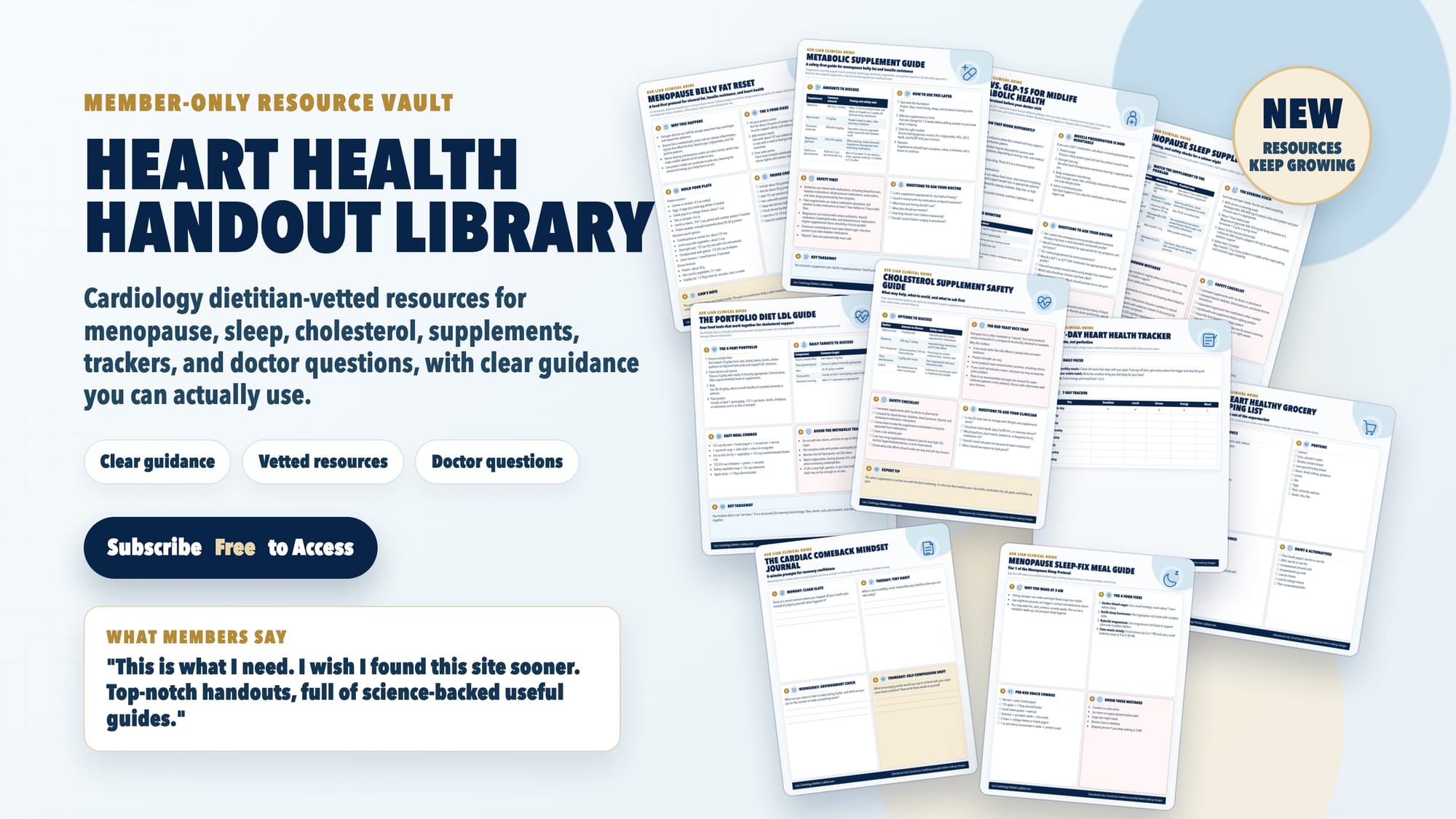
Download Vetted Clinical Handouts & Trackers
Get instant access to a growing library of evidence-based guides, food protocols, and symptom logs vetted by a cardiology dietitian. Access is completely free—simply subscribe to view.
Access Handout Library



Member discussion