
Juicing for Blood Pressure Recipes: Heart-Healthy Blends That Actually Work
Juicing for Blood Pressure Recipes: Heart-Healthy Blends That Actually Work
Written by: Lian Liu, MPH, RD, CDCES | Specializing in Cardiac & Menopause Nutrition. Reviewed and updated: June, 2026.
> Direct Answer: The safest juicing for blood pressure recipes are actually blended smoothies, not traditional extracted juices. Blending retains essential dietary fiber that slows sugar absorption. While green leafy vegetables and beets are excellent for naturally lowering blood pressure, patients on cardiac medications or fluid restrictions must carefully monitor portion sizes and potassium levels to prevent dangerous interactions.
Key Takeaways
- Retain the Fiber: Blending whole vegetables and fruits preserves the fibrous bonds that release nitric-oxide-boosting dietary nitrates, unlike traditional juicing which strips fiber away.
- Watch Your Potassium: High-potassium ingredients like bananas, spinach, and tomatoes can cause dangerous potassium spikes if you take ACE inhibitors, ARBs, or mineralocorticoid receptor antagonists.
- Check Your Meds: Grapefruit and pomegranate juices can inhibit liver enzymes (cytochrome P450), leading to toxic drug accumulation and muscle breakdown if you take statin medications.
If you are recovering from a heart event, you've probably heard that increasing your fruit and vegetable intake is the fastest way to improve your vascular health. For many of my patients, drinking their greens feels like the easiest, lowest-friction way to get those nutrients in. They go online, search for juicing for blood pressure recipes, and start throwing every green thing they can find into an extractor.
But here is the truth that most wellness blogs leave out: for cardiac patients, liquid nutrition comes with a specific set of rules. Between fluid restrictions, medication interactions, and potassium limits, a "healthy" juice can quickly become a clinical problem if you aren't careful.
Let's break down how to safely drink your nutrients without jeopardizing your recovery.
Why Blending is Better Than Traditional Juicing
When you extract juice, you strip away the fibrous matrix of the plant. That fiber is crucial—not just for digestion, but for your heart. Chewing whole foods or blending them into smoothies helps break down fibrous bonds, releasing dietary nitrates. These nitrates are converted by your body into nitric oxide, which naturally dilates blood vessels and lowers your blood pressure.
Action Item: Instead of using a juice extractor, use a high-powered blender. You keep the fiber, slow down the sugar absorption, and get a more sustained release of those beneficial nitrates.
Navigating Fluid Restrictions and Heart Failure
If you are a post-stent patient with normal heart function, you generally don't need to worry about fluid volume. But if you have chronic symptomatic heart failure with persistent congestion, you might be on a strict fluid restriction.
Large smoothies and liquid calories require extreme caution when you are on a fluid cap. A 24-ounce smoothie can consume more than a third of your daily fluid allowance without making you feel satiated or full. Always measure the liquid base of your smoothies and count it toward your daily total.
The Hidden Danger of Potassium Spikes
Potassium is fantastic for lowering blood pressure in a healthy population. It helps your kidneys flush out excess sodium. However, many of the most popular smoothie ingredients—bananas, oranges, spinach, and tomatoes—are very high in potassium.
If you are taking heart failure medications like ACE inhibitors, ARBs, or mineralocorticoid receptor antagonists, your kidneys are already holding onto potassium. Adding high-potassium juices on top of these medications puts you at high risk for hyperkalemia (dangerously high potassium levels in the blood), which can trigger dangerous heart rhythms. If your lab work shows your potassium runs high, you must modify your ingredients to lower-potassium alternatives like apples or cucumbers.
Medication Interactions You Cannot Ignore
Before you blend a single ingredient, you must check your prescription list.
Both grapefruit and pomegranate juice inhibit the cytochrome P450 enzyme in your liver. This enzyme is responsible for metabolizing about 75% of all drugs. Combining these juices with statin cholesterol medications (like rosuvastatin or atorvastatin) can cause toxic levels of the drug to accumulate in your bloodstream. This significantly increases your risk of severe muscle breakdown, a condition known as rhabdomyolysis.
> Free Resource: Before you dive into these recipes, grab the free 7-Day DASH Diet Grocery List from my Free Resource Library to make shopping for these heart-healthy ingredients effortless!
3 Heart-Healthy Juicing for Blood Pressure Recipes
If you want to incorporate blended drinks safely, here are three low-sodium, nutrient-dense recipes tailored from clinical guidelines.
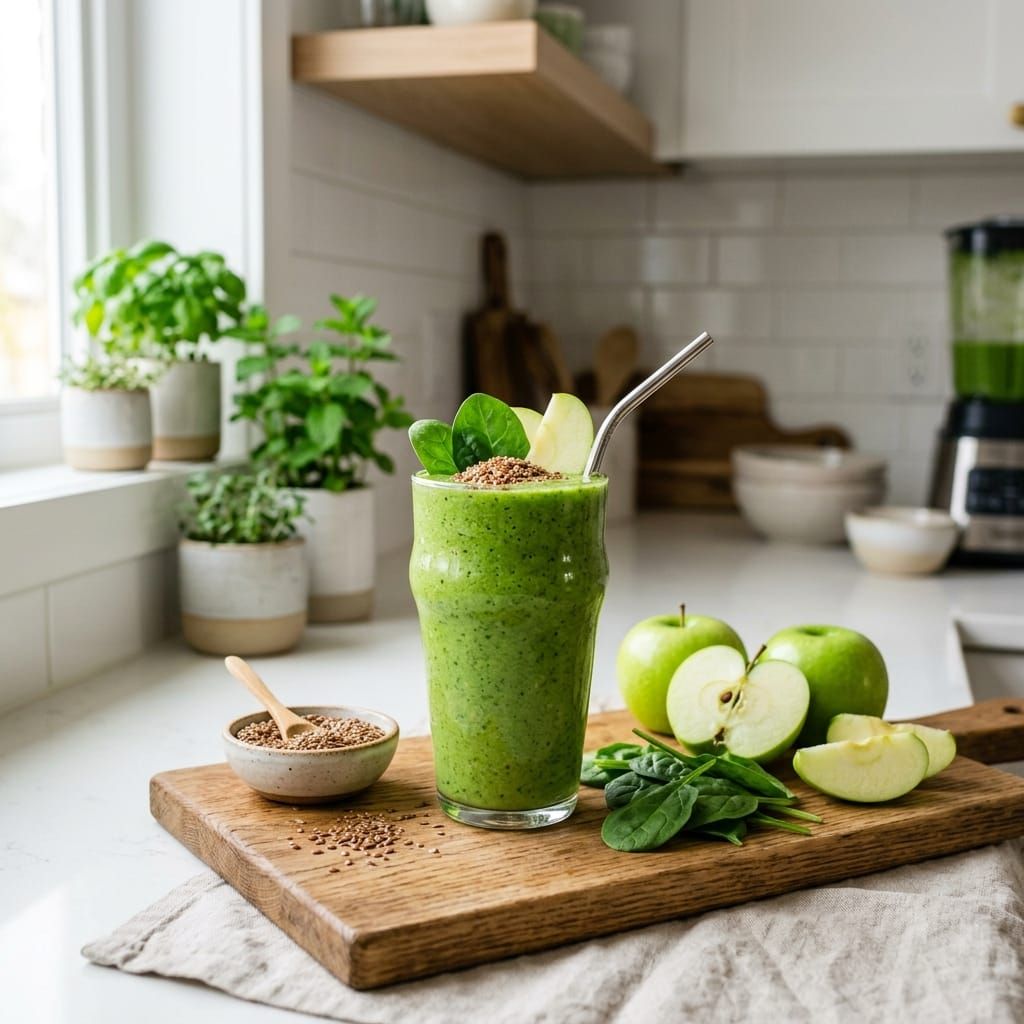
1. Mean Green Morning Juice
This is a low-calorie, nutrient-dense blended smoothie that focuses on nitrate-rich greens without overloading the sugar.
| Ingredient | Measurement |
|---|---|
| Granny Smith apples (cored/chopped) | 2 small |
| Fresh baby spinach | 3 cups |
| Fresh lime juice | 1 lime |
| Flaxseed | 2 teaspoons |
| Ice | 2 cubes |
Instructions: Put apples, spinach, lime juice, and flaxseed in a blender. Add ice cubes and blend for about 1 minute until smooth. Add a splash of water as needed to adjust the texture. (Serves 2)
2. Cucumber Lime Agua Fresca
A refreshing, low-sugar alternative that is naturally lower in potassium than traditional fruit smoothies.
| Ingredient | Measurement |
|---|---|
| Cucumber chunks (peeled/seeded) | 4 cups |
| Cold water | 2 cups |
| Fresh lime juice | ¼ cup + 2 tbsp |
| Chilled 100% apple juice | 1 cup |
| Chilled seltzer water | 3 cups |
Instructions: Blend cucumber, 2 cups of water, and lime juice until smooth. Use a fine-mesh strainer to strain the mixture into a pitcher, discarding the solids. Stir in the apple juice and seltzer water, and serve over ice. (Serves 8)
3. Carrot Cake Smoothie
This provides the sweetness of a treat without the saturated fat or added sugar.
| Ingredient | Measurement |
|---|---|
| Unsweetened almond milk | ½ cup |
| Carrot (thinly sliced) | 1 small |
| Chopped walnuts | 1 tablespoon |
| Frozen pineapple chunks | ⅓ cup |
| Fat-free cream cheese | 1 tablespoon |
| Cinnamon | ¼ teaspoon |
| Chopped fresh spinach | 2 tablespoons |
| Nutmeg | A dash |
Instructions: Blend the milk, carrot, and walnuts until smooth. Add pineapple, cream cheese, and cinnamon and blend again. Add the spinach and pulse until finely chopped. Sprinkle with nutmeg before serving. (Serves 1)
Related Reading: For more ways to enjoy flavorful, low-sodium meals without spiking your blood pressure, read our DASH Diet Guide to Flavor Without Salt.
Summary
Blending your greens is a powerful, low-friction way to feed your endothelium the dietary nitrates it needs to lower blood pressure. However, it requires a strategic approach. You have to monitor your fluid limits, watch your potassium load if you're on ACE inhibitors, and completely avoid grapefruit or pomegranate if you're on a statin.
If you are looking to upgrade your setup so you can actually blend these tough fibrous greens without leaving chunks behind, high-speed blenders like the Vitamix 5200 are non-negotiable. Using a weak extractor leaves the best part of the plant in the trash. Switch to a true blender and get the full vascular benefit.
Stay Ahead of Your Heart Health
Want to stay up-to-date with current science-backed nutrition tips to protect your cardiovascular future?
- Subscribe to the Newsletter: Get practical, clinical-strength tips on diet, labs, and lifestyle adjustments sent straight to your inbox.
- Get the Master Course: Secure immediate access to the Heart Disease Risk Reversal Master Course and start reversing your risk today. 👉 Join the Newsletter & Master Course here
Download Vetted Clinical Handouts & Trackers
Get instant access to a growing library of evidence-based guides, food protocols, and symptom logs vetted by a cardiology dietitian. Access is completely free—simply subscribe to view.
Access Handout Library
Member discussion