How to Set Up a Heart-Healthy Kitchen: Your Cardiac Pantry Guide
How to Set Up a Heart-Healthy Kitchen (Your Cardiac Pantry Guide)
Written by: Lian Liu, MPH, RD, CDCES | Specializing in Cardiac & Menopause Nutrition. Reviewed and updated: June 2026.
> Direct Answer: To create a heart-healthy kitchen, replace high-sodium processed items with nutrient-dense "heart-hero" staples such as whole grains, lean proteins, and healthy fats like extra virgin olive oil. By stocking your pantry with spices and herbs instead of salt-heavy seasonings, you utilize choice architecture to make cardiovascularly beneficial choices the easiest option for every meal.
You can have the best intentions in the world, but if your kitchen is stocked with the wrong ingredients, you will eventually cave and cook the wrong things. Your environment is more powerful than your willpower.
This post is about designing a kitchen where the healthy choice is also the easy choice — what BJ Fogg calls "Choice Architecture." In The Cardiac Comeback, I show you how to engineer this architecture into your home so you never have to "willpower" your way through a meal again.
Your Quick Takeaways:
- What you keep at eye level in your pantry and fridge is what you will eat.
- A well-stocked spice rack is the most underrated heart-health tool you own.
- The right kitchen equipment makes low-sodium cooking effortless.
Step 1: The Great Purge
Remove these items (or rotate them out as you finish them):
- Canned soups: Often contain 800mg+ of sodium per serving.
- Seasoning packets / bouillon cubes: The biggest hidden sodium bombs.
- Bottled dressings and sauces: Full of sodium, sugar, and seed oils.
- Processed snacks: Crackers, chips, pretzels — all sodium delivery systems.
- White bread and pasta: Replace with whole-grain alternatives.
Step 2: Stock Your Heart-Hero Pantry
Grains & Legumes:
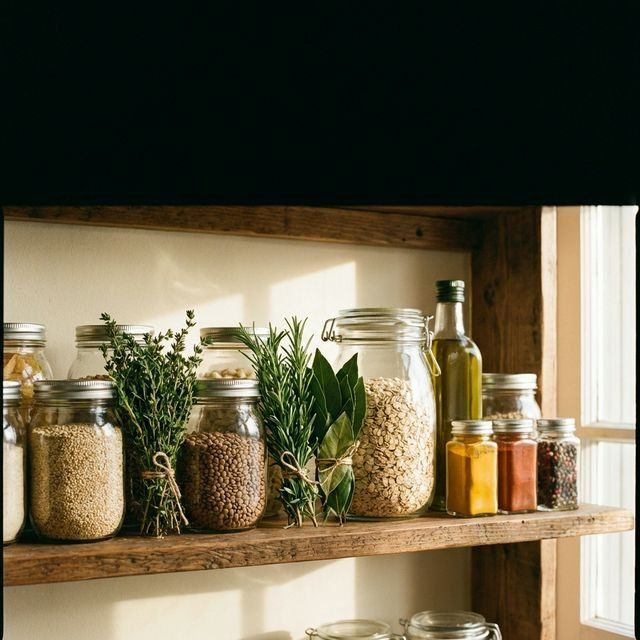
- Rolled oats, farro, quinoa, brown rice, whole-wheat pasta
- Canned or dried lentils, chickpeas, black beans (look for no-salt-added cans)
Heart-Healthy Fats & Proteins:
- Extra virgin olive oil, avocado oil
- Canned wild salmon, canned tuna packed in water (low sodium)
- Raw or unsalted nuts: walnuts, almonds, pistachios
Flavor Without Salt:
- Apple cider vinegar, balsamic vinegar, rice wine vinegar
- Low-sodium soy sauce or liquid coconut aminos
- Nutritional yeast (for a cheesy, umami flavor)
- Garlic powder, onion powder, smoked paprika, cumin, turmeric, coriander
Produce (Fresh or Frozen):
- Leafy greens, broccoli, bell peppers, tomatoes, beets
- Berries, citrus fruits, avocados, apples
Step 3: The 5 Essential Kitchen Tools
- Instant Read Thermometer: Nail perfect chicken and fish every time without overcooking (which makes healthy food taste terrible).
- Sheet Pan + Parchment Paper: Enables hands-off, oil-minimal roasting with no cleanup.
- High-Quality Skillet (Stainless or Cast Iron): Sear vegetables and proteins without needing excessive oil.
- Immersion Blender: Blend no-sodium soups directly in the pot.
- Mason Jars: Meal prep overnight oats, store leftover grains, shake dressings.
The Fridge Architecture Rule
Place heart-healthy foods at eye level in your refrigerator. When you open the fridge hungry:
- Eye level: Pre-washed veggies, hummus, leftover whole grains, low-fat yogurt.
- Drawer: Fruits (accessible, but one step away).
- Bottom shelf: Items that require more prep time.
Your Complete Shopping Guide
Download My Free Heart-Healthy Grocery Shopping List (Everything you need to stock your cardiac pantry from Day 1!)
🛒 Recommended Tools for a Healthy Heart
(Note: Some of the links below are affiliate links, meaning I may earn a small commission at no extra cost to you. I only recommend products I trust for cardiac recovery.)
- The Cardiac Comeback: The definitive guide to building a heart-hero kitchen.
- Vitamix 5200 Blender: Perfect for building flavor with sodium-free dressings, cashew creams, and hearty soups.
- Ninja Air Fryer Max: Get crispy, satisfying textures without deep frying or using heavy inflammatory oils.
- Premium Extra Virgin Olive Oil: The absolute staple fat for the Mediterranean diet and protecting your endothelial function.
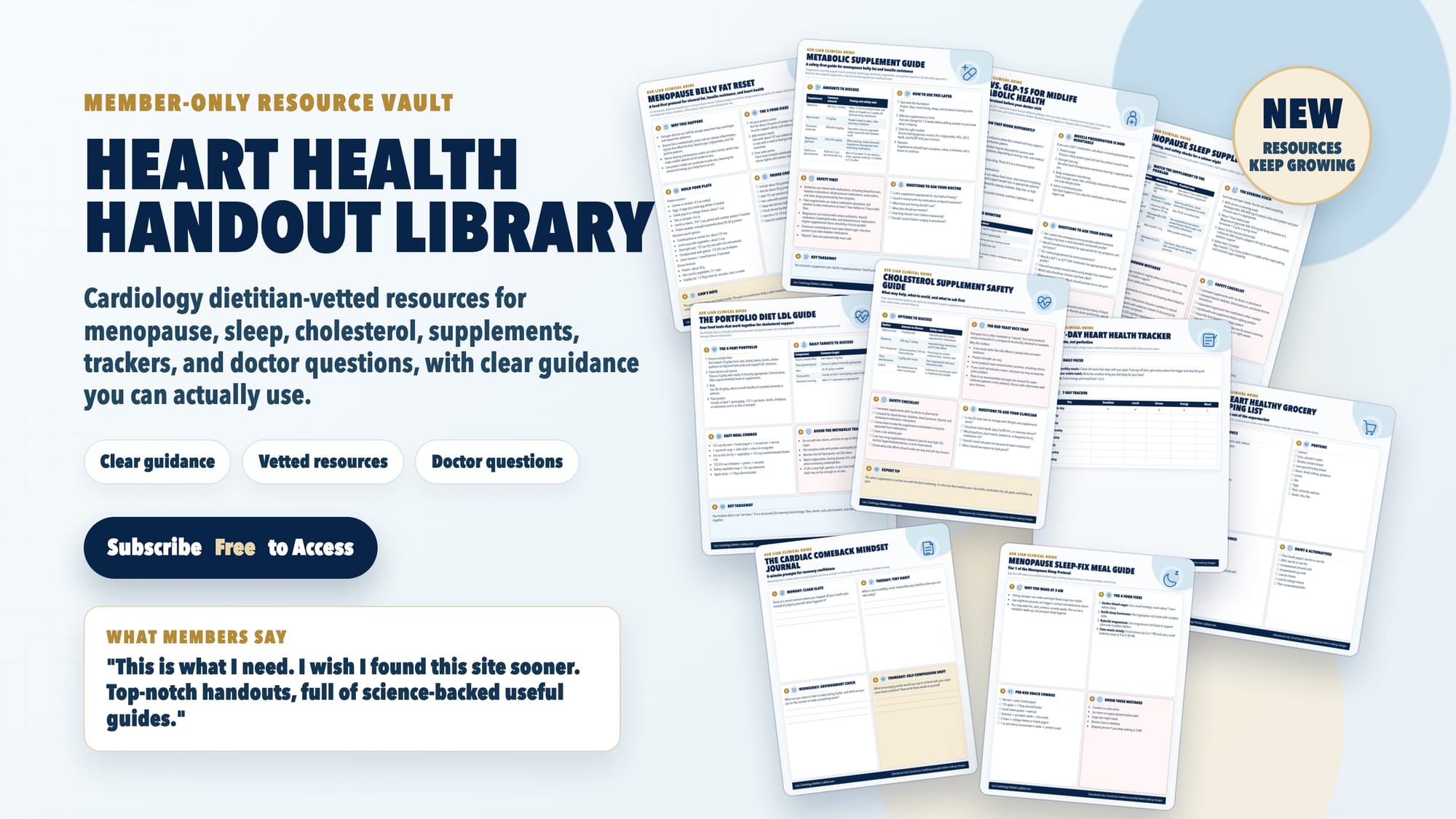
Download Vetted Clinical Handouts & Trackers
Get instant access to a growing library of evidence-based guides, food protocols, and symptom logs vetted by a cardiology dietitian. Access is completely free—simply subscribe to view.
Access Handout Library


Member discussion