Home Blood Pressure Monitoring: What Your Numbers Really Mean
What Your Blood Pressure Numbers Really Mean (And How to Monitor Them at Home)
Written by: Lian Liu, MPH, RD, CDCES | Specializing in Cardiac & Menopause Nutrition. Reviewed and updated: June 2026.
> Direct Answer: Blood pressure consists of systolic (top) and diastolic (bottom) numbers, which represent arterial pressure during heartbeats and at rest, respectively. Consistent home monitoring allows you to identify long-term patterns rather than reacting to single fluctuations caused by stress, caffeine, or improper measurement technique.
After a cardiac event, your blood pressure cuff becomes one of the most important tools in your home. But most people just stare at the numbers and feel confused — or worse, they feel panic when a reading looks slightly off.
Let's change that. Understanding what those numbers mean transforms your blood pressure monitor from a source of anxiety into a powerful ally.
Your Quick Takeaways:
- Blood pressure has two numbers — both matter, but systolic is watched more closely post-event.
- Time of day and body position can change your reading by 10-20 points.
- A single "high" reading rarely means an emergency. Patterns over days matter.
The Two Numbers Explained
Your reading looks like this: 120/80 mmHg.
- Systolic (Top Number): The pressure in your arteries when your heart beats. The AHA recommends keeping this below 130 for most cardiac patients.
- Diastolic (Bottom Number): The pressure when your heart is at rest between beats. Target: below 80.
| Reading | Category |
|---|---|
| Below 120/80 | Normal |
| 120-129 / below 80 | Elevated |
| 130-139 / 80-89 | Stage 1 High |
| 140+ / 90+ | Stage 2 High |
| 180+ / 120+ | Call 911 |
How to Take an Accurate Reading
Inaccurate technique is the #1 source of false panic. Follow this protocol:
- Sit quietly for 5 minutes before measuring. Don't take reading right after exercise or caffeine.
- Sit with your back supported, feet flat on the floor.
- Rest your arm on a table at heart level.
- Place the cuff correctly — on bare skin, 2 finger-widths above your elbow crease.
- Don't talk while the cuff inflates and deflates.
- Take 2 readings 1 minute apart and record the average.
Spotting Trends vs. Reacting to Single Readings
One high reading does not mean a crisis. It could be:
- White Coat Effect: Anxiety about taking the reading itself.
- Caffeine or Stress: Both temporarily raise systolic by 10-15 points.
- Time of Day: Blood pressure is naturally higher in the morning.
What to actually track: Log your readings in a simple journal (morning & evening for 7 days). Share this log with your cardiologist — it's far more valuable to them than a single number.
When to Call Your Doctor
Call your cardiologist (non-emergency) if readings above 150/90 persist for more than 3 days. Go to the ER if readings exceed 180/120, especially with symptoms like headache, chest pain, or vision changes.
Track Your Numbers
Use a structured log to spot trends and communicate clearly with your care team.
Download My Free 7-Day Heart Health Tracker (Track your daily blood pressure, meals, and movement all in one place!)
🛒 Recommended Tools for a Healthy Heart
(Note: Some of the links below are affiliate links, meaning I may earn a small commission at no extra cost to you. I only recommend products I trust for cardiac recovery.)
- Withings BPM Connect: A highly accurate, easy-to-use home blood pressure monitor that syncs data directly to your phone for your cardiologist.
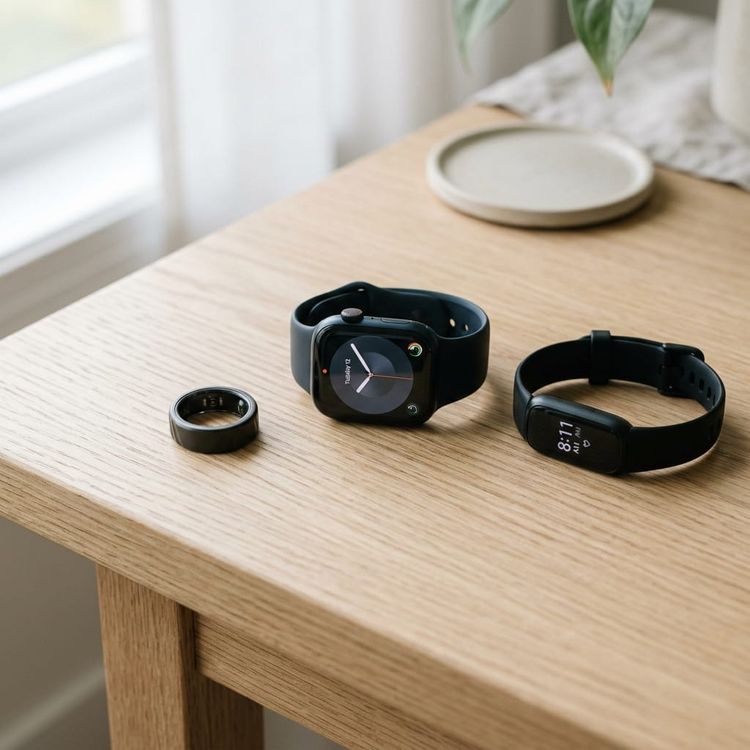
- Oura Ring Gen3: My favorite wearable for tracking sleep quality, stress recovery, and HRV without a bulky watch.
- Garmin Venu 3: Essential for tracking your heart rate zones and ensuring you are exercising safely during cardiac rehab.
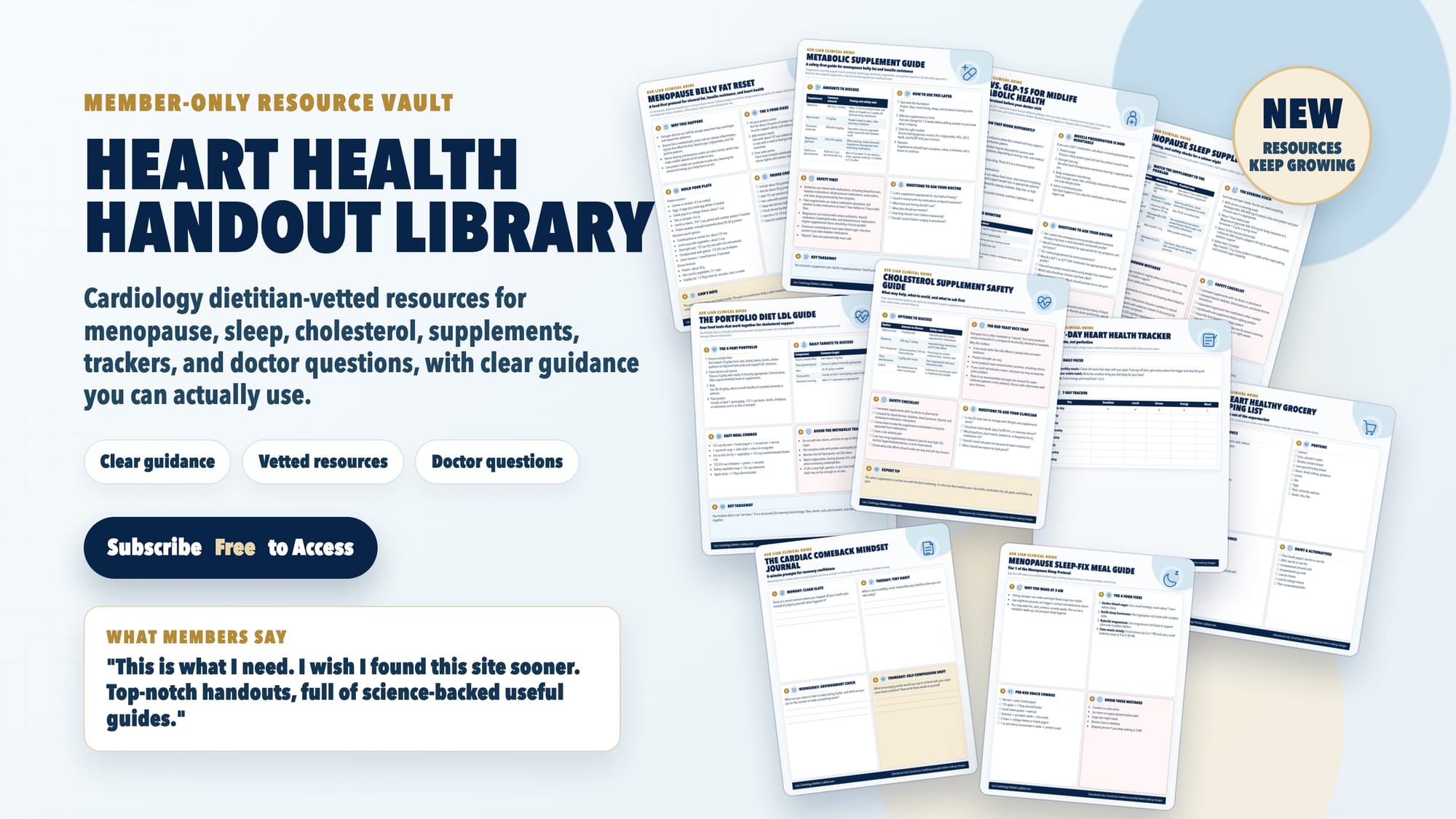
Download Vetted Clinical Handouts & Trackers
Get instant access to a growing library of evidence-based guides, food protocols, and symptom logs vetted by a cardiology dietitian. Access is completely free—simply subscribe to view.
Access Handout Library



Member discussion