How to Read a Nutrition Label for Sodium: Cardiac Patient Guide
How to Read a Nutrition Label for Sodium (A Cardiac Patient's Guide)
Written by: Lian Liu, MPH, RD, CDCES | Specializing in Cardiac & Menopause Nutrition. Reviewed and updated: June 2026.
> Direct Answer: To accurately read a nutrition label for heart health, identify the "Serving Size" and multiply the listed sodium by the number of portions you plan to consume. Aim for items with less than 140mg of sodium per serving or 5% Daily Value (DV) or less to stay within typical cardiac limits of 1,500–2,000mg daily.
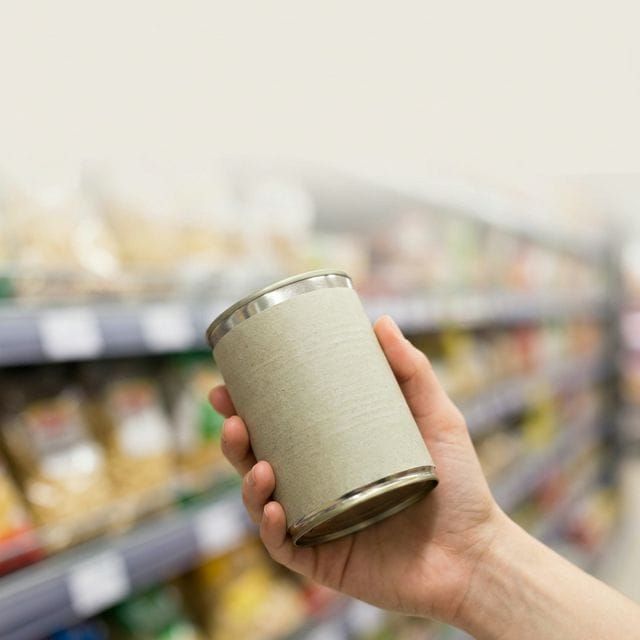
You're standing in the grocery store aisle, nutrition label in hand, staring at a wall of numbers. The sodium section alone has three different lines. Is 480mg per serving high? Low? What does "20% Daily Value" actually mean?
Knowing how to decode these labels is one of the most powerful tools you can have for cardiac recovery.
Your Quick Takeaways:
- The daily sodium limit for cardiac patients is typically 1,500-2,000mg (less than 1 teaspoon of salt).
- The "Serving Size" is the most important line on the label — it determines everything else.
- "Reduced Sodium" doesn't mean LOW sodium. Learn the difference.
The 3 Numbers That Matter
1. Serving Size (First Thing)
This is the foundation of the whole label. A bag of chips might list "130mg sodium per serving" — then you notice the serving size is "7 chips." If you eat a normal portion, you might be consuming 3-4 "servings" without knowing it.
The Rule: Mentally multiply the sodium number by how many actual servings you'll eat.
2. Sodium (mg)
Your target as a cardiac patient depends on your cardiologist's recommendation, but typically:
- Optimal: 1,500mg/day
- Maximum: 2,000mg/day
For a single food item:
- Low sodium: Less than 140mg per serving ✅
- Moderate: 141-400mg per serving ⚠️
- High sodium: 400mg+ per serving 🚫
3. % Daily Value (%DV)
The %DV on labels is based on 2,300mg/day sodium. As a cardiac patient, your limit may be lower. Use this rule of thumb:
- 5% DV or less: Good choice
- 20% DV or more: Too high — put it back
The Sneaky Marketing Words
Food companies use words that sound healthy but have no legal standards:
| Label Claim | What It Actually Means | Suspicious? |
|---|---|---|
| "Low Sodium" | Less than 140mg per serving | ✅ Reliable |
| "Reduced Sodium" | 25% less than the regular version | ⚠️ Still high |
| "Light in Sodium" | 50% less sodium than original | ⚠️ May still be very high |
| "No Salt Added" | No salt during processing, but MAY have natural sodium | ✅ Often good |
| "Lightly Salted" | At least 50% less sodium than original | ⚠️ Check the label |
| "Healthy" | No legal definition for sodium | 🚫 Ignore |
| "Natural" | No legal definition for sodium | 🚫 Ignore |
The Hidden Sodium Sources
Sodium hides where you least expect it:
- Cottage cheese: 400-500mg per cup
- Bread: 100-200mg per slice
- Cereal: 150-300mg per cup
- Deli turkey: 400-600mg per 2 oz
- Vegetable juice: 600mg per 8oz
Your Grocery Shopping Guide
Download My Free Heart-Healthy Grocery Shopping List (Pre-vetted, low-sodium products across every grocery section!)
🛒 Recommended Tools for a Healthy Heart
(Note: Some of the links below are affiliate links, meaning I may earn a small commission at no extra cost to you. I only recommend products I trust for cardiac recovery.)
- The Cardiac Comeback Book: The ultimate step-by-step guide to rebuilding your life after a heart attack.
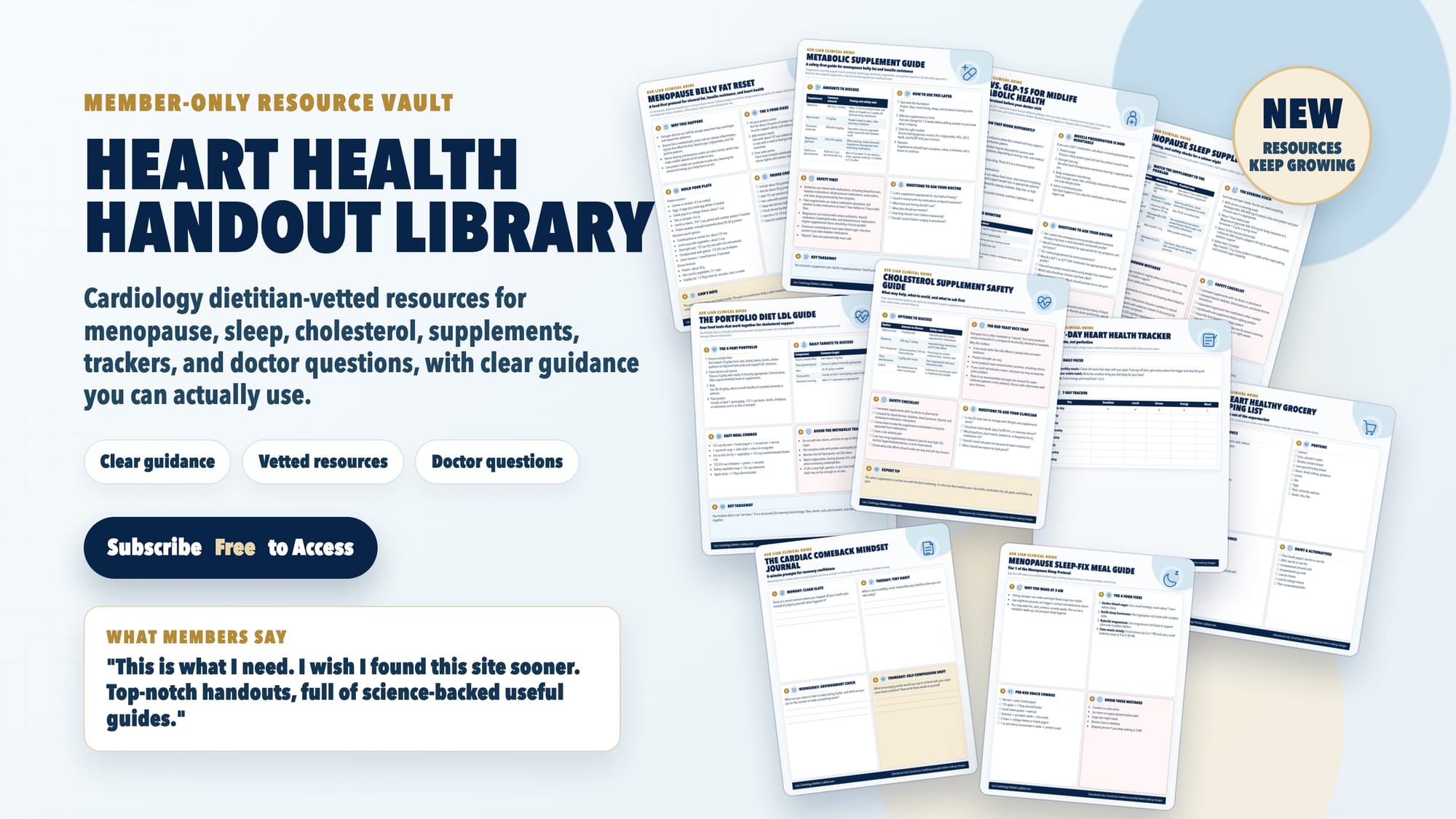
Download Vetted Clinical Handouts & Trackers
Get instant access to a growing library of evidence-based guides, food protocols, and symptom logs vetted by a cardiology dietitian. Access is completely free—simply subscribe to view.
Access Handout Library



Member discussion