Sleep & Heart Health: How Poor Sleep Triggers Cardiac Events
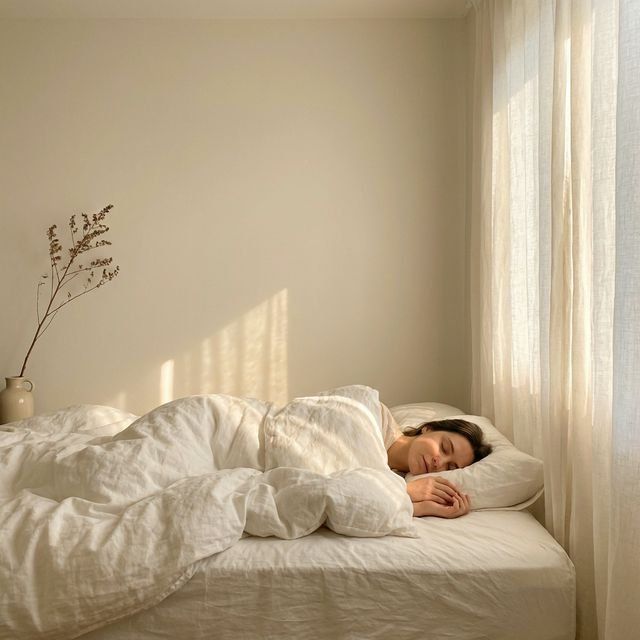
How Poor Sleep is Silently Damaging Your Heart (And What to Do Tonight)
Written by: Lian Liu, MPH, RD, CDCES | Specializing in Cardiac & Menopause Nutrition. Reviewed and updated: June 2026.
> Direct Answer: Poor sleep increases cardiac risk by preventing the necessary nighttime drop in blood pressure and heart rate while triggering elevated cortisol levels and systemic inflammation. Additionally, conditions like sleep apnea cause repetitive adrenaline surges that spike blood pressure and directly stress the cardiovascular system.
When talking about heart health, diet and exercise dominate the conversation. But there is a third pillar that almost nobody talks about: sleep quality.
If you are getting less than 6.5 hours of poor-quality sleep, you are increasing your cardiac risk — sometimes dramatically.
Your Quick Takeaways:
- Sleeping less than 6 hours per night doubles the risk of a heart attack.
- Sleep apnea is present in up to 60% of cardiac patients and often undiagnosed.
- Three evidence-based habits tonight can measurably improve your next morning's blood pressure reading.
How Sleep Deprivation Stresses Your Heart
When you don't sleep enough, your body does several damaging things:
- Cortisol stays elevated: Cortisol keeps your blood pressure high. Without restorative sleep, it never drops to its natural nighttime low.
- Inflammation increases: Poor sleep triggers a release of inflammatory markers (like CRP and IL-6), which directly damages arterial walls.
- Leptin drops, Ghrelin rises: You wake up hungrier for calorie-dense, salty food — directly undermining your DASH diet.
The Sleep Apnea–Heart Disease Connection
This is the big one. Sleep apnea causes you to repeatedly stop breathing during the night, causing oxygen levels to drop. Each episode triggers a small adrenaline surge — essentially, micro-panic attacks all night long.
Every one of those surges spikes your blood pressure and stresses your heart.
Signs you might have sleep apnea:
- Your partner reports loud snoring or pauses in your breathing.
- You wake up with headaches.
- You feel exhausted no matter how much you sleep.
- You fall asleep within seconds of sitting still.
Talk to your cardiologist about a sleep study. A CPAP machine can be life-changing for cardiac patients with apnea.
3 Evidence-Based Habits To Start Tonight
1. The 90-Minute Wind-Down
Dim your lights and put away screens 90 minutes before bed. Blue light from phones and TVs suppresses melatonin production.
2. Keep the Room Cool (65-68°F / 18-20°C)
Your body temperature naturally drops at sleep onset. Cool room temps accelerate this process, improving deep sleep quality.
3. Make Your Bed a "Sleep-Only" Zone
No phones, no TV, no work. Your brain needs to associate your bed with sleep, not stimulation. It typically takes 3-7 nights to re-train this association.
Track Your Sleep Recovery
Use your 7-Day Tracker to log your sleep hours and morning blood pressure. You'll likely see a direct correlation — better sleep, lower morning readings.
Track Your Sleep & Blood Pressure
Download My Free 7-Day Heart Health Tracker(Log sleep, meals, movement, and blood pressure in one place!)
🛒 Recommended Tools for a Healthy Heart
(Note: Some of the links below are affiliate links, meaning I may earn a small commission at no extra cost to you. I only recommend products I trust for cardiac recovery.)
- Withings BPM Connect: A highly accurate, easy-to-use home blood pressure monitor that syncs data directly to your phone for your cardiologist.
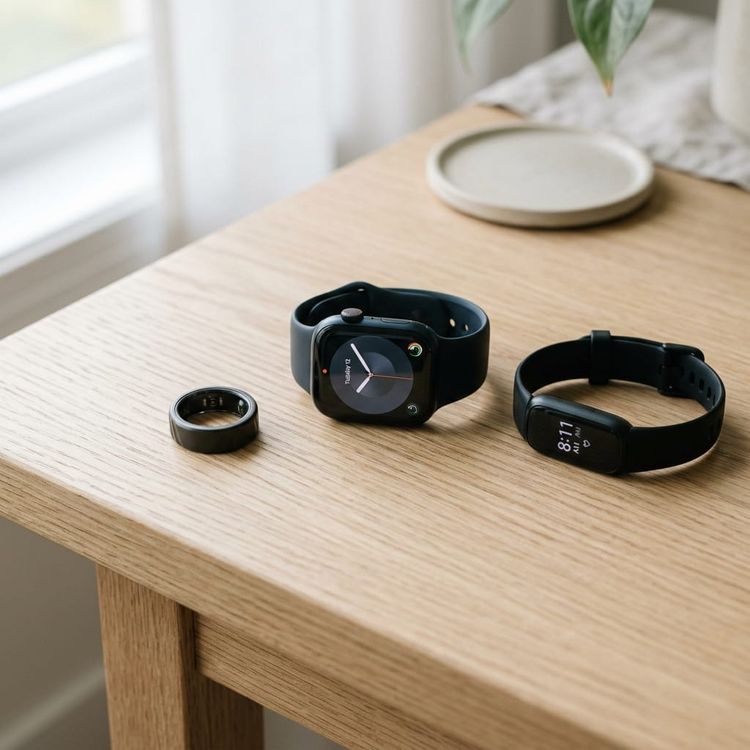
- Oura Ring Gen3: My favorite wearable for tracking sleep quality, stress recovery, and HRV without a bulky watch.
- Garmin Venu 3: Essential for tracking your heart rate zones and ensuring you are exercising safely during cardiac rehab.
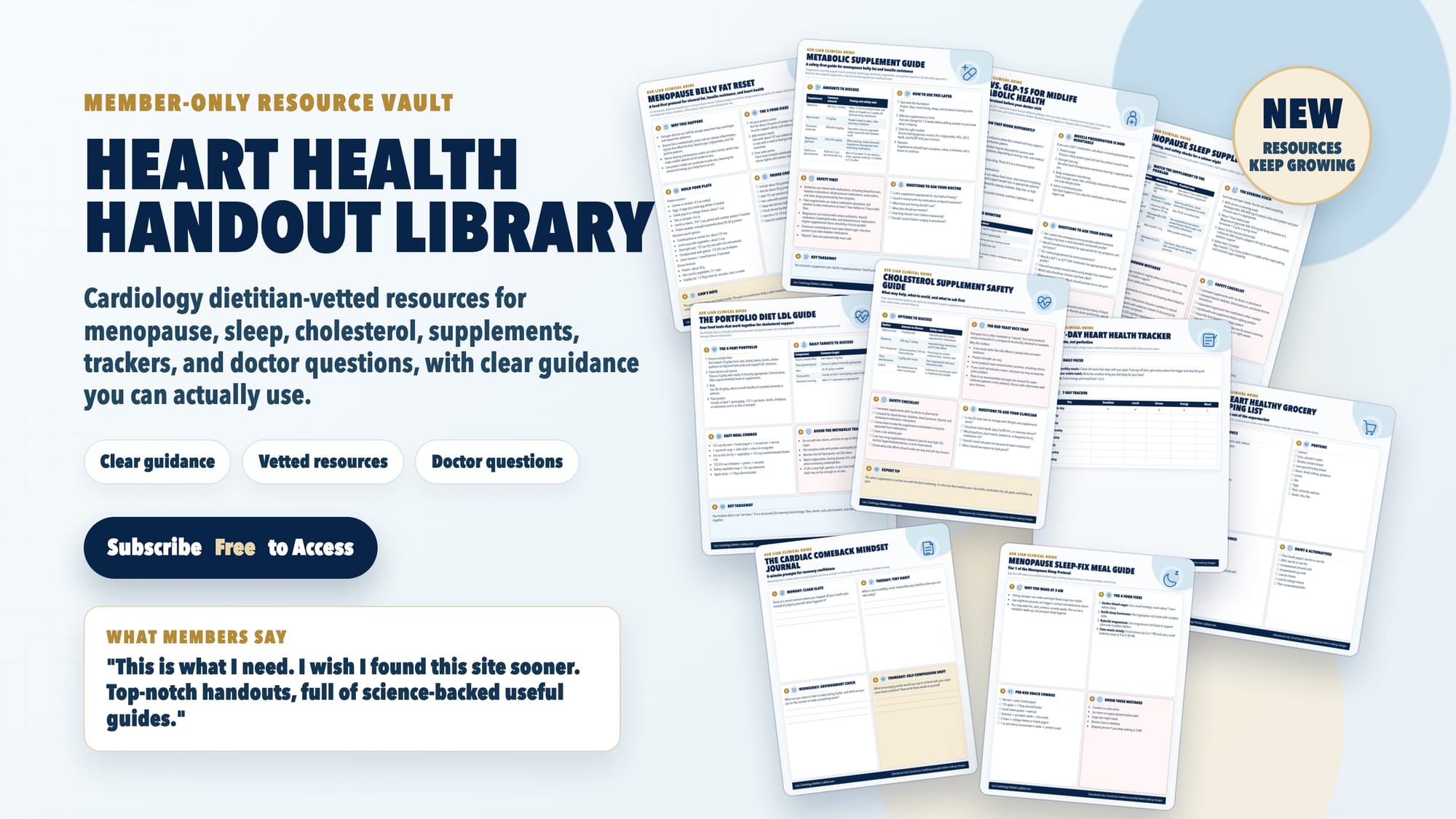
Download Vetted Clinical Handouts & Trackers
Get instant access to a growing library of evidence-based guides, food protocols, and symptom logs vetted by a cardiology dietitian. Access is completely free—simply subscribe to view.
Access Handout Library



Member discussion