
Coronary Heart Disease Dietary Needs: How to Track Your Macros to Improve Your Lipid Panel
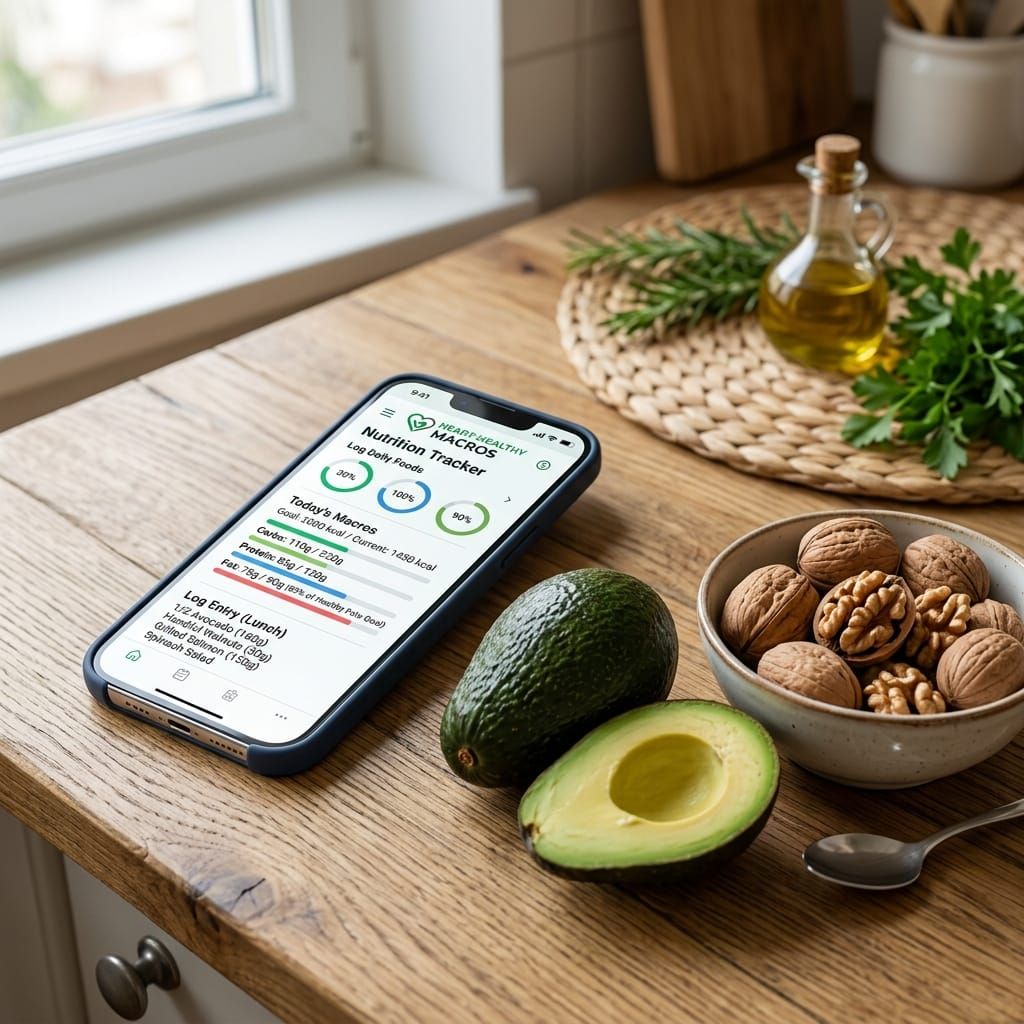
Coronary Heart Disease Dietary Needs: How to Track Your Macros to Improve Your Lipid Panel
Written by: Lian Liu, MPH, RD, CDCES | Specializing in Cardiac & Menopause Nutrition. Reviewed and updated: June, 2026.
> Direct Answer: Fulfilling coronary heart disease dietary needs isn't just about total calories or rigid macro percentages. To improve your lipid panel, you must track specific macro sub-types: limit saturated fats to under 13g daily, aim for 10g of viscous soluble fiber, and shift protein intake from animal to plant sources to actively lower LDL cholesterol, non-HDL cholesterol, and apolipoprotein B (ApoB).
Key Takeaways
- Replacing saturated fats with polyunsaturated and monounsaturated fats actively lowers LDL cholesterol and reduces atherosclerotic plaque buildup.
- Aim for 25 to 30 grams of total fiber daily, ensuring at least 10 grams come from viscous soluble fiber (like oats and beans) to bind and remove cholesterol.
- High-protein, very low-carb diets (like keto) can significantly increase apolipoprotein B (ApoB) and LDL cholesterol, doubling cardiovascular risk.
Understanding your coronary heart disease dietary needs can feel overwhelming, especially after a cardiovascular event. Many patients download a tracking app, diligently count their daily carbs, fats, and proteins, yet feel frustrated when their next lipid panel shows little to no improvement. The problem isn't your effort—it’s what you are tracking. Simply hitting generic percentages of macros won't automatically improve your cholesterol. Instead, we must look under the hood at the quality and source of those macronutrients to actively lower LDL and protect your endothelial function. Let's break down exactly what to track.
> Understanding Your Lab Values As we discuss tracking macros to improve your lipid panel, keep these clinical therapeutic targets in mind:LDL Cholesterol: < 100 mg/dL for normal risk, < 70 mg/dL for high riskHDL ("Good") Cholesterol: ≥ 40 mg/dL (men), ≥ 50 mg/dL (women)Triglycerides: < 100 mg/dL (optimal)ApoB: < 90 mg/dL (optimal), with preventative cardiologists aiming for 20-30 mg/dL to halt atherosclerosisNon-HDL Cholesterol: < 100 mg/dL for high-risk patients
What Fats Should You Track for Heart Health?
When optimizing your lipid panel, tracking total fat is less important than tracking the type of fat. Saturated fats directly elevate blood cholesterol, while unsaturated fats provide cardiovascular benefits.
Research shows that replacing saturated fats with polyunsaturated and monounsaturated fats (like those found in olive oil, avocados, nuts, and seeds) actively improves your lipid profile. Meanwhile, "keto-like" very low-carb, high-fat diets can significantly increase LDL and ApoB, substantially raising the risk of major cardiovascular events.
| Fat Type | Goal | Best Sources |
|---|---|---|
| Saturated Fat | Less than 6% to 7% of daily calories (approx. 11-13g on a 2,000 kcal diet) | Limit red meat, butter, tropical oils |
| Unsaturated Fat | Majority of fat intake | Olive oil, avocados, nuts, seeds, marine omega-3s |
| Trans Fat | 0g | Avoid partially hydrogenated oils |
How Do Carbohydrates Impact Your Lipid Panel?
Not all carbs are created equal; refined sugars drive up triglycerides, while complex carbohydrates and viscous fiber actively lower LDL cholesterol.
Viscous (soluble) dietary fiber forms a gel in your gut that traps bile acids and dietary cholesterol, preventing their absorption. This forces your liver to pull circulating LDL cholesterol out of your bloodstream. Track your fiber to aim for 25 to 30 grams daily, with at least 10 grams of viscous soluble fiber.
| Carbohydrate Type | Daily Target | Heart-Healthy Sources |
|---|---|---|
| Viscous Soluble Fiber | 10+ grams | Oats, barley, psyllium, beans, eggplant |
| Added Sugars | < 25g (women) / < 36g (men) | Limit processed snacks, sodas, baked goods |
Which Proteins Are Best for Cardiovascular Disease?
The source of your protein drastically impacts your lipid panel. Substituting plant proteins for animal proteins significantly reduces LDL cholesterol, non-HDL cholesterol, and ApoB.
Conversely, high intake of animal protein, particularly red and processed meats, is associated with higher cardiovascular mortality. Track your protein sources, aiming for about 5.5 ounces daily, heavily shifting toward plant proteins, fish, and lean skinless poultry.
The Secret Macro "Hack": Plant Sterols
Plant sterols and stanols are naturally occurring extracts that compete with cholesterol for absorption in your intestine. Consuming 2 to 3 grams of plant sterols daily is recognized as highly effective for LDL reduction, capable of lowering LDL by 9% to 20%.
Related Reading: Continue your recovery journey with our guide on How to Use Your Wearable to Track Recovery After a Heart Event (Without Obsessing Over Numbers).
Summary
To effectively use macro-tracking for secondary prevention of coronary heart disease, rely on a foundational framework like the Mediterranean or DASH diet. Prioritize tracking soluble fiber (like a daily Metamucil supplement), keeping saturated fat low, and sourcing protein from plants or fish. If you've been doing everything right but still see concerning numbers, it may be worth investigating why you have a high LDL particle number despite dietary changes.
🎁 Free Resource Library
Want to start tracking without the guesswork? Download the 7-Day Cardiac Macro Tracker from my Free Resource Library to easily log your viscous fiber and track saturated fat goals!
Stay Ahead of Your Heart Health
Want to stay up-to-date with current science-backed nutrition tips to protect your cardiovascular future?
- Subscribe to the Newsletter: Get practical, clinical-strength tips on diet, labs, and lifestyle adjustments sent straight to your inbox.
- Get the Master Course: Secure immediate access to the Heart Disease Risk Reversal Master Course and start reversing your risk today. 👉 Join the Newsletter & Master Course here
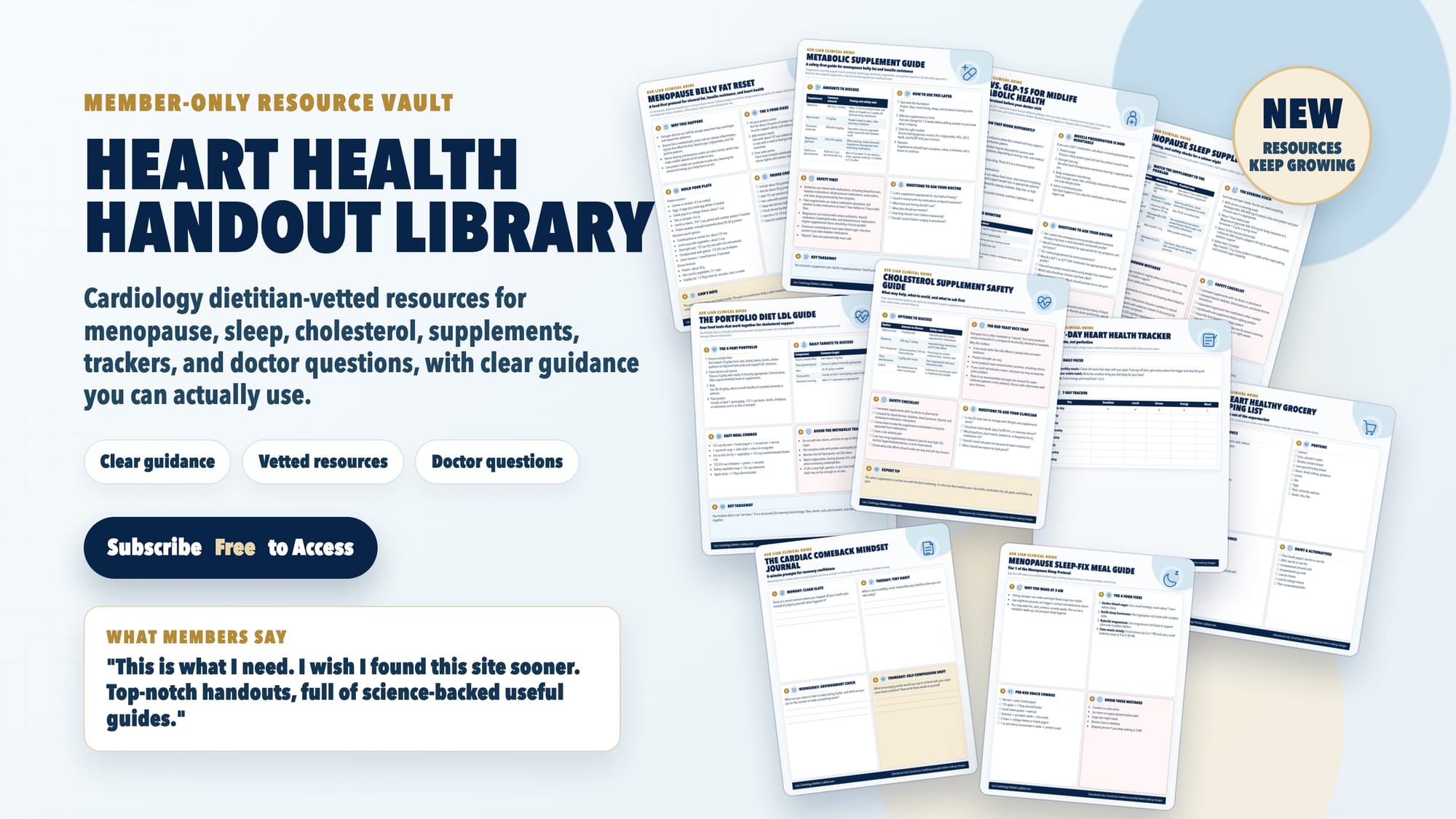
Download Vetted Clinical Handouts & Trackers
Get instant access to a growing library of evidence-based guides, food protocols, and symptom logs vetted by a cardiology dietitian. Access is completely free—simply subscribe to view.
Access Handout Library


Member discussion