DASH Diet Dining Out Guide: Low Sodium Restaurant Tips
The Cardiac Menu: How to Eat Out on a Heart-Healthy Diet
Written by: Lian Liu, MPH, RD, CDCES | Specializing in Cardiac & Menopause Nutrition. Reviewed and updated: June 2026.
> Direct Answer: To follow a DASH diet while dining out, avoid high-sodium "red flag" terms like "breaded," "smothered," or "glazed" in favor of safer preparations such as grilled, steamed, or roasted. You can significantly reduce sodium intake by requesting your protein be cooked "naked" (without butter or added salt) and asking for all sauces and dressings to be served on the side.
One of the most isolating parts of transitioning to a heart-healthy diet is the fear of eating out. You've spent two weeks carefully mastering low-sodium cooking at home, and now your friends want to meet at an Italian restaurant.
You don't have to stay home, and you don't have to eat a plain, dry side salad. You just need to learn how to navigate the menu.
Your Quick Takeaways:
- Restaurant food is notoriously high in sodium. You have to ask for modifications.
- Beware of menu "code words" that secretly mean high fat or high salt.
- Be pleasantly assertive with your waiter. It's your health on the line.
The Hidden Danger of Restaurants
The average restaurant meal contains an entire day's worth of sodium (often 2,000mg or more) and a massive amount of hidden butter. Restaurants prioritize flavor over health, and their cheapest flavor enhancers are salt and fat.
But restaurants are in the hospitality business. Most are more than happy to accommodate dietary requests if you are polite and clear.
Menu Code Words to Avoid
When surveying a menu, treat these words as red flags. They usually indicate high amounts of sodium, saturated fat, or both:
- Crispy / Battered / Breaded: Deep-fried.
- Smothered / Au Gratin: Covered in heavy cheese or cream sauce.
- Glazed / Teriyaki: Usually packed with sugary, high-sodium soy sauce reductions.
- Pickled / Smoked / Cured: Massive sodium bombs.
Green Light Code Words
Look for these terms, which generally indicate healthier cooking methods:
- Steamed
- Grilled / Broiled
- Roasted / Baked (Make sure to ask for no added butter).
- Poached
How to Order Like a Pro
1. The "Naked" Request
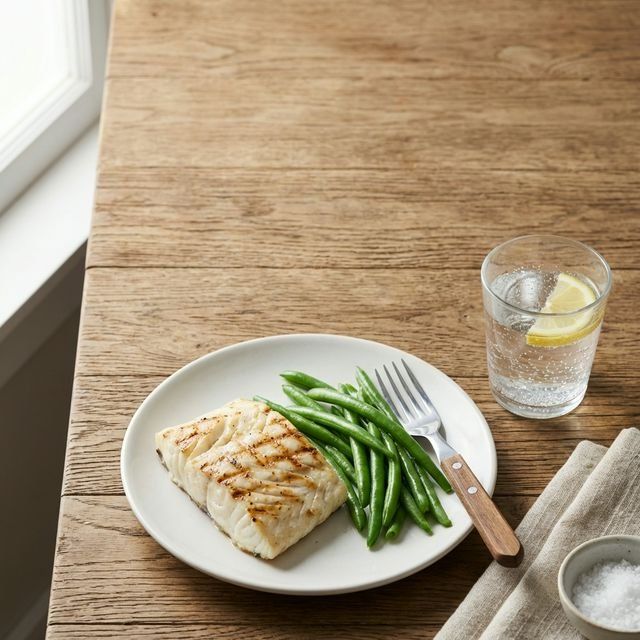
Ask for protein to be cooked "naked"—meaning no salt, no butter, just olive oil and pepper. You can always squeeze a lemon over it when it arrives.
2. Sauce on the Side
Never let the kitchen decide how much dressing or sauce goes on your food. Always ask for it on the side. Dip your fork into the dressing before taking a bite of salad; you'll use 80% less dressing this way.
3. Swap the Sides
French fries and mashed potatoes are usually loaded with salt. Polietly ask, "Could I substitute the fries for steamed broccoli with no butter?" Most places won't charge you a dime to make the swap.
Enjoy your dinner out!
Track Your Dining Habits
Make a note of how you feel after you eat out. Are you swollen or bloated? Use our tracker to monitor your progress!
Download My Free 7-Day Heart Health Tracker (Print this PDF and check off your daily wins to visually prove to yourself that you can do this!)
🛒 Recommended Tools for a Healthy Heart
(Note: Some of the links below are affiliate links, meaning I may earn a small commission at no extra cost to you. I only recommend products I trust for cardiac recovery.)
- Withings BPM Connect: A highly accurate, easy-to-use home blood pressure monitor that syncs data directly to your phone for your cardiologist.
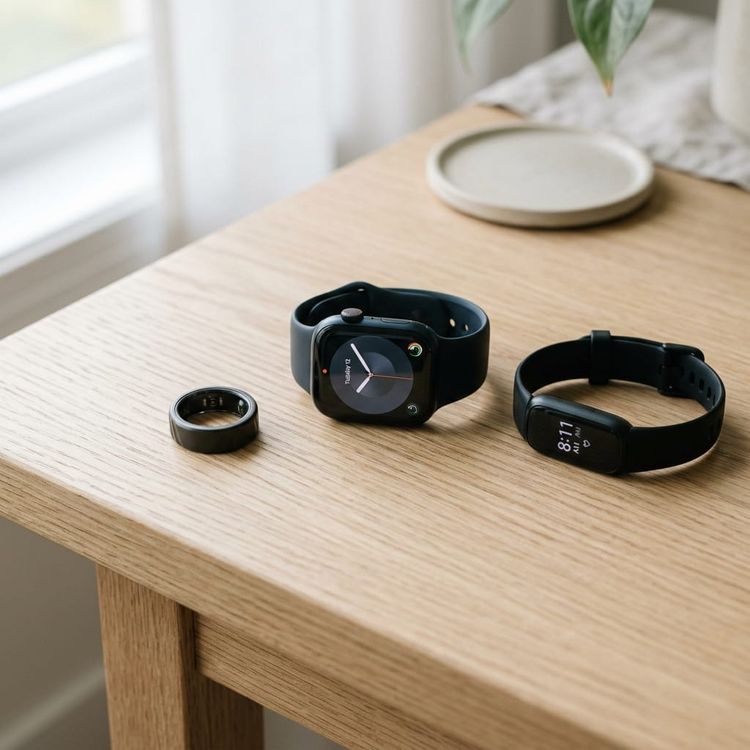
- Oura Ring Gen3: My favorite wearable for tracking sleep quality, stress recovery, and HRV without a bulky watch.
- Vitamix 5200 Blender: Perfect for building flavor with sodium-free dressings, cashew creams, and hearty soups.
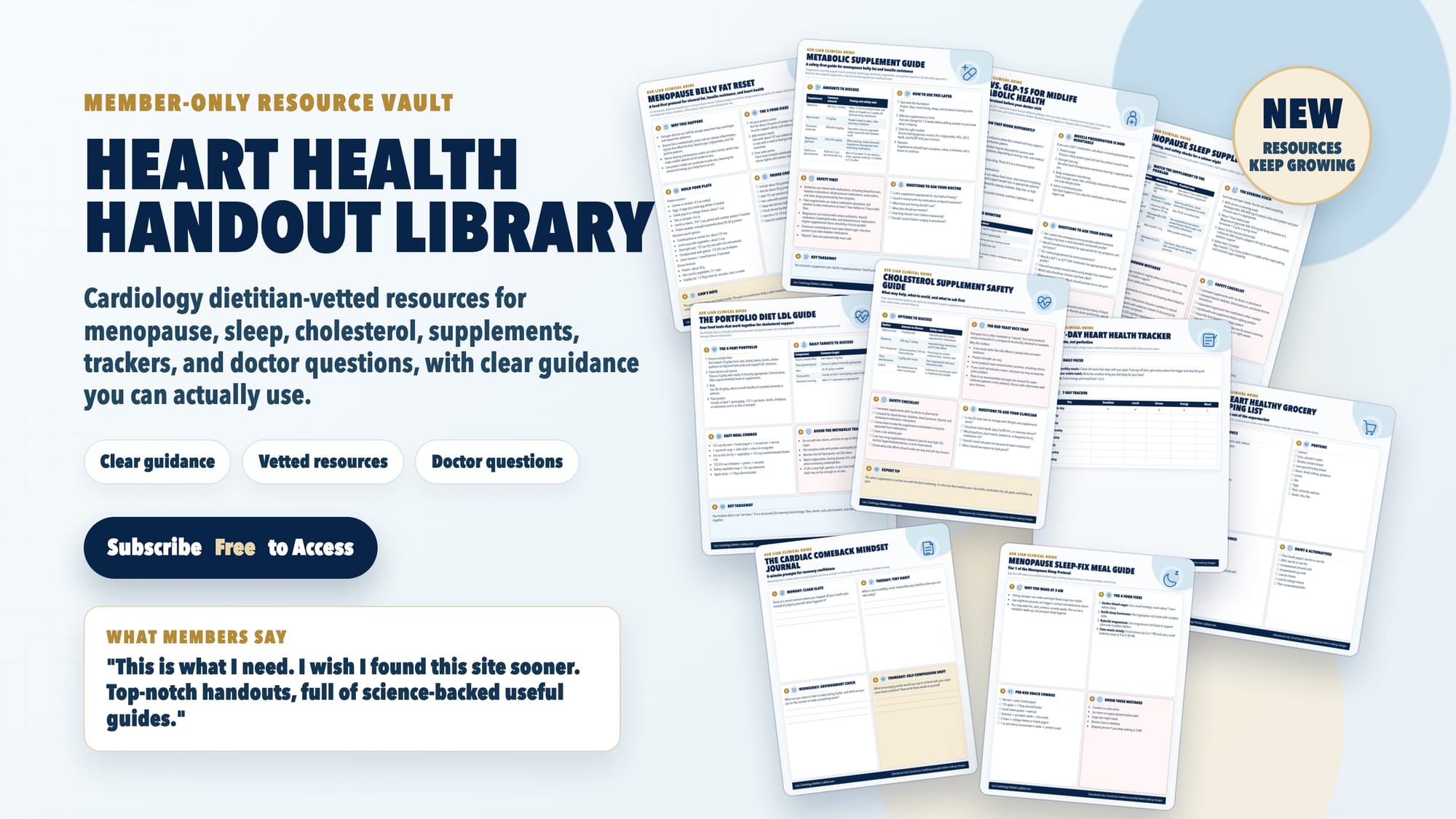
Download Vetted Clinical Handouts & Trackers
Get instant access to a growing library of evidence-based guides, food protocols, and symptom logs vetted by a cardiology dietitian. Access is completely free—simply subscribe to view.
Access Handout Library


Member discussion