
Potassium Foods for Blood Pressure: What Cardiac Patients Need to Know
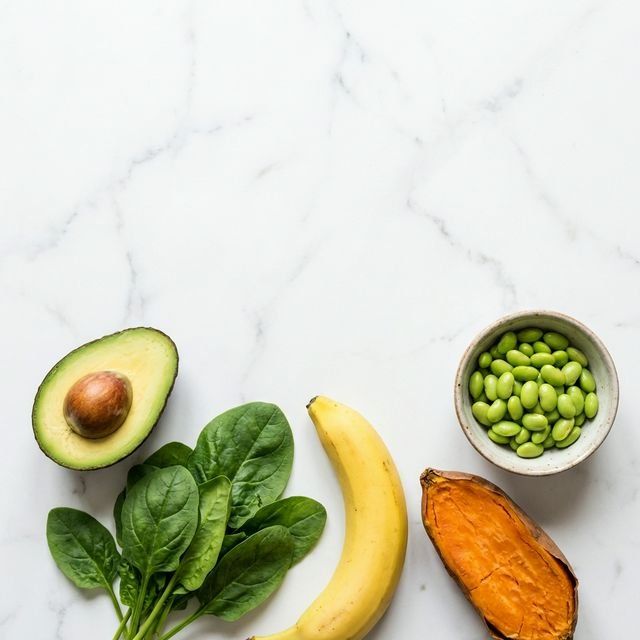
The Power of Potassium: Nature's Blood Pressure Medication
Written by: Lian Liu, MPH, RD, CDCES | Specializing in Cardiac & Menopause Nutrition. Reviewed and updated: June 2026.
> Direct Answer: Potassium lowers blood pressure by triggering a mechanism in the kidneys that actively expels excess sodium from the body. Cardiac patients should focus on obtaining this mineral through potassium-rich whole foods—such as spinach, avocados, and potatoes—rather than supplements, which can interact with certain heart medications.
If sodium raises your blood pressure, potassium is its natural antidote. These two minerals work in direct opposition inside your body — and most cardiac patients are unknowingly under-consuming the one that helps them most.
This post will tell you exactly how to use potassium as a strategic tool in your cardiac recovery.
Your Quick Takeaways:
- Potassium reduces blood pressure by helping kidneys flush out excess sodium.
- Most adults only consume about half their recommended daily potassium.
- The target for cardiac patients is 3,500-4,700mg/day (not a supplement — from food).
How Potassium and Sodium Work Together
Think of your kidneys as a "sodium balance system." When sodium levels in your blood rise, the kidneys retain water to dilute it. This retained water increases the volume of blood in your vessels — which raises blood pressure.
Potassium activates a "pump" in your kidney cells that actively expels sodium from your body. More potassium = more sodium expelled = lower blood volume = lower blood pressure.
The Potassium Powerhouses (Food First)
Focus on getting potassium from whole foods, not supplements. Potassium supplements can be dangerous for cardiac patients who are on certain medications (like ACE inhibitors or potassium-sparing diuretics). Always check with your cardiologist before supplementing.
| Food | Potassium per Serving | Notes |
|---|---|---|
| Baked potato (with skin) | 926mg | Eat the skin — that's where it is |
| Sweet potato | 694mg | Also high in Vitamin A |
| Avocado (½) | 487mg | Plus heart-healthy monounsaturated fats |
| Edamame (½ cup) | 485mg | Great high-protein snack |
| Spinach (1 cup cooked) | 839mg | Easiest way to get a big hit |
| White beans (½ cup) | 595mg | Also high in fiber |
| Banana | 422mg | Quick, portable, natural |
| Yogurt (plain, 1 cup) | 530mg | Also probiotic |
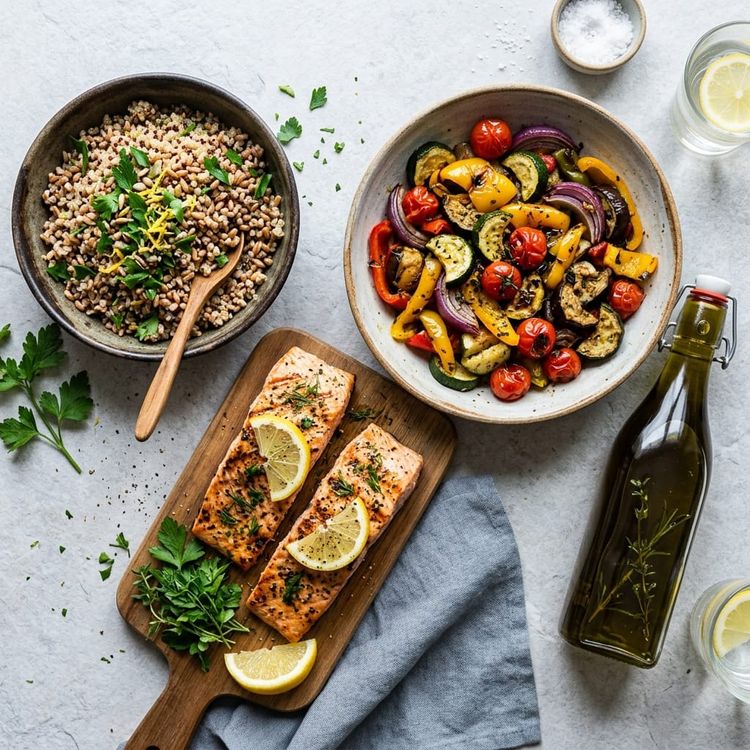
| Salmon (3 oz) | 534mg | Omega-3s as a bonus |
| Broccoli (1 cup) | 229mg | Easy to add to everything |
| Tomato sauce (½ cup) | 405mg | Use no-salt-added |
| Lentils (½ cup) | 365mg | Plus 9g protein and 8g fiber |
Practical Ways to Hit Your Daily Target
- Add avocado to your breakfast — spread on whole-grain toast.
- Snack on edamame instead of chips.
- Use spinach as your salad base — it has 4x more potassium than romaine.
- Eat the potato skin — where the majority of potassium lives.
- Swap white rice for lentils as a side dish.
⚠️ A Critical Caution
If you are taking medications like Spironolactone, Lisinopril, Enalapril (or any ACE inhibitor or potassium-sparing diuretic), your kidneys may retain potassium. Do NOT aggressively increase potassium without explicitly discussing this with your cardiologist. High potassium (hyperkalemia) can cause dangerous heart rhythm problems.
Track Your Meals & Nutrients
Download My Free 7-Day Heart Health Tracker (Log your daily meals to ensure you're hitting your potassium targets!)
🛒 Recommended Tools for a Healthy Heart
(Note: Some of the links below are affiliate links, meaning I may earn a small commission at no extra cost to you. I only recommend products I trust for cardiac recovery.)
- Withings BPM Connect: A highly accurate, easy-to-use home blood pressure monitor that syncs data directly to your phone for your cardiologist.
- High-Quality Clinical Supplements: Access my Fullscript dispensary for practitioner-grade Omega-3s and Magnesium at a discount.
- Vitamix 5200 Blender: Perfect for building flavor with sodium-free dressings, cashew creams, and hearty soups.
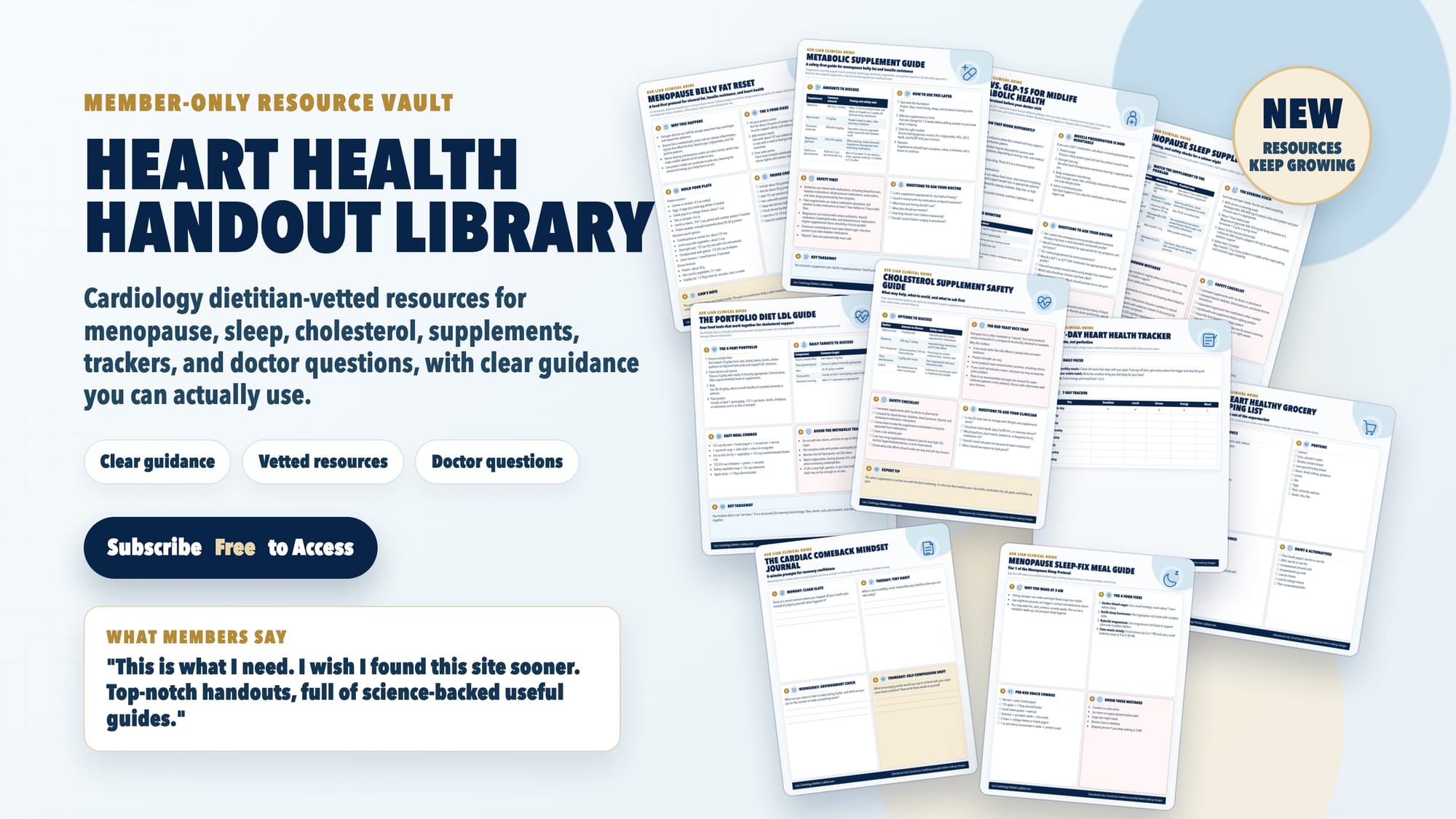
Download Vetted Clinical Handouts & Trackers
Get instant access to a growing library of evidence-based guides, food protocols, and symptom logs vetted by a cardiology dietitian. Access is completely free—simply subscribe to view.
Access Handout Library


Member discussion