
The 3 Foods Your Body Needs After Menopause to Lower LDL
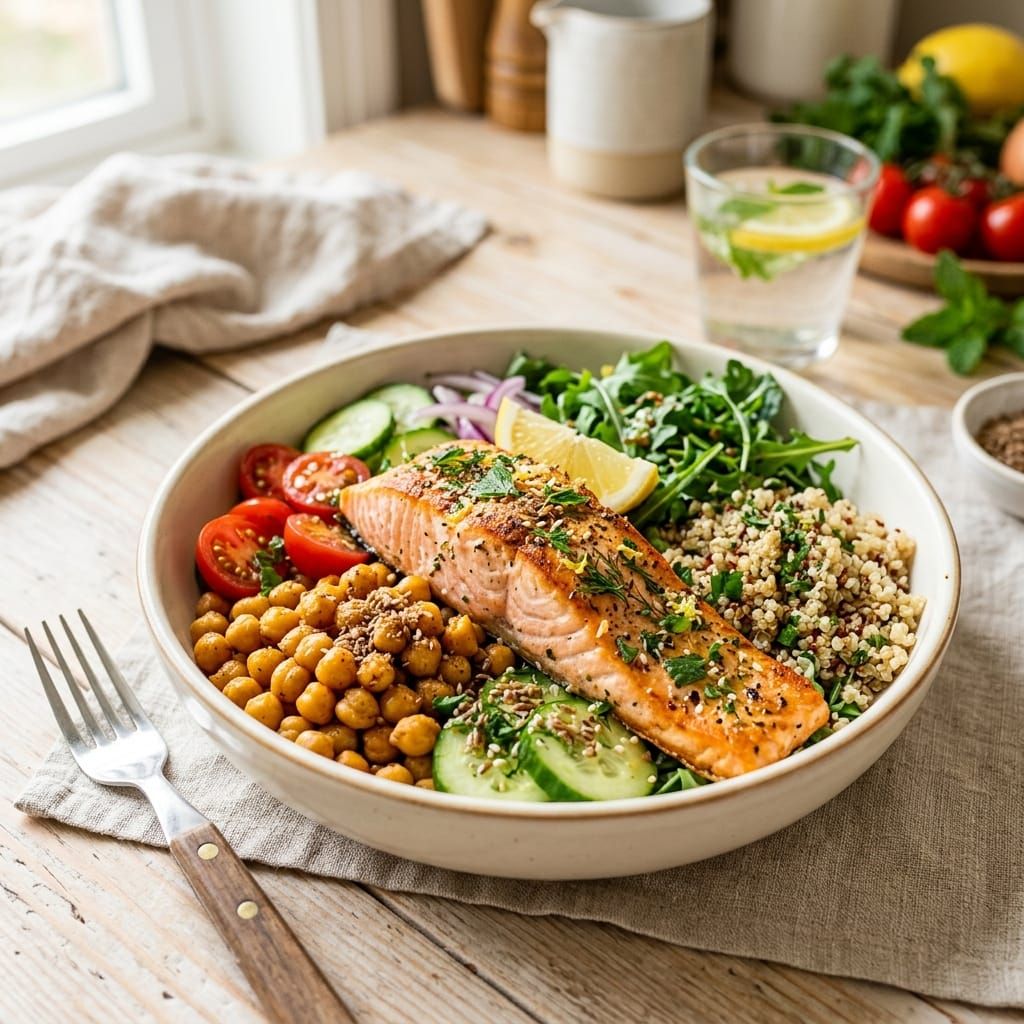
Why Your LDL Jumped (And How to Fix It Without Eating Less)
Written by: Lian Liu, MPH, RD, CDCES | Specializing in Cardiac & Menopause Nutrition. Reviewed and updated: June 2026.
> Direct Answer: To lower LDL levels after menopause, incorporate ground flaxseed, legumes, and omega-3 fatty acids into your daily diet. These three specific nutrients help compensate for the reduction in estrogen-driven liver receptors required to clear cholesterol from your bloodstream.
You did everything right. You ate the salads. You cut the red meat. You even started walking every morning. And then you went to the doctor, and your LDL cholesterol was up. Not just a little—maybe 30, 40 points higher than it’s ever been.
And you sat there thinking... what did I do wrong?
Here's what I want you to know: you didn't do anything wrong. Your body changed. Specifically—one critical hormone dropped, and it took your cholesterol clearance system with it.
Most cholesterol advice is designed for a 45-year-old man. Eat less fat. Exercise more. Take a statin if it's still high. But if you're a woman over 40 and your LDL just jumped, the problem isn't what you're eating. The problem is what your liver stopped doing when your estrogen dropped.
The Mechanism: Why Estrogen Loss Equals Higher LDL
Your liver has something called LDL receptors. Think of them as little docking stations on the surface of your liver cells. Their entire job is to grab LDL cholesterol out of your bloodstream and clear it away.
Estrogen keeps those receptors active and abundant. It’s been doing this quietly your entire adult life.
When estrogen drops—as it does in perimenopause and menopause—those receptors start going offline. Fewer receptors means less clearance. Less clearance means more LDL sitting in your blood. Research shows that LDL typically rises 15 to 25% around menopause, and this often happens fast—sometimes within a single year.
If you felt like your cholesterol changed almost overnight, you are not imagining it.
So how do we fix it? We don't restrict your food further. Instead, we use three specific foods to step in where estrogen left off.
1. Ground Flaxseed: The Receptor Reactivator
The first pathway we lost was the LDL receptors shutting down. The food that targets this directly is ground flaxseed.
Flaxseed contains compounds called lignans. Lignans are phytoestrogens—plant-based compounds that can partially activate estrogen receptors in your body, including the ones on your liver that regulate LDL receptor production.
There is a four-dollar bag of seeds at your grocery store that can partially reactivate the receptor system that went offline when your estrogen dropped. Not perfectly, not completely—but meaningfully. Clinical trials in postmenopausal women show that 2-3 tablespoons a day can lead to a 10-15% LDL reduction.
How to use it:
- It MUST be ground (milled). Whole flaxseeds pass right through your digestive system unbroken, giving you zero benefit.
- Start with 1 tablespoon a day sprinkled on yogurt or blended into a smoothie, and build up to 2-3 tablespoons daily.
- Store it in the freezer to keep the healthy oils from going rancid.
2. Beans & Soy: The Bile Acid Bypass
The second pathway estrogen managed was bile acid recycling. Your liver uses cholesterol to make bile acids to digest your food. Estrogen helped recycle those acids. Without it, more cholesterol stays in your blood.
When you eat legumes (beans, lentils, chickpeas), their soluble fiber forms a gel in your gut that traps those bile acids and prevents them from being reabsorbed. Because they are trapped and excreted, your liver is forced to pull LDL cholesterol directly out of your blood to manufacture new bile acids.
It’s an alternative clearance pathway that bypasses the broken estrogen system completely.
How to use it:
- Aim for ½ cup of beans per day. Add them to salads, soups, or grain bowls.
- Include whole soy foods (like edamame, tofu, or tempeh) a few times a week. Soy contains isoflavones, another phytoestrogen that specifically benefits postmenopausal women.
- Note: We are talking about whole soy foods, not isolated isoflavone supplement pills.
3. Omega-3 Foods: The Oxidation Shield
The final pathway involves protecting the LDL you do have.
Regular LDL floating in your blood is not what causes plaque. LDL becomes dangerous when it oxidizes. That’s when it penetrates arterial walls, triggers inflammation, and starts building plaque.
Estrogen acted as a natural anti-inflammatory shield protecting your LDL. Without it, your LDL oxidizes faster. Omega-3 fatty acids are your new oxidation shield. They armor-plate your LDL, making it more resistant to oxidative damage.
How to use it:
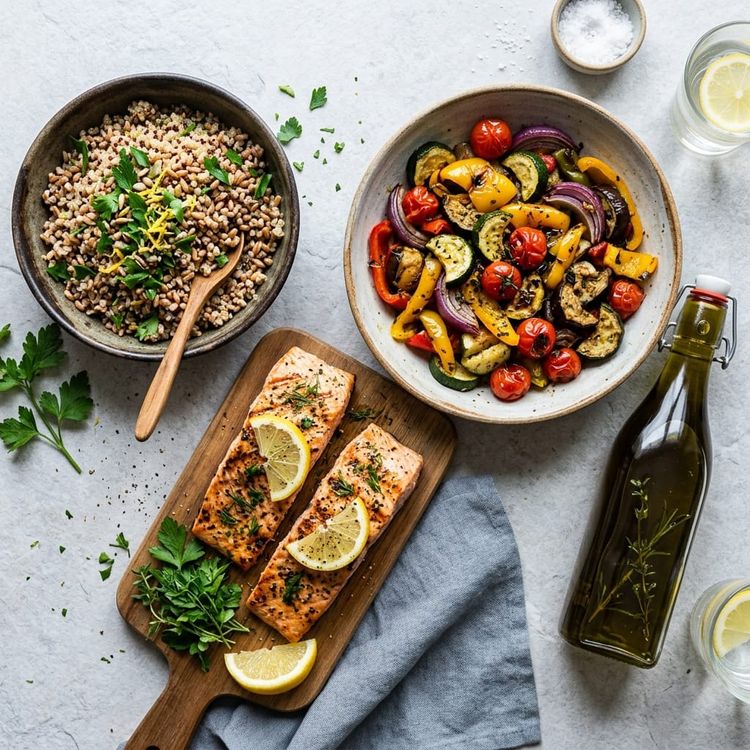
- Fatty Fish: Salmon, sardines, and mackerel 3-5 times a week. (Canned salmon is affordable and works perfectly!).
- Walnuts: The only nut with a significant amount of omega-3s. A small handful daily.
- Chia Seeds: Contains omega-3s AND soluble fiber.
Your Daily Protocol
You aren't just "eating healthy." You are strategically replacing three specific jobs that estrogen used to do. Give this time. Commit to this protocol for 8 to 12 weeks before retesting your labs.
- Breakfast: A smoothie with 2 tbsp of ground flaxseed, 1 tbsp chia seeds, and berries.
- Lunch: A big salad with ½ cup of chickpeas and a handful of walnuts.
- Dinner: Roasted salmon with a side of edamame.
Need Help Putting This Together?
Changing your diet after menopause can feel overwhelming, especially when the old rules no longer apply. If you need a structured plan to implement these changes, you don't have to figure it out alone.
Download My Daily Mindset Journal Prompts (Take 5 minutes a day to reframe your internal narrative and build unshakable confidence in your recovery!)
🛒 Recommended Tools for a Healthy Heart
Disclosure: Some of the links below are affiliate links. This means if you click through and take action, I may receive a small commission (at no extra cost to you). This helps support the free content on this blog.
- High-Quality Clinical Supplements: Access my Fullscript dispensary for practitioner-grade Omega-3s at a discount if you don't eat fish.
- Vitamix 5200 Blender: Perfect for building flavor and blending ground flaxseed and chia seeds into your morning smoothies.
- Oura Ring Gen3: Track your sleep quality and stress recovery to keep inflammation low.
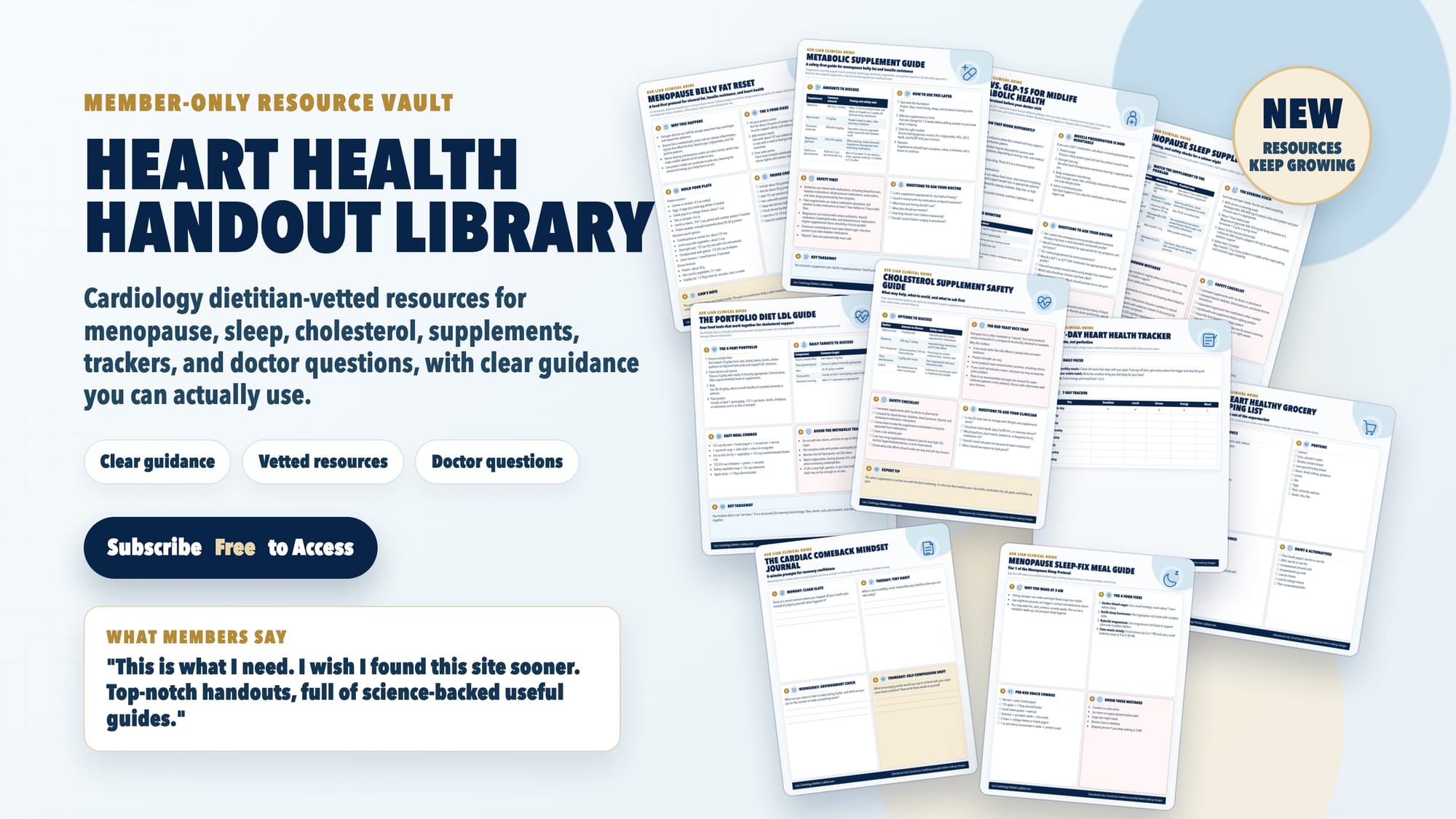
Download Vetted Clinical Handouts & Trackers
Get instant access to a growing library of evidence-based guides, food protocols, and symptom logs vetted by a cardiology dietitian. Access is completely free—simply subscribe to view.
Access Handout Library


Member discussion